Why Thermal Curtains are a Sustainable Solution for Your Home


In this article 4 sections
Rising energy costs and unpredictable weather patterns have made thermal efficiency a top priority for US households. While upgrading windows or HVAC systems can cost thousands, there is a simpler, high-impact solution: Thermal Curtains.
Far from just a decorative choice, high-quality thermal insulated curtains act as a shield for your home’s "weakest links"—your windows. By trapping air and preventing heat transfer, they offer an immediate return on investment. If you are looking to lower your utility bills and stabilize your indoor temperature, this guide covers everything you need to know.
Why Your Home Needs Thermal Curtains in Winter

Heating a home is expensive, and windows are responsible for a significant portion of heat loss—often up to 25-30% of residential heating energy usage. Even with double-paned glass, the surface of a window is much colder than your walls, creating a convection current that cools your room and forces your heater to work overtime.
This is where insulated curtains act as a game changer. A proper thermal curtain creates a dead-air space between the fabric and the glass, which acts as a powerful insulator. Whether you use gas, electric, or a fireplace, keeping that heat inside means you pay less to generate it.
For maximum efficiency, especially in the colder Northern US climates, multi-layer curtains are essential. Thermal insulated blackout curtains with up to 4 layers of fabric can stop drafts dead in their tracks. Don't stop at windows—installing these over drafty doorways or sliding glass doors can further seal your home against the cold.
Do Thermal Curtains Work in the Summer?

Absolutely. Thermal curtains are a year-round solution. In the summer, the problem reverses: you are fighting solar gain. When direct sunlight hits your windows, your home acts like a greenhouse, raising internal temperatures and forcing your AC unit to run constantly.
By closing thermal drapes during the hottest parts of the day, you reflect sunlight and block the transfer of radiant heat into your rooms. This "cool-keeping" effect can significantly reduce the load on your air conditioning system.
Choosing the Right Lining: The Science of Insulation

Not all curtains are created equal. The effectiveness of a thermal curtain depends entirely on its construction and lining. To make the best choice for your home, you need to understand the difference between coated linings and woven fabrics.
1. Coated Acrylic Suede (The "Blackout" Standard)
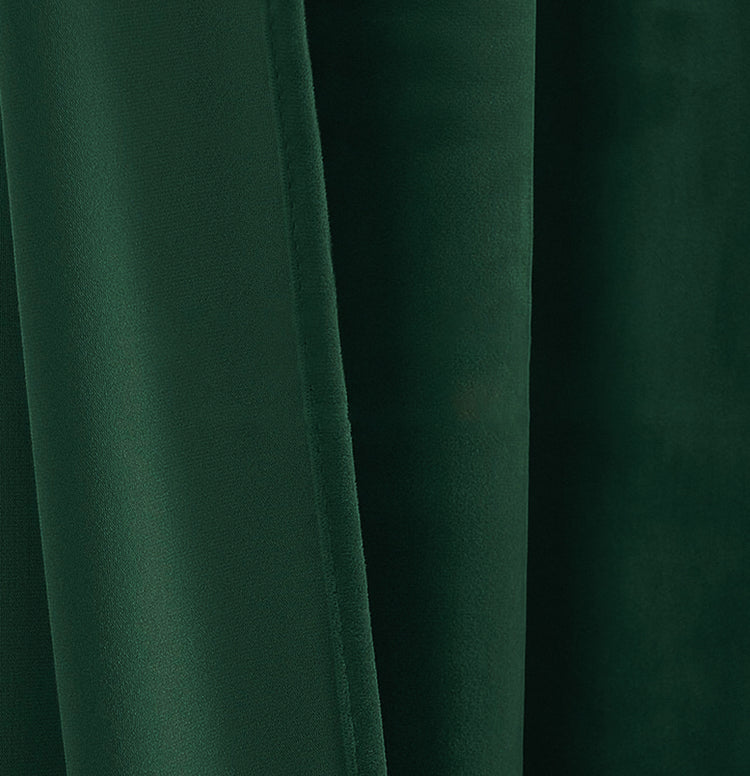
This is the most common high-performance option. The fabric is coated with layers of high-density foam or acrylic suede.
- 3-Pass Lining: Consists of three layers of coating. It provides 100% blackout capabilities and excellent thermal insulation because the coating seals the fabric pores, preventing air flow.
- Pros: Maximum privacy, maximum light blocking, high thermal retention.
- Cons: Can attract dust if not maintained; fabric can feel stiffer.

 100% Blackout
 Better sleep
 Noise Reducing
 Energy Saving
2. Silicone-Coated (The Modern Upgrade)
Silicone-lined curtains represent the new generation of insulation. Instead of standard acrylic, the fabric is backed with layers of non-toxic silicone.
- Why it wins: Silicone is naturally water-repellent and does not hold dust the way suede or flocking does. It is easier to wipe clean and provides a solid thermal barrier against both heat and cold.
- Best for: Allergy sufferers and homes in humid climates.
3. Triple Weave (The "Dimout" Option)
Also known as "Dimout weave," this construction weaves a black yarn between two colored yarns.
- The Reality: While triple weave drapes beautifully and is machine washable, it is less thermally efficient than coated options. Because it is a woven fabric without a solid backing, air can still pass through it.
- Best for: Rooms where you want 80-90% light blocking and a softer look, but don't require heavy-duty insulation.
How to Maintain Your Curtains for Longevity

True sustainability means buying high-quality products that last. Thermal curtains are an investment. To ensure they perform for years:
- Check the Care Label: Coated curtains often require dry cleaning or gentle hand washing to prevent the backing from peeling. Silicone and Triple Weave options are generally more durable.
- Vacuum Regularly: Use a soft brush attachment to remove dust buildup, which can degrade fabric fibers over time.
- Sun Rotation: If possible, swap curtains between sunny and shady windows annually to prevent uneven fading from UV exposure.