How to Get Custom Curtains on a Budget Without Looking Cheap


In this article 7 sections
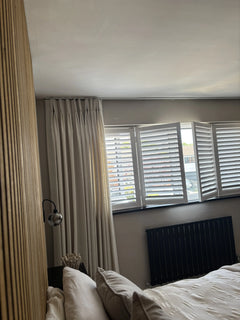
Custom curtains do not have to mean designer-only pricing. The key is knowing where your money matters most: accurate measurements, the right fabric, a suitable header style, the correct lining, and enough fullness for the window.
Ready-made curtains can work for simple windows, but they often create hidden costs when the length is wrong, the panels look flat, or the fabric does not solve the room's real problem. A well-planned custom order can be a smarter use of budget because the curtain is made for your window from the start.
This guide explains how to choose custom curtains on a budget without making the room look unfinished, underdressed, or overly complicated.
Why affordable custom curtains can make sense

Many shoppers assume custom curtains are only for high-end renovation projects. That can be true with local workrooms, complex drapery construction, or premium designer fabrics. But online made-to-measure curtains have made custom sizing more accessible for everyday bedrooms, living rooms, dining rooms, and home offices.
The value comes from precision. With custom curtains, you can choose the finished width, length, header style, fabric, and lining instead of trying to force standard panels to fit a non-standard room.
That matters because inexpensive curtains usually look inexpensive for a few predictable reasons:
- the length is slightly too short or too long
- the panel width is too narrow for the window
- the fabric hangs flat without enough body
- the header style does not fit the room
- the curtain does not solve the room's real light, privacy, or insulation need
Custom does not mean every detail needs to be expensive. It means the details should be chosen in the right order.

 Kid-friendly
 OEKO-TEX® Certified
 Durable
 Low maintenance
How to keep custom curtain costs down
Getting custom curtains on a budget is not about choosing the cheapest version of everything. It is about spending on the details that change the final look and saving on the details that do not matter as much for your room.
1. Measure carefully before comparing prices
Accurate measurements are the most important budget decision because they help you avoid reorders, returns, and panels that almost fit.
Before choosing fabric, confirm where the rod or track will sit, how wide the finished curtain coverage should be, and where you want the hem to fall. A curtain that is the right color but the wrong size will still look unfinished.
Start with the TheHues curtain measurement guide before you configure the order. Measure width and height more than once, especially for older homes, wide windows, sliding doors, or floor-to-ceiling curtains.
2. Choose fabric based on the room, not the highest price

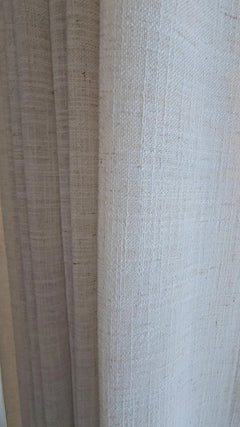
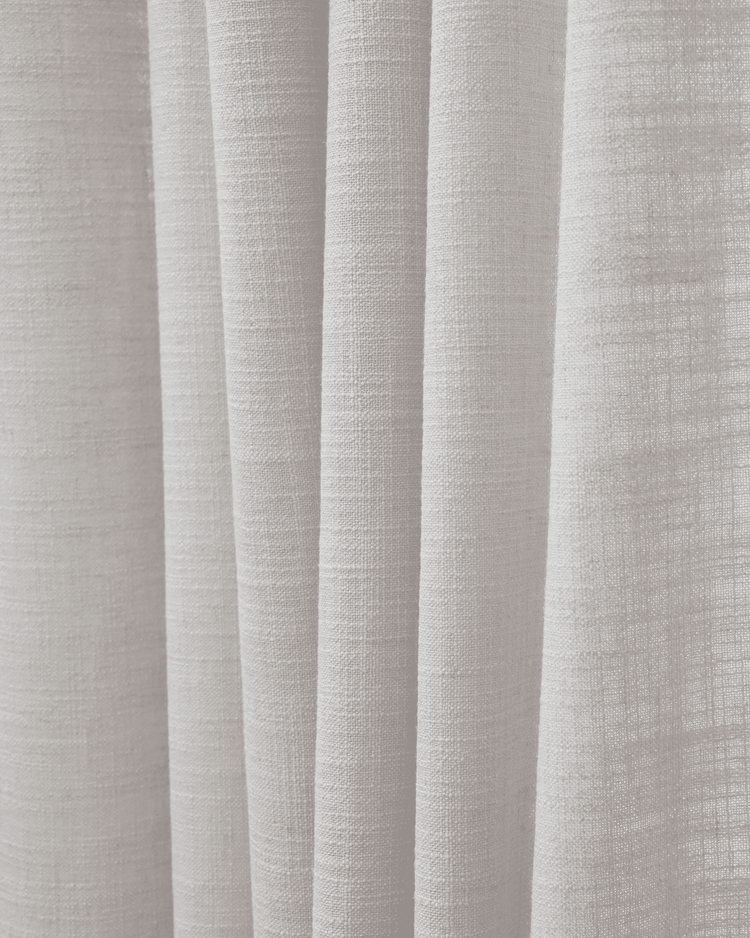
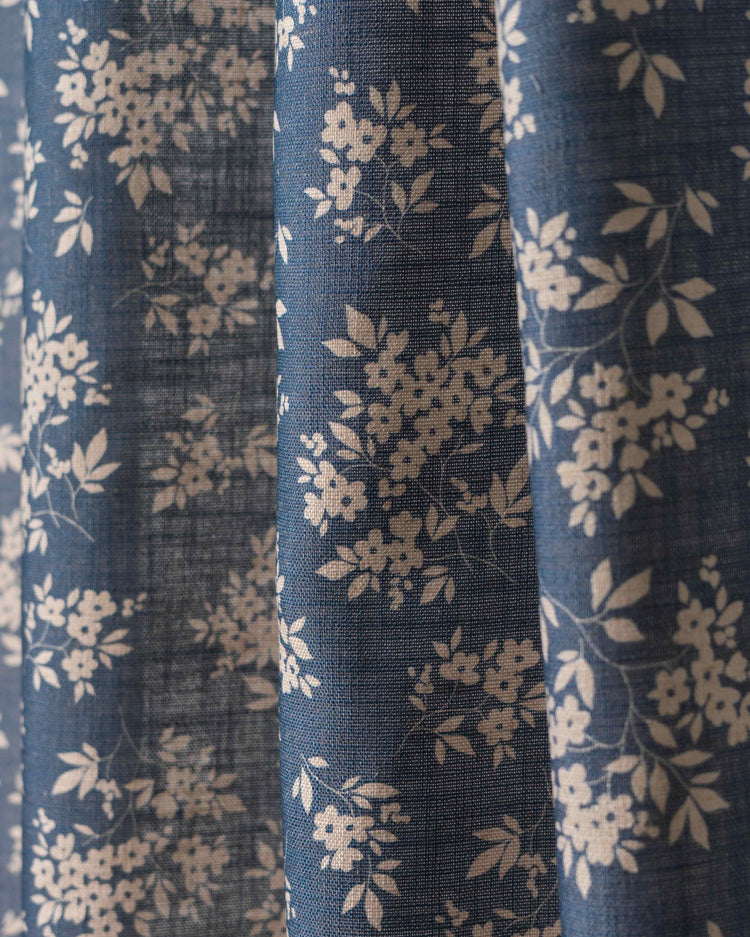
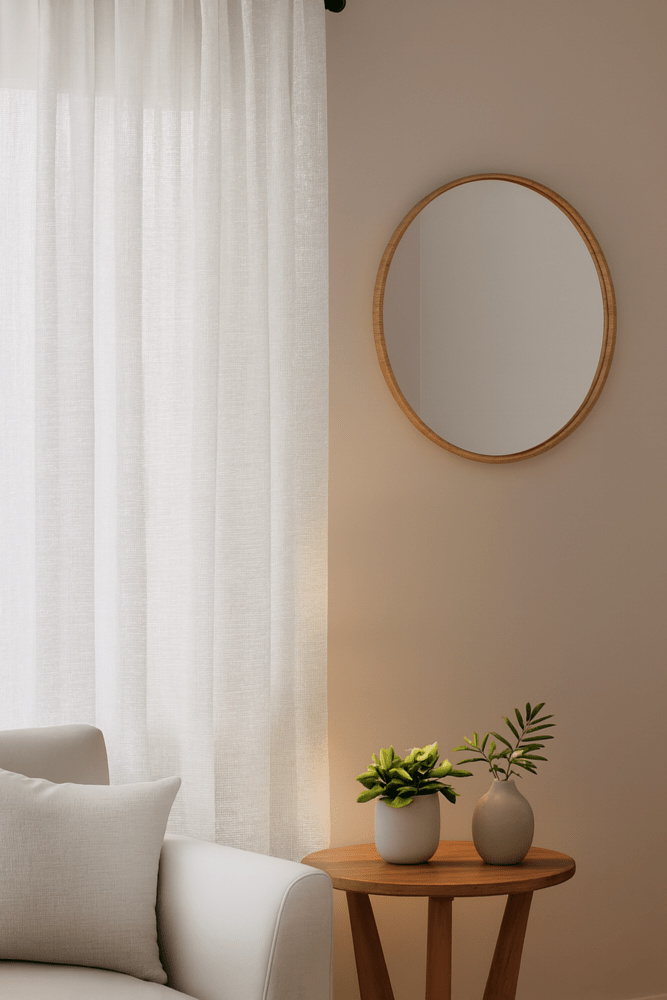
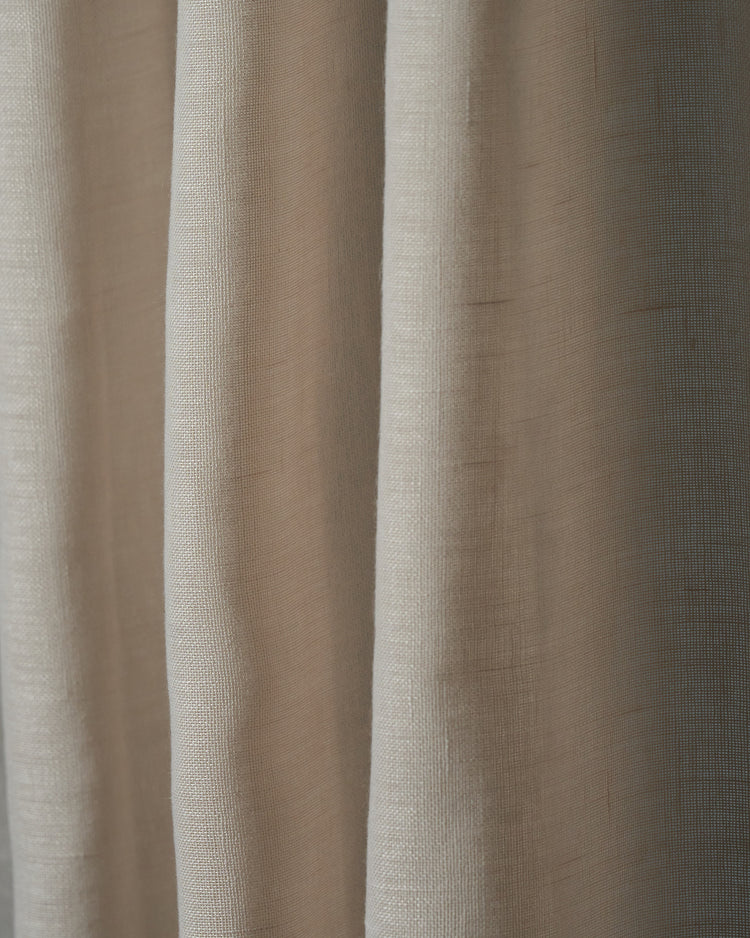
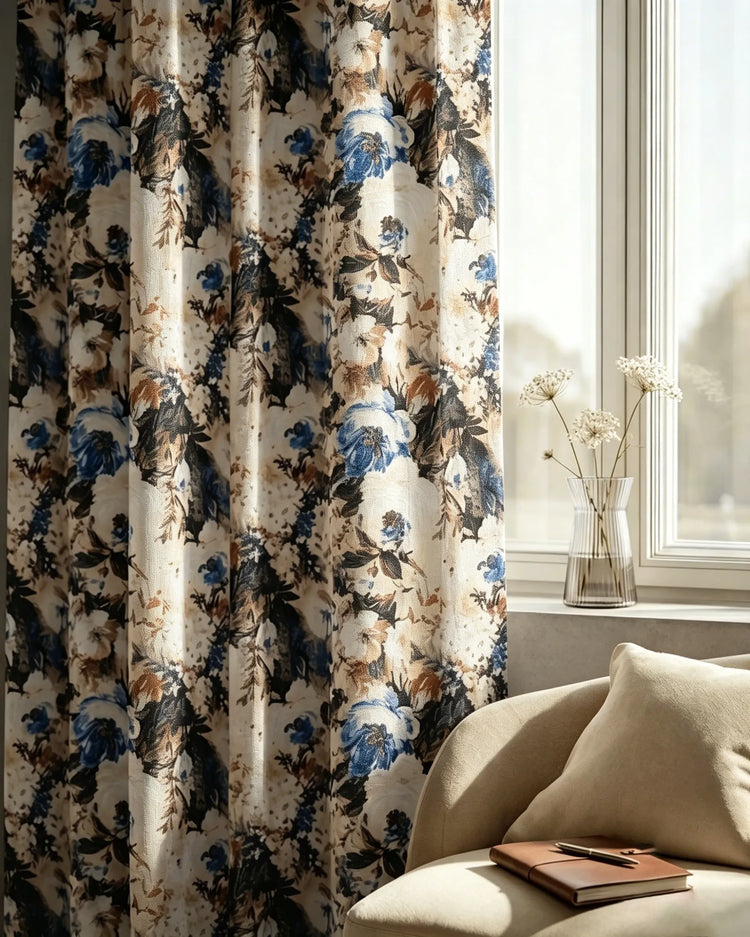
Fabric is one of the biggest price drivers, but the most expensive fabric is not always the best choice. A simple neutral fabric with good texture often looks more polished than a bold fabric that fights the rest of the room.
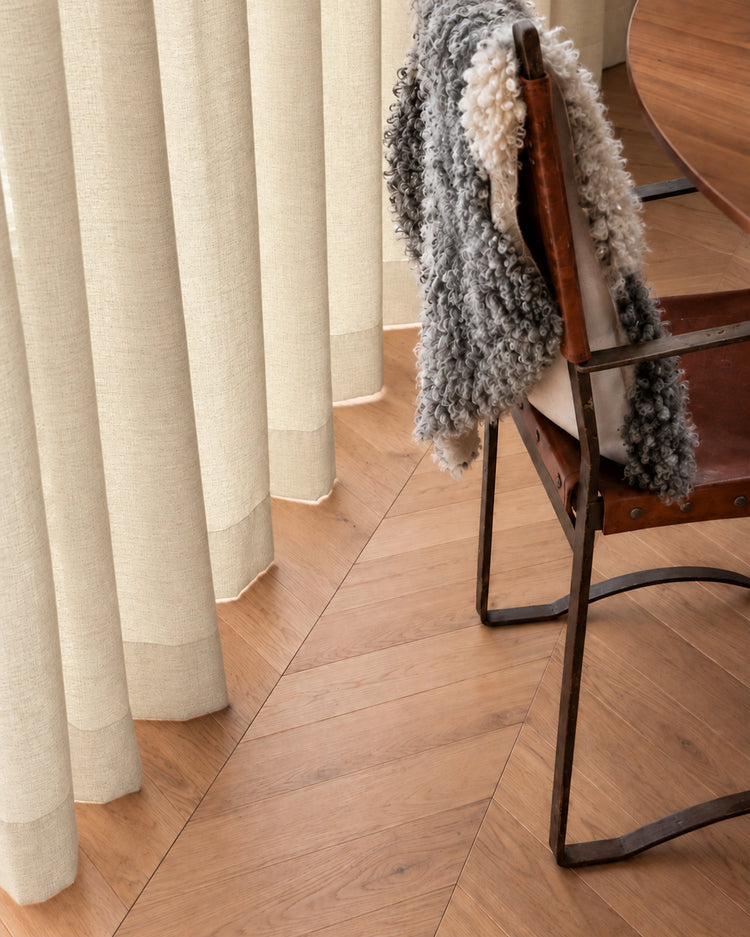
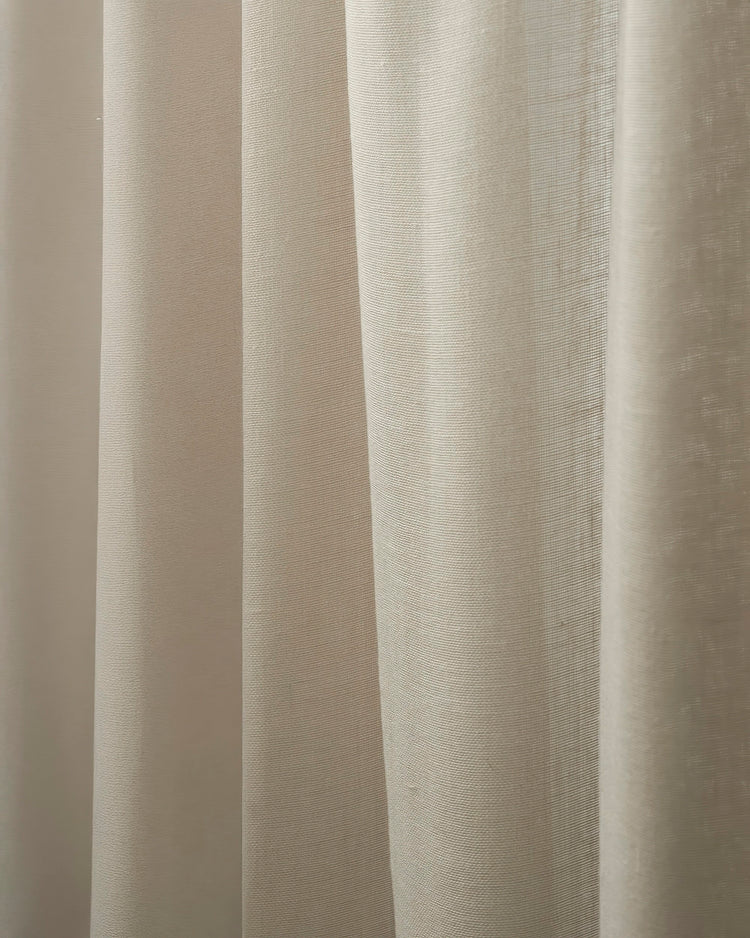
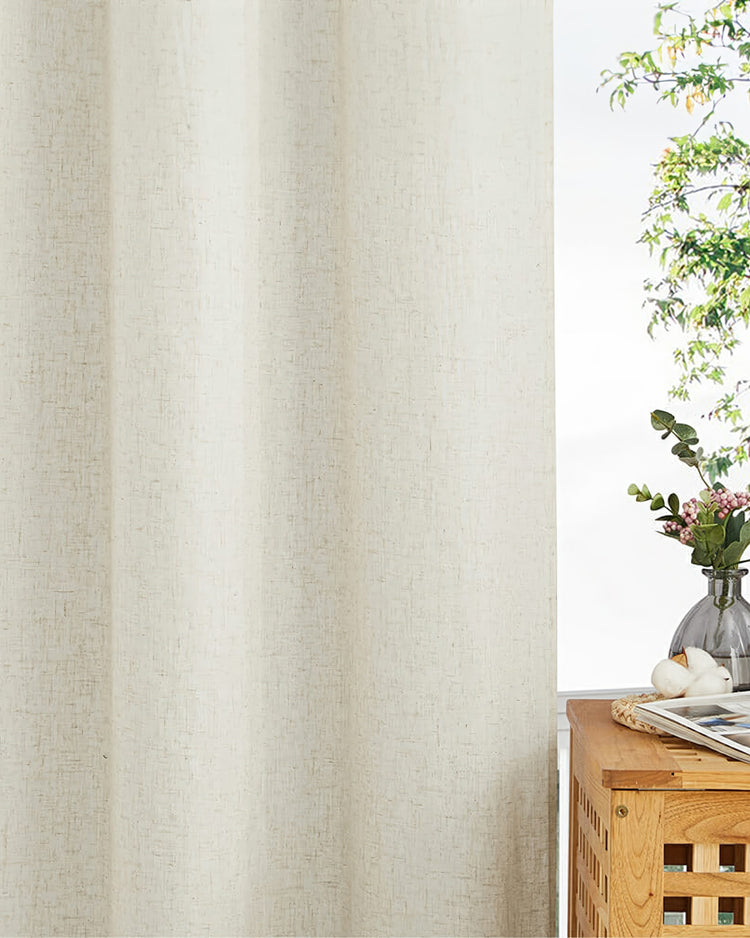
For many homes, linen-look fabrics, soft neutrals, warm grays, taupes, ivories, and muted colors are budget-friendly because they are easy to use across different rooms and decorating styles. They also reduce the risk of getting tired of the curtain color later.
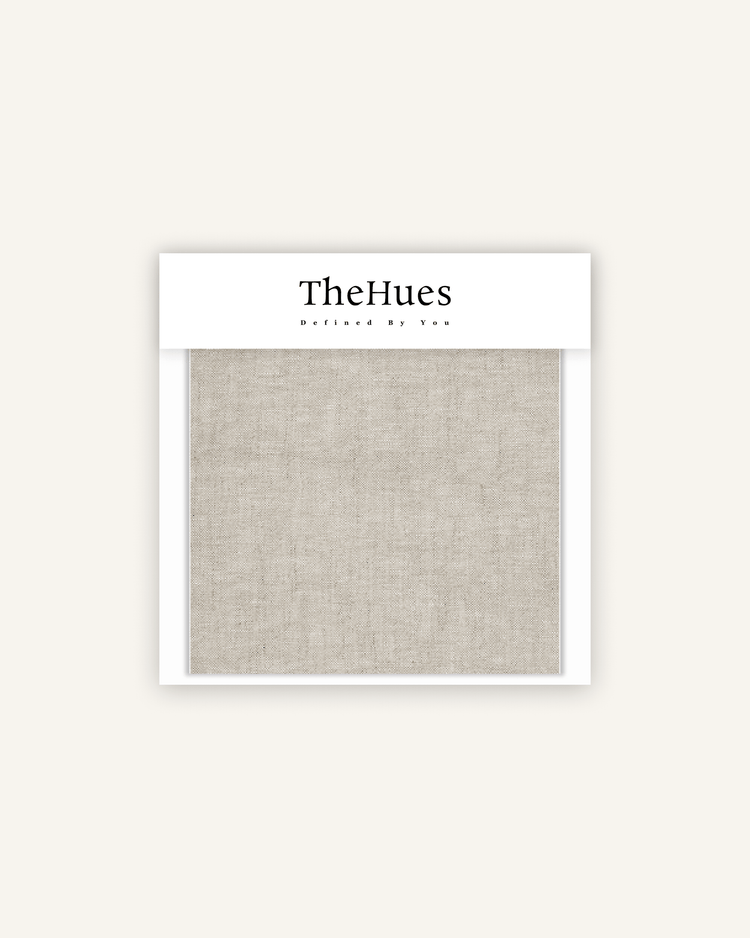
If you are unsure about color or texture, order curtain swatches first. Hold them near the wall, trim, flooring, sofa, or bedding in the room where the curtains will hang. Check them in daylight and evening light before placing a custom order.

 Textured wave
 Relaxed Drape
 Breathable comfort
 Timeless design
3. Use lining where it actually matters
Lining can improve privacy, light control, drape, and comfort near windows. But not every room needs the same liner.
- Living rooms and dining rooms: light-filtering or privacy lining may be enough if you want softness and daytime privacy.
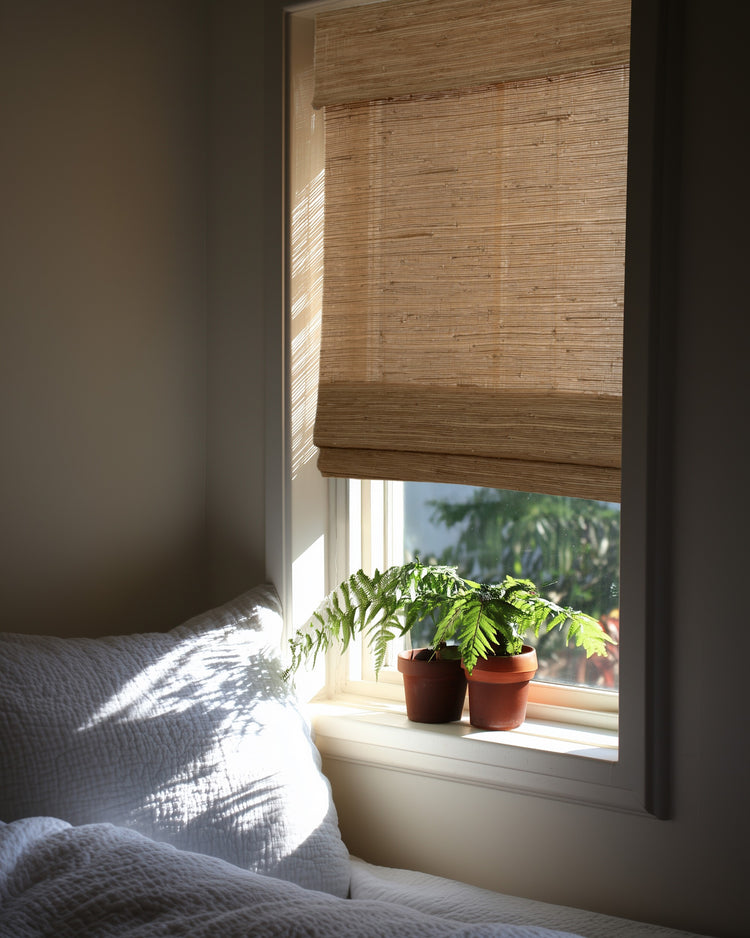
- Bedrooms and nurseries: blackout lining may be worth prioritizing if sleep, streetlights, or early morning sun are the main problem.
- Drafty or sunny rooms: thermal lining can help improve comfort when the curtains are closed, though results depend on the window and installation.
- Decorative layers: unlined or lighter panels may work when the curtain is mainly for texture and softness.
Review the TheHues curtain liner guide before choosing. The right liner can make a moderate fabric perform better, while the wrong liner can add cost or visual weight the room does not need.
4. Pick a header style that fits your budget and room
Header style changes both the look and the cost of custom curtains. It also affects how the curtains move when you open and close them.
| Header style | Best for | Budget note |
|---|---|---|
| Rod pocket | Soft, simple, casual rooms | Usually a lower-cost option, but not the smoothest for daily movement |
| Back tab | Clean, relaxed, tailored looks | A good balance of style and value for many rooms |
| Grommet | Modern rooms and curtains opened often | Easy to operate, but the visible rings create a more casual look |
| Pleated styles | More tailored or formal rooms | Often worth considering when you want one detail to elevate the whole window |
If you are not sure which top style fits your room, compare options in the TheHues curtain header guide. A simpler header can save money in a casual room, while a more tailored header may be worth it in a living room, dining room, or primary bedroom.
5. Do not under-order width just to save money
Too little fullness is one of the fastest ways to make curtains look cheap. A panel can technically cover the glass and still look flat, stretched, or under-scaled.
For most windows, you want enough fabric for the curtain to keep soft folds when closed. The exact amount depends on header style, fabric weight, and the look you want. Instead of guessing, check the product guidance and confirm whether the width you enter means finished panel width or total coverage width.
If you are deciding between one panel and two, think about operation and proportion. One panel can work for narrow windows or one-sided openings. Two panels usually look more balanced on standard windows, wide windows, and sliding doors.
6. Spend on hardware that can support the curtain
Hardware is not the place to be careless. A thin rod, weak brackets, or poor mounting placement can make even good curtains look unfinished.
Choose hardware that suits the curtain weight and the width of the span. Wider windows may need center support. Heavier blackout or thermal curtains may need stronger brackets and better anchoring. If you rent, confirm what you are allowed to install before ordering heavy custom panels.
Rod placement matters too. Mounting higher and wider than the window frame often makes the window look larger and gives the panels better stack-back space when open.
7. Use preview tools before ordering

When you are working within a budget, you want fewer guesses. A fabric may look good on its own but feel too dark, too formal, or too heavy once it is shown across a full window.
Use the TheHues visualization tool to compare fabric, header style, and panel layout before checkout. If the room is hard to judge from swatches alone, the free design service can give you a second opinion before you place the order.
Where to save and where to spend
A good budget plan separates visual impact from nice-to-have upgrades.
| Decision | Where to save | Where to spend |
|---|---|---|
| Fabric | Choose simple solids, neutral colors, or linen-look textures. | Spend more only when the fabric is the main design feature. |
| Lining | Use lighter lining in rooms that only need softness or modest privacy. | Prioritize blackout or thermal lining when the room truly needs performance. |
| Header | Use rod pocket, back tab, or grommet for relaxed rooms. | Choose pleats when you want a more tailored designer look. |
| Hardware | Keep the finish simple and versatile. | Spend on proper strength, brackets, and support for the curtain weight. |
| Measurement | Do it yourself carefully with a reliable guide. | Spend time double-checking every number before ordering. |
Common mistakes that make budget curtains look cheaper
Choosing the lowest price before checking the fit
A low price does not help if the curtain length is wrong, the width is too narrow, or the panel does not work with the hardware you have. Start with the finished look and room function first, then compare price.
Skipping swatches
Online photos can shift color, texture, and opacity. Swatches are especially important for neutrals because warm ivory, cool white, beige, taupe, and greige can look very different once they are next to your wall color.
Using the same liner in every room
Bedrooms, living rooms, home offices, and nurseries do not need the same curtain performance. Use blackout where it matters and lighter options where you only need privacy or softness.
Ignoring stack-back
Even a well-measured curtain can feel wrong if it blocks too much glass when open. For wide windows and sliding doors, make sure the rod or track gives the panels enough room to clear the window.
Buying too little fullness
Flat curtains rarely look custom. If budget is tight, it is usually better to choose a simpler fabric with proper fullness than a more expensive fabric that is under-scaled for the window.
Budget-friendly custom curtain checklist
- Define the room goal. Decide whether you need privacy, blackout, thermal comfort, glare control, or mostly style.
- Measure the full setup. Confirm rod height, rod width, finished curtain length, and panel coverage.
- Order swatches. Test two to four strong fabric options in the actual room.
- Choose the liner by room. Do not pay for blackout or thermal features where you do not need them.
- Pick the header style. Balance cost, room style, and daily operation.
- Confirm fullness and panel count. Make sure the curtains will look soft when closed and practical when open.
- Preview before checkout. Use visualization or design support to catch mistakes before the order is placed.
FAQ: custom curtains on a budget
Are custom curtains worth it if I am on a budget?
They can be worth it when fit matters. Custom curtains are especially useful for tall ceilings, wide windows, sliding doors, bedrooms that need better coverage, or rooms where ready-made lengths never look quite right.
What is the best way to save money on custom curtains?
Start with accurate measurements, choose a versatile fabric, use the liner level the room actually needs, and avoid overcomplicating the header style. The goal is not the cheapest curtain. It is the best result for the money.
Should I choose blackout lining for every room?
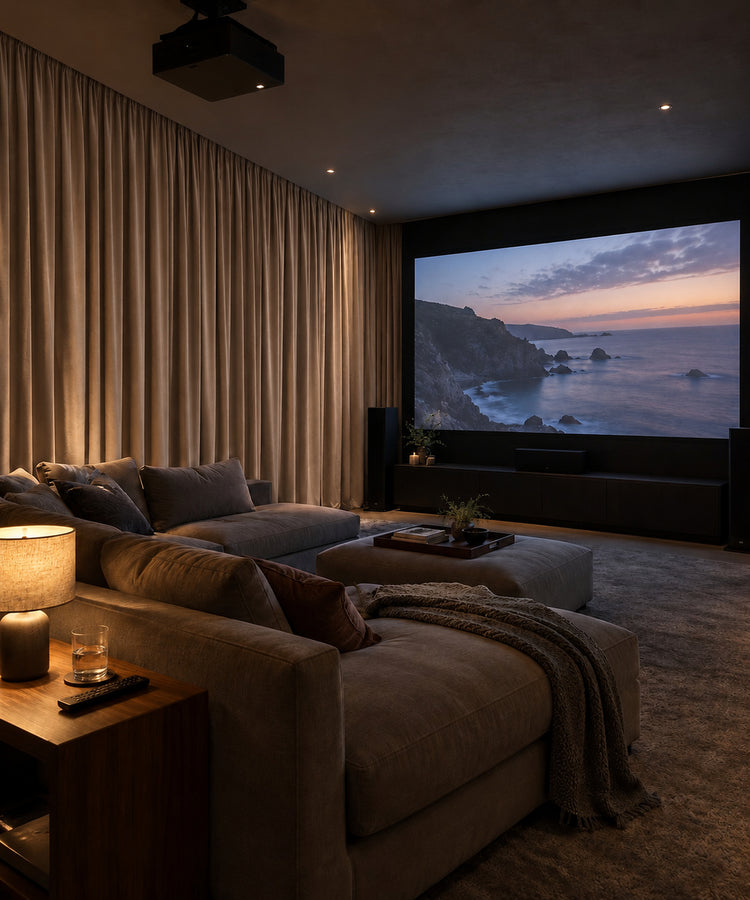
No. Blackout lining is useful for bedrooms, nurseries, media rooms, and strong glare situations. For living rooms, dining rooms, or spaces where you want natural light, a lighter liner may be a better fit.
What curtain color looks more expensive on a budget?
Solid neutrals usually look the most polished for the least risk. Ivory, warm white, taupe, soft gray, greige, and natural linen tones are easy to use and less likely to clash with furniture or wall colors.
Can ready-made curtains still be a good choice?
Yes. Ready-made curtains can work for simple windows, short-term rooms, or spaces where the standard sizes happen to fit well. Custom makes more sense when the window size, length, lining, or finished look needs more precision.
Final takeaway
Custom curtains on a budget come down to smart priorities. Measure carefully, choose a fabric that fits the room, use lining where it matters, pick a header style that suits the space, and do not skimp on the width needed for a full drape.
You do not need the most expensive fabric to get a polished result. You need the right curtain for the window. Start with the measurement guide, compare swatches, and use TheHues design tools before placing your custom order.