Fade resistant outdoor curtains: what actually holds up in sun


In this article 7 sections
Outdoor curtains can make a patio, porch, balcony, or pergola feel more private and finished. But if the fabric fades quickly, even a well-designed setup can start to look tired after one strong season of sun.
When shoppers look for fade resistant outdoor curtains, the real question is not just “What color should I choose?” It is “What fabric, exposure level, and installation style will hold up best in my space?” A curtain that works well on a covered porch may not perform the same way on an open west-facing pergola.
This guide explains what fade resistance really means, which outdoor curtain materials usually perform better in sun, how waterproof claims differ from UV performance, and how to choose a setup that fits your patio instead of guessing from product photos alone.
If you already know you need side privacy, shade, or a softer outdoor room feel, start by comparing outdoor curtains designed for patio and pergola use.

What fade resistant outdoor curtains are usually made of
The best fade resistant outdoor curtains usually start with outdoor-rated synthetic fabrics. The strongest options often include solution-dyed acrylic and solution-dyed olefin or polypropylene. Better outdoor polyester can also work well in protected spaces, but it may not be the longest-lasting choice for harsh direct sun.
The phrase “fade resistant” can mean different things from one product page to another. One fabric may hold color well on a shaded porch. Another may lose richness quickly on an uncovered pergola that gets hours of afternoon sun. That is why material, color, and exposure should be reviewed together.
Solution-dyed acrylic for strong sun exposure
Solution-dyed acrylic is often treated as a premium outdoor fabric choice because the color is built into the fiber instead of sitting mainly on the surface. That does not make the fabric fade-proof, but it usually gives it stronger color stability in repeated sun exposure.
This type of material is especially worth considering when your patio or pergola gets strong afternoon sun, limited overhead cover, or frequent seasonal use. If your outdoor curtains will be part of the space for most of the year, this is usually the fabric category to compare first.

Olefin for a practical balance of performance and value
Olefin, also called polypropylene, can be a smart middle ground. It is commonly used outdoors because it dries quickly, handles moisture well, and can offer good color performance when the fabric is made for outdoor use.
Olefin may be a strong fit for covered porches, screened patios, semi-covered decks, or side panels that get some sun but not all-day exposure. For many homes, this gives a useful balance between durability, look, and budget.
Outdoor polyester for covered or lighter-exposure spaces
Polyester is common in outdoor curtains because it is affordable, widely available, and easy to style. In a covered porch, shaded balcony, or lower-exposure patio, a well-made outdoor polyester can be a reasonable choice.
The caution is that not all polyester performs the same. If the product page only says “outdoor” or “weather resistant” without explaining UV performance, fabric construction, or care, treat it as a milder-exposure option rather than assuming it can handle harsh sun.
Why cotton and canvas-heavy fabrics need more caution
Natural-looking fabrics can be beautiful outdoors, but cotton-rich or canvas-heavy materials are often harder to maintain in damp or high-sun spaces unless they are specifically engineered for outdoor use. They may hold moisture longer, dry more slowly, and show wear sooner in rain, mildew pressure, or strong UV exposure.
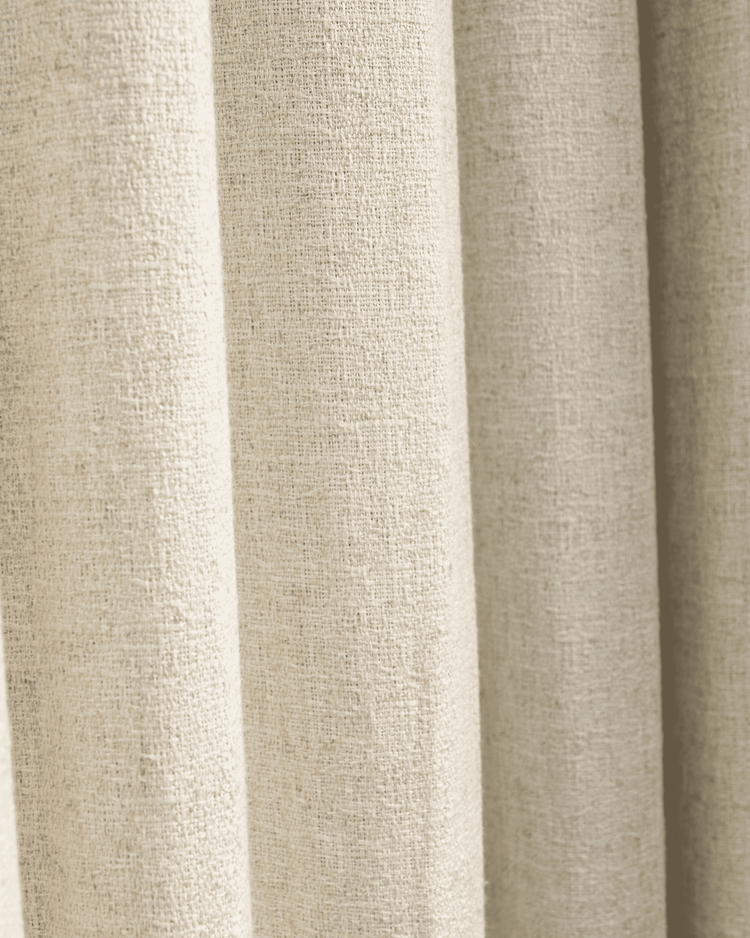
If you like a softer textured look, choose an outdoor-rated synthetic fabric with a natural woven appearance instead of using indoor fabric outside.

 Kid-friendly
 OEKO-TEX® Certified
 Durable
 Low maintenance
Outdoor curtain material comparison
| Material | Fade resistance | Water handling | Best fit |
|---|---|---|---|
| Solution-dyed acrylic | Usually strongest | Strong | Harsh sun, exposed pergolas, premium outdoor setups |
| Solution-dyed olefin | Very good | Strong | Covered or semi-exposed patios, practical long-term use |
| Outdoor polyester | Moderate to good, depending on construction | Good | Covered porches, seasonal use, lower-exposure spaces |
| Cotton or canvas-heavy blends | Usually weaker in direct sun | Varies | Decorative or occasional use, not heavy exposure |
If you are still comparing basic fabric categories, TheHues' guide on how to choose outdoor curtains can help you review privacy, fabric, weather, and installation details together.

Why some outdoor curtains still fade
A curtain can be labeled outdoor, waterproof, or weather resistant and still fade faster than expected. Those claims describe different types of performance. For sun-heavy spaces, UV and color stability matter just as much as water handling.
Waterproof does not mean fade proof
Water resistance and fade resistance are not the same thing. A waterproof or water-resistant curtain may help rain bead up or dry faster, but that does not automatically mean the color will stay rich in direct sun.
- Water resistance helps with rain, splashes, and moisture.
- Fade resistance helps the color hold up under UV exposure.
- Mildew resistance helps the fabric handle damp conditions.
- Wind control helps reduce stress on the fabric and hardware.
The best outdoor curtain choice balances all four. If a product page focuses only on waterproof language, check whether it also explains sun exposure, outdoor fabric construction, or color performance.
Dark colors can show fading sooner
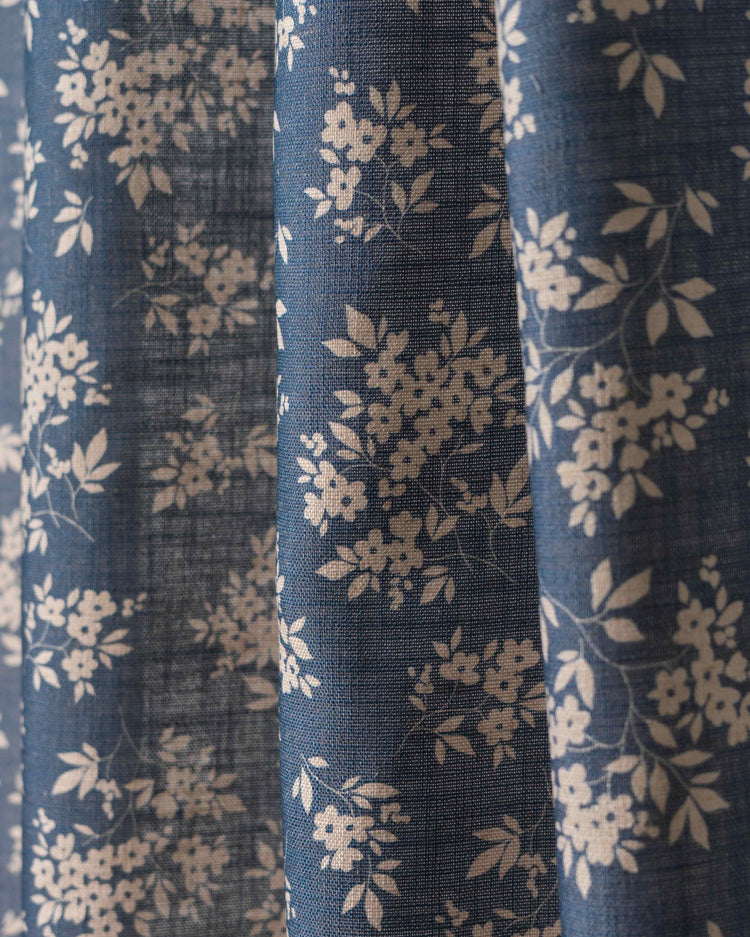
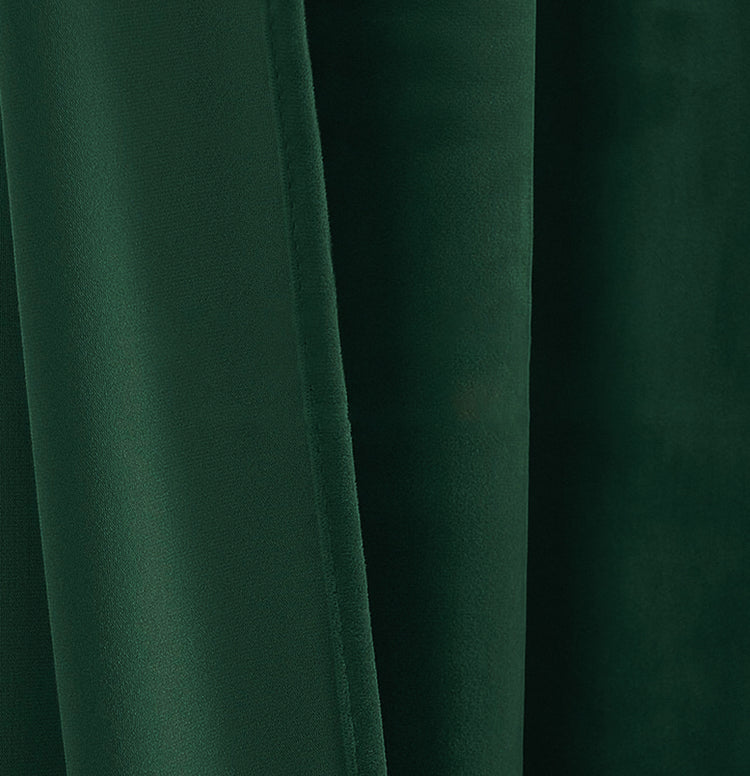
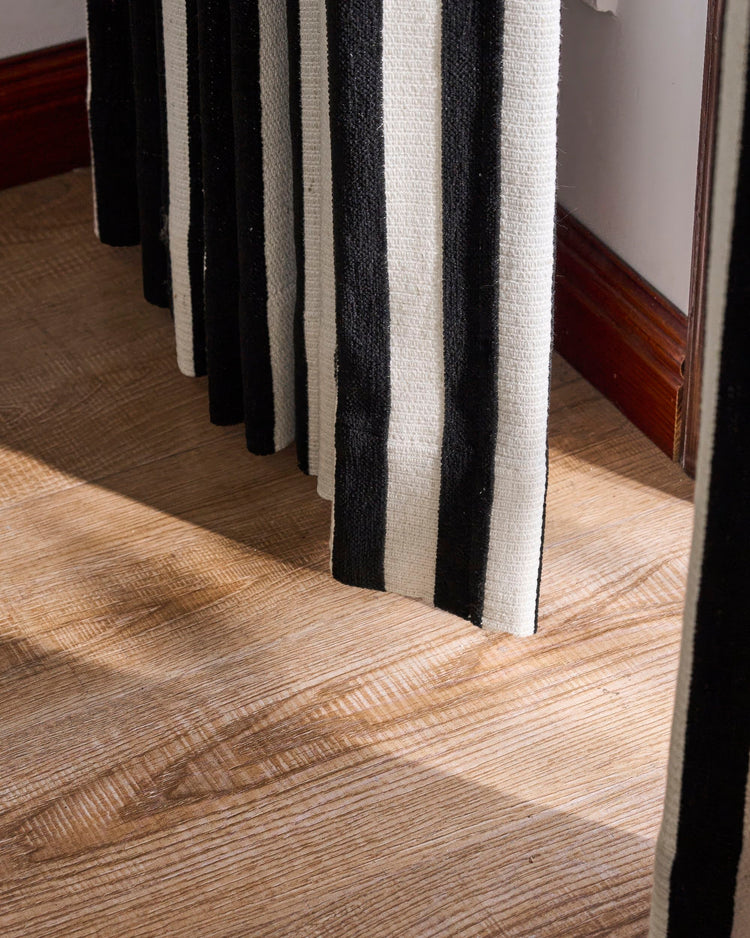
Deep navy, charcoal, black, forest green, and other saturated colors can look beautiful outdoors. They also tend to show fading more clearly in strong sun than lighter neutrals and mid-tones.
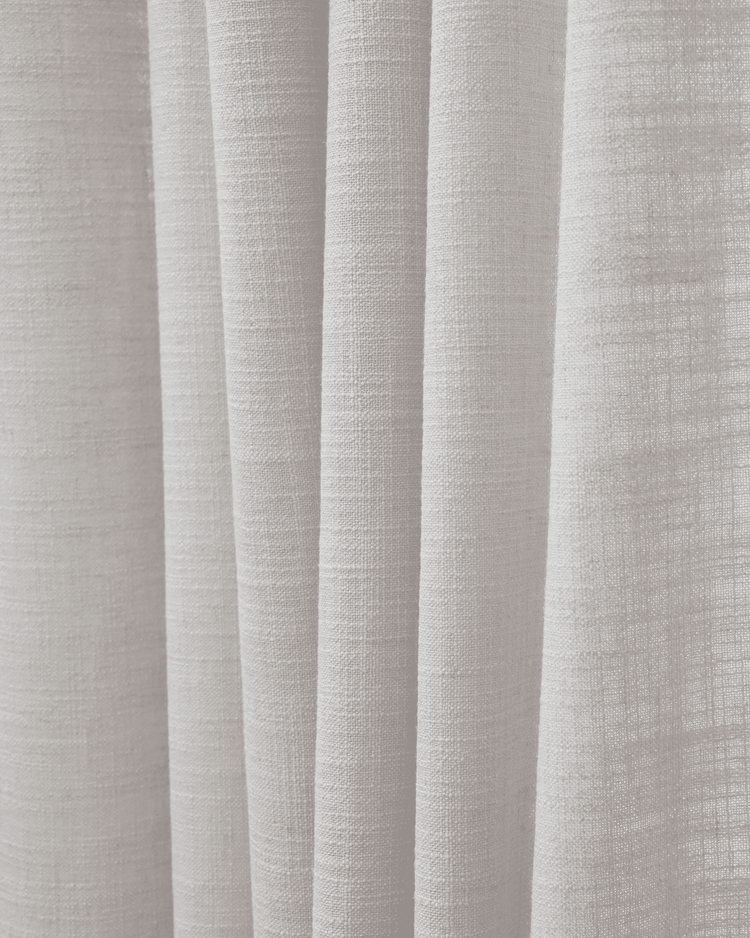
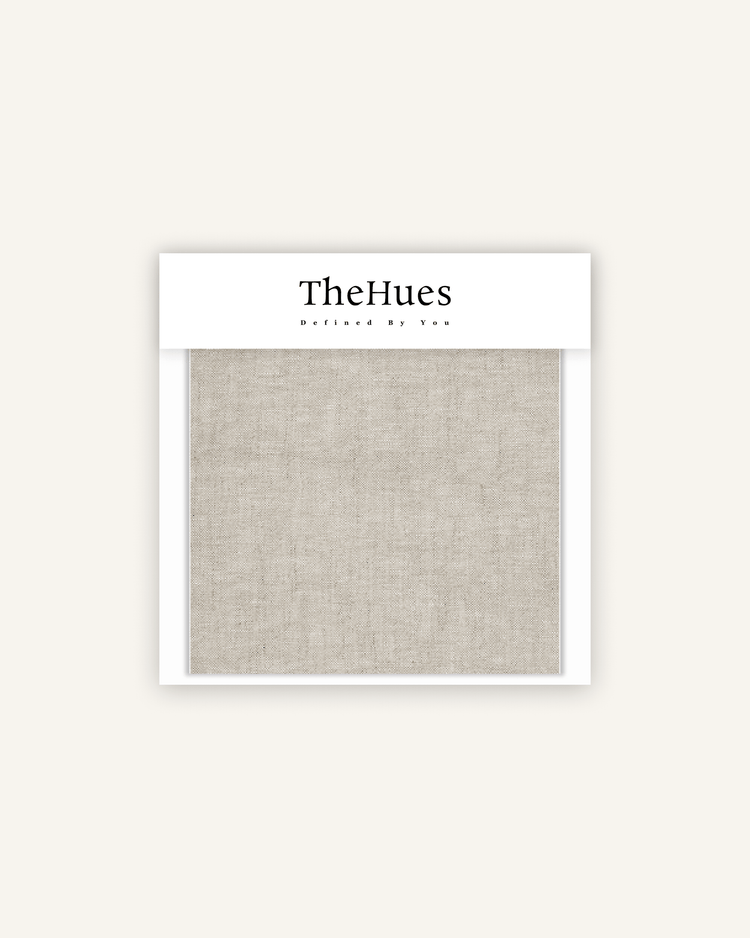
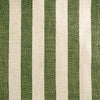
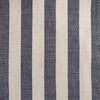
That does not mean you should avoid dark outdoor curtains. It means you should be more careful when the space gets hard afternoon sun. If you want a bold shade, order fabric samples and look at them in the actual outdoor light before choosing the final color. The curtain swatches collection is a helpful starting point when color accuracy matters.

Exposure pattern changes the result
A covered porch, a shaded balcony, and an open pergola are not equal conditions. This is why one homeowner may say their outdoor curtains lasted for years while another sees fading much sooner.
If your curtains get several hours of direct sun, regular wind, and rain exposure, choose a stronger fabric and a practical color. If your curtains sit under a deep overhang with mostly filtered light, you may have more flexibility with material and color.
How to choose fade resistant outdoor curtains
To choose outdoor curtains that hold up better, start with the conditions of the space before you think about color. A pretty fabric is only the right choice if it fits the sun, wind, moisture, and privacy needs of the area.
1. Start with sun exposure
Ask these questions first:
- How many hours of direct sun will the curtains get each day?
- Is the space covered, semi-covered, or fully exposed?
- Is the sunlight mostly morning light or stronger afternoon sun?
- Will the curtains stay up year-round or only seasonally?
For harsh sun and full exposure, start with higher-performance outdoor fabrics and consider lighter or mid-tone colors. For covered porches, you can usually compare a wider range of outdoor-rated options.
2. Separate privacy, shade, and weather needs
Outdoor curtains are often expected to do several jobs at once. They can help with side privacy, filtered light, glare, and a softer outdoor room feel. But they are not always the best tool for overhead heat or rain control.
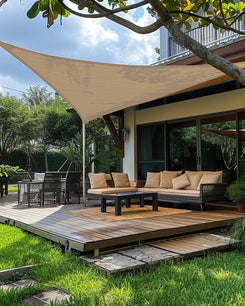
If the sun is coming from the side, outdoor curtains can work well. If the heat is mostly coming from above, a sun shade sail may be a better starting point, or it may work alongside curtains for a more complete setup.
3. Choose a color that fits the exposure
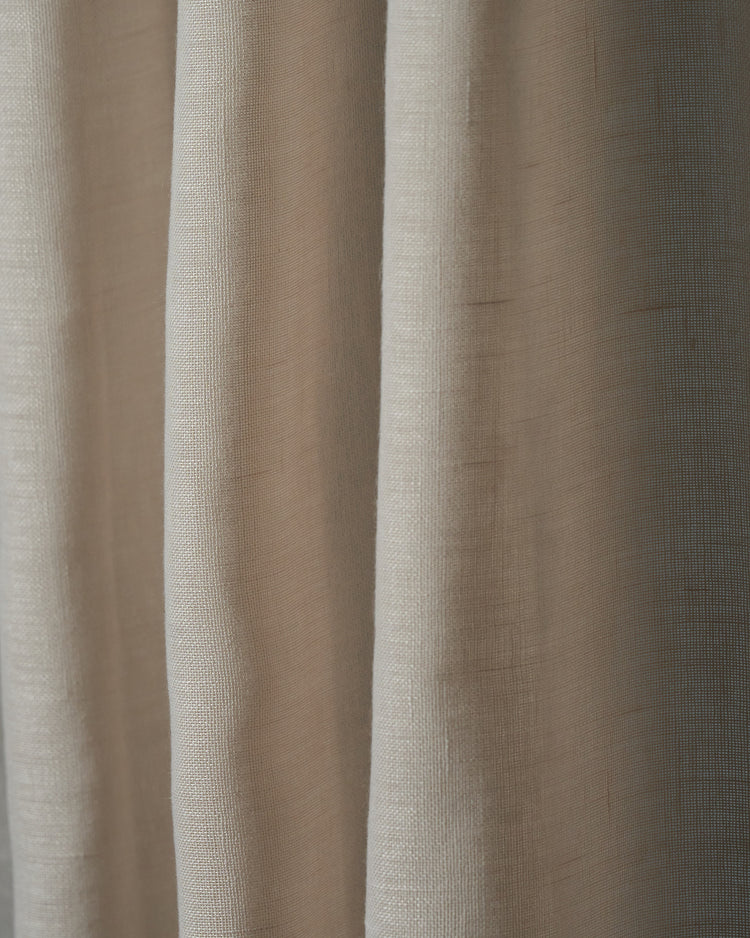
For exposed patios and pergolas, lighter neutrals, warm taupes, soft grays, sand tones, and muted greens are often easier to live with over time. They may still change with use, but the aging is usually less obvious than with very dark or highly saturated colors.
If you prefer a dramatic color, use it where the structure gives the fabric some protection, or choose a stronger fabric category that is better suited for long-term sun exposure.
4. Measure for a cleaner fit
Outdoor curtains that drag, bunch, or pull too tightly can wear faster. Good sizing helps the fabric hang better, move more naturally, and avoid unnecessary stress on the hardware.
Before ordering, measure the full opening, the intended finished drop, the mounting height, and the space where the panels will stack when open. The curtain measurement guide can help you avoid panels that look right online but fit poorly outdoors.
5. Plan wind control before installation
Wind can shorten the life of outdoor curtains if the panels whip, twist, or strain against the hardware every day. Use tiebacks, side anchors, bottom weights, or removable holdbacks when appropriate for your structure.
Do not force a heavy panel onto weak hardware. If you are renting or using a no-drill setup, confirm the weight and span limits before choosing the fabric.

Best outdoor curtain setups by space
The right fabric depends on where the curtains will hang. Use the space itself as your filter.
Pergola curtains in strong afternoon sun
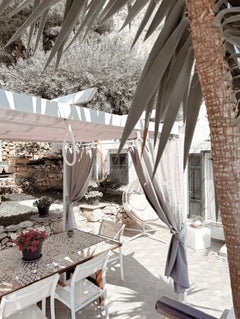
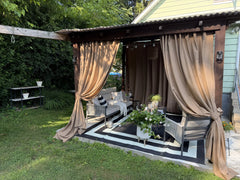
Pergolas are one of the toughest outdoor curtain locations because they often get direct sun, open airflow, and more fabric movement. For a west-facing or fully exposed pergola, start with stronger outdoor-rated fabric, avoid overly dark colors unless the fabric is built for it, and plan a way to secure the panels in wind.
Covered porch curtains
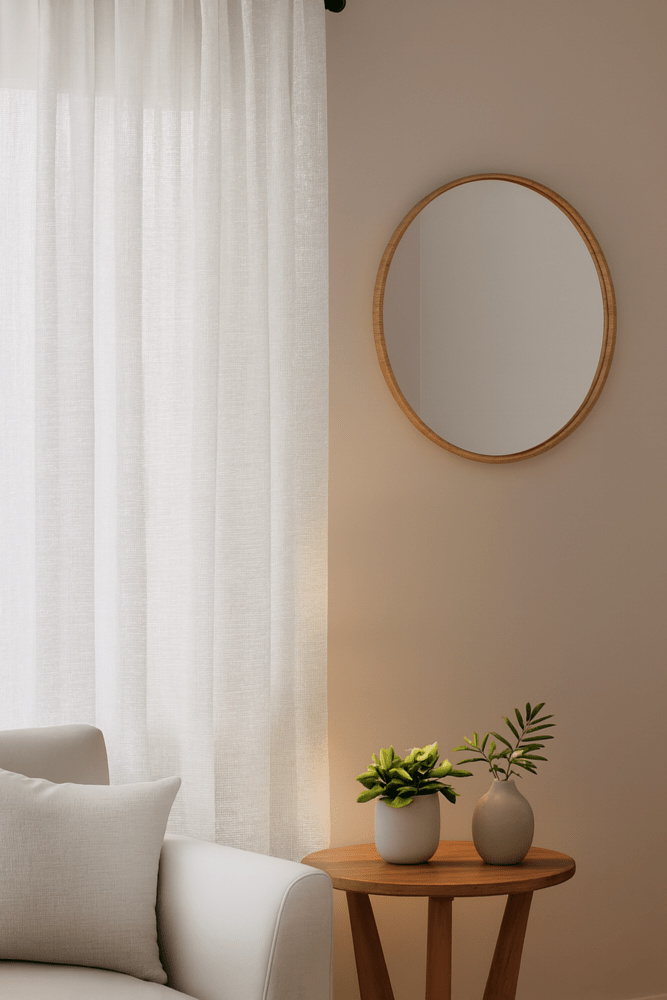
Covered porches usually give you more flexibility. Because the roof or overhang reduces sun and rain exposure, you can often compare olefin, outdoor polyester, and softer-looking textured options. This is a good setup for privacy, filtered light, and a more room-like outdoor feel.
Balcony or apartment patio curtains
Balcony curtains need a careful balance of privacy, wind management, and renter-friendly hardware. Choose lighter, outdoor-rated panels if the mounting system has weight limits. For narrow balconies, avoid excessive fullness that may bunch or blow around.
Poolside or splash-prone curtains
Near pools, hoses, or wet surfaces, drying speed and easy care matter more. Look for outdoor fabrics that handle moisture well, keep hems clear of puddles, and use tiebacks so the curtains do not drag across wet flooring.
Quick buying checklist
Before buying fade resistant outdoor curtains, review this checklist:
- Confirm the space is covered, semi-covered, or fully exposed.
- Choose an outdoor-rated fabric, not an indoor fabric used outside.
- Check whether the fabric is solution-dyed or otherwise built for UV exposure.
- Do not rely on waterproof claims as proof of fade resistance.
- Choose lighter or mid-tone colors for the harshest sun.
- Order swatches if you are choosing a dark, saturated, or hard-to-match color.
- Measure the opening, finished drop, and stack-back space carefully.
- Plan tiebacks, bottom weights, or side control if the space gets wind.
If you want help narrowing fabric, color, or panel layout, use the visualization tool or send your space to the free design service before placing a custom order.
FAQ
What fabric is best for fade resistant outdoor curtains?
Solution-dyed acrylic is usually one of the strongest choices for long-term fade resistance in harsh sun. Solution-dyed olefin can also be a strong practical option. Outdoor polyester can work well in covered or lower-exposure spaces, depending on its construction.
Are waterproof outdoor curtains also fade resistant?
Not always. Waterproof or water-resistant curtains are designed to handle moisture, while fade resistance is about how well the color holds under UV exposure. A good outdoor curtain should address both, but one claim does not automatically prove the other.
Do dark outdoor curtains fade faster?
Dark colors do not always fade faster in every fabric, but they usually show fading more clearly in strong direct sun. If your patio gets harsh afternoon light, lighter neutrals or mid-tone colors are often safer choices.
Can I use indoor curtains outside if the patio is covered?
It is usually better to use outdoor-rated curtains, even on a covered patio. Outdoor fabrics are built to handle more moisture, sun, and temperature changes than most indoor fabrics.
Should I choose outdoor curtains or a shade sail?
Choose outdoor curtains when you need side privacy, filtered light, or a softer enclosed look. Choose a shade sail when the main problem is overhead sun. Some patios use both: a shade sail above and curtains along the sides.
Final takeaway
Fade resistant outdoor curtains are not only about picking a color you like. The best choice depends on fabric construction, sun exposure, moisture, wind, and how the curtains are installed.
For hard sun, start with stronger outdoor-rated materials and be careful with very dark colors. For covered porches and milder exposure, you may have more flexibility. In every case, measure carefully and plan how the curtains will move, stack, and stay secured outdoors.
To build a better setup from the start, compare custom outdoor curtains, review your dimensions with the measurement guide, and use TheHues design support if you want a second opinion before ordering.