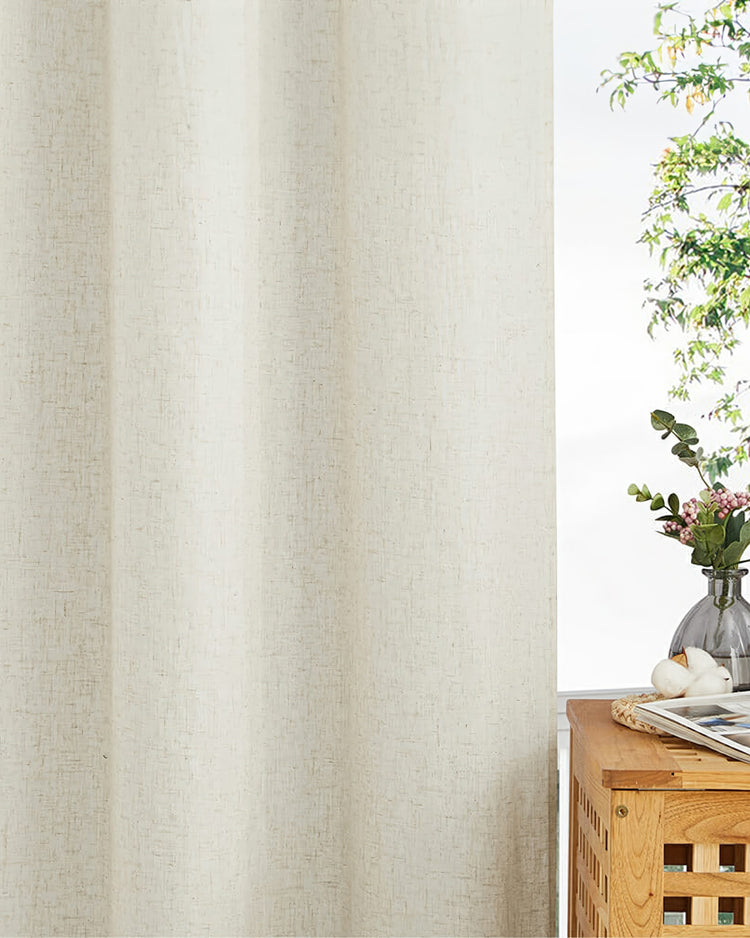
How to Clean Curtains: Your Complete Guide


In this article 8 sections
Washing your curtains does not only involve beauty, but also health, the life of your fabrics and the overall environment of staying healthy and clean at home. Be it in case of fabric drapes, shower curtain, or a plastic liner, how to wash curtains, how to clean a shower curtain and how to clean a shower curtain liner can make the difference.
Key Takeaways: Various types of curtain materials need various cleaning approaches. Washing of fabric curtains and shower linens after every month is used to sustain cleanliness on your house, avoidances of mold, mildew and soap scam, and make your house smell fresh.
Why Cleaning Curtains Matters
Dust is not the only matter that is accumulated in curtains because, as time goes by, they absorb allergens , skin oils, and even a kind of mildew (and this to a greater extent, in the humid bathrooms). When you do not take care of them, curtains can create an unpleasant smell and get an air quality problem. Regular washing of your curtains will ensure your investment is safe, the inside will be healthier, and will make your house smell better.

Whether to wash curtains frequently or not?
The frequency of washing curtains is determined by the type of curtain and its location.
- Fabric window curtains : It is suggested by many sources that deep cleaning needs to be done after every few months, based on whether the curtain is exposed to sunlight, pets, or dust.
- Shower curtain liner : This should be changed more often. Cleaning experts also advise that the inside liners of the materials (vinyl or plastic) should be washed after approximately once a month in order to avoid the growth of moulds and mildew.
- Replace liner : Although shower liners are cleaned on a regular basis, they might require replacement. Other professionals recommend that they be changed after 6-12 months , particularly in wet bathrooms.
How to Wash Fabric Window Curtains
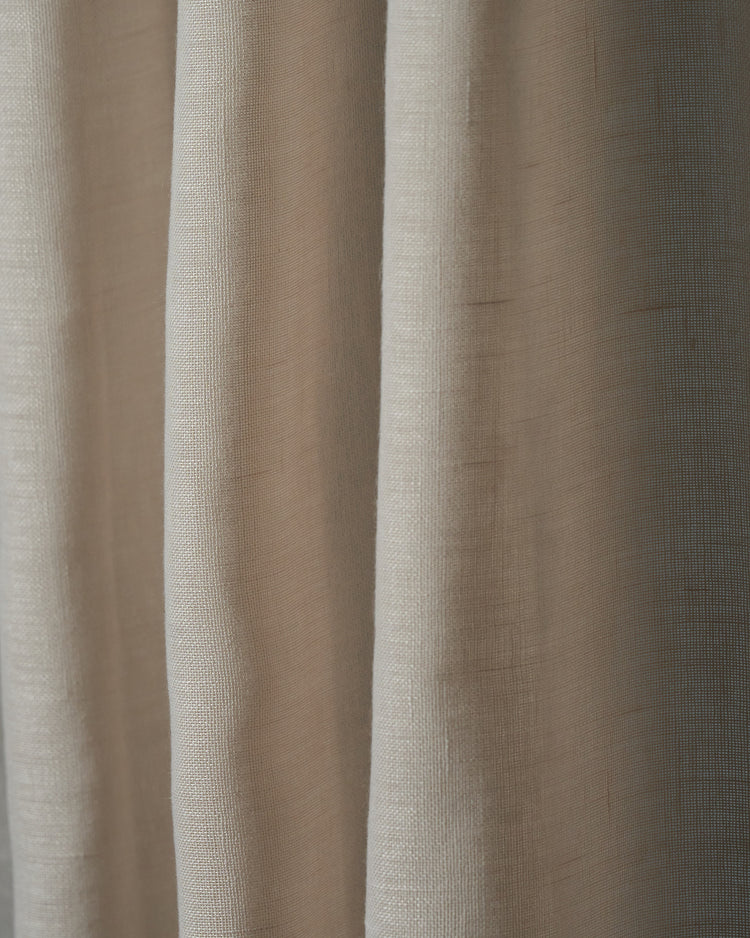
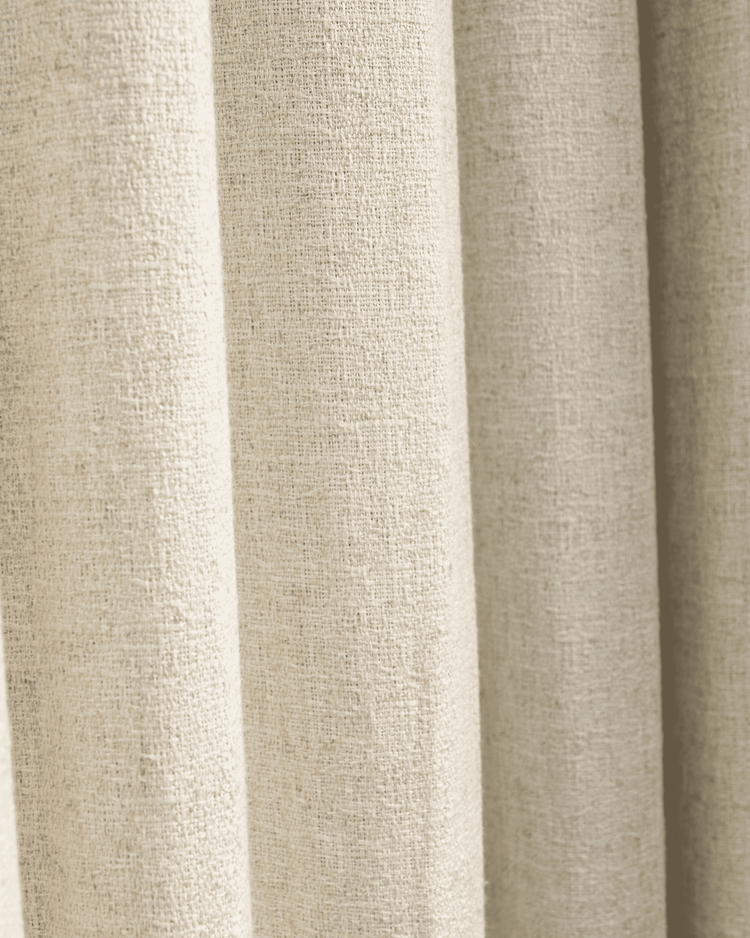
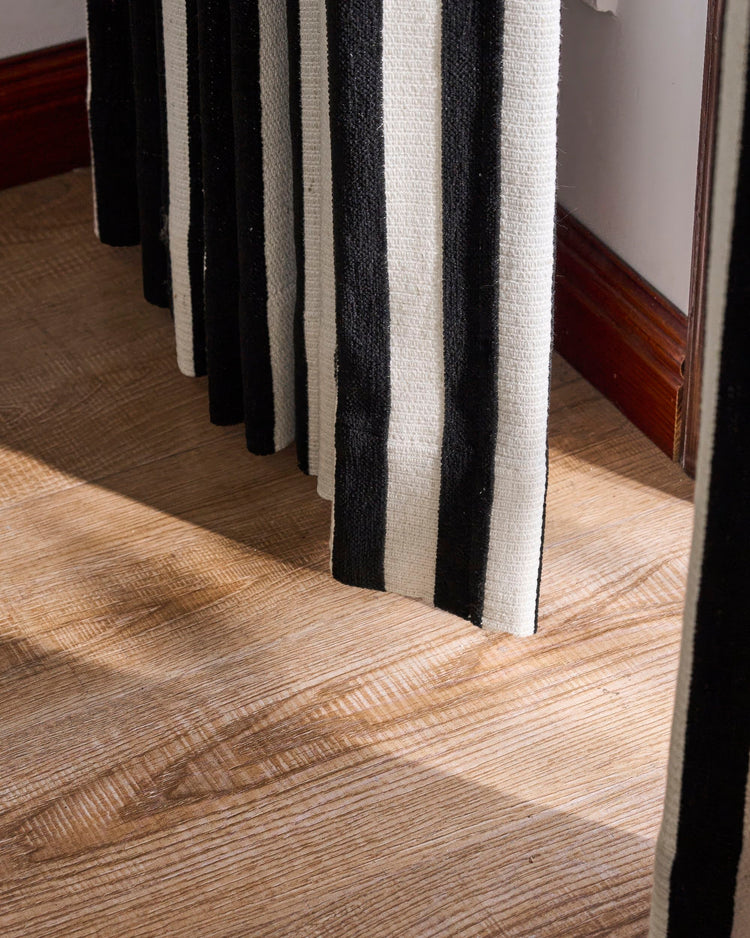
These steps guarantee a cost-effective and safe way of cleaning fabric curtains ( cotton , linen , polyester, etc.):

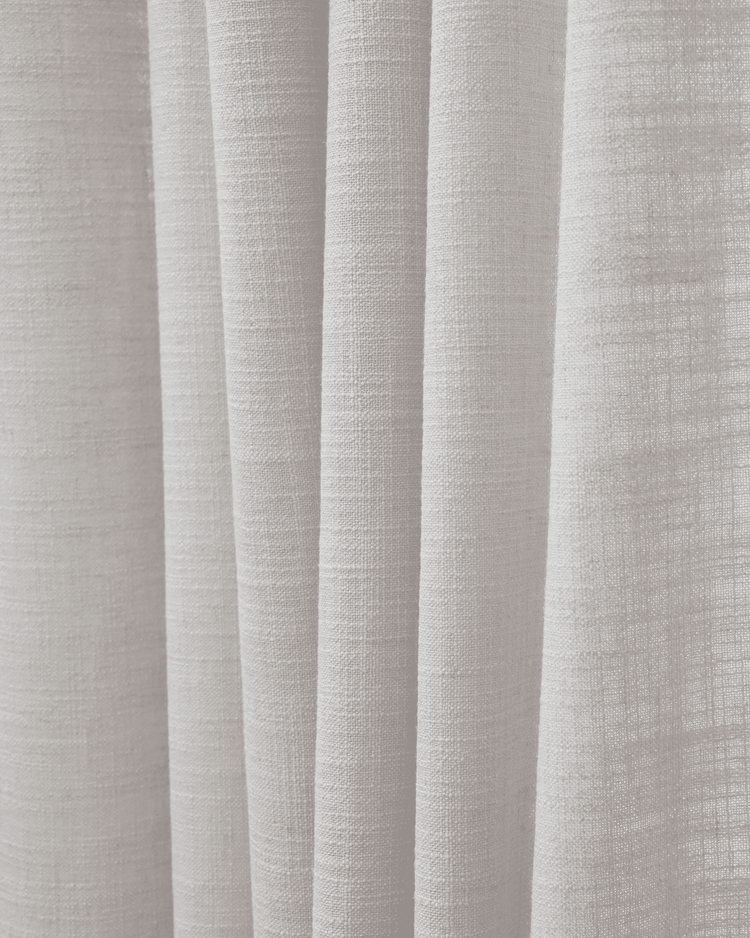
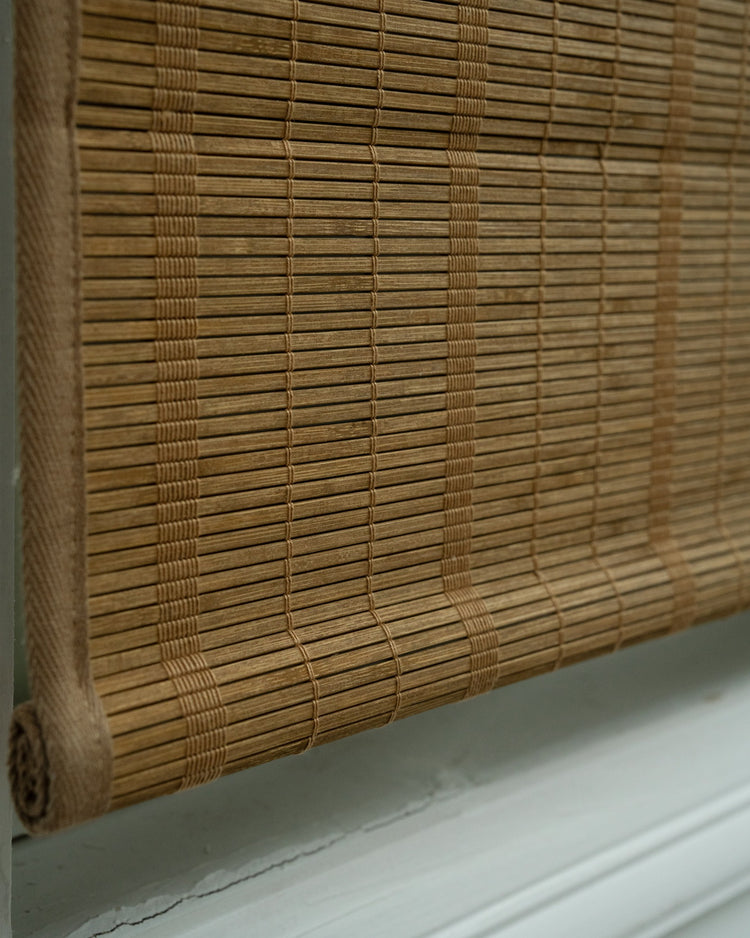
 Plant-based fiber
 Organic hand-feel
 Eco-conscious material
 Timeless elegance
- Check the care label : The first thing to do is to read the instructions on the label the manufacturer will tell you whether to wash them by hand or dry clean them.
- Remove hardware : Take off curtain rings, hooks, or clips so they don’t damage the fabric or your washer.
- Pre-treat stains : A slight detergent, perhaps with a drop of water, should be applied to maintain the spot of any present stains.
- Machine wash : Laundering Enclose the curtains in the washing machine on a small otherwise cool or warm (not hot) circle.
- Add towels : Two clean towels should be added to the wash in case of heavier fabric as this assists in scrubbing the curtains and the chances of damage are reduced.
- Dry properly : Air-dry is best. You may tumble on low depending on effectiveness of fabric or hang you clothes wet so that they fall in a line.
- Iron or steam (if needed) : In case of the wrinkle in the fabric, iron or steam according to the care instructions.

How to Clean a Shower Curtain & Liner
The shower curtains and liners are a challenge, especially because of soap scum, hard water and humidity may build up dirt awfully fast. Here’s how to handle them:
Machine Wash Method
- Take off the liner and curtain of the rod.
- Warm water use, the cycle should be gentle.
- Added detergent (1 cup of white vinegar contained in healthy label) may be helpful in breaking down soap scum.
- Two bath towels -they are scrubbers and efficiently remove impurities on the liner.
- Air-dry the liner after wash. The dryer should not be used on plastic liners.
Hand-Wash Method
In case you are not free to wash machines, follow this hand-wash program:
- Fill a bathtub or large bucket with warm water.
- Add cleaning mix add-ins - 1/4 cup of bleach per gallon water (hard mold) or an environmentally friendly alternative of vinegar + water.
- Wet the liner in 5-15 minutes, then wipe it softly under a soft-bristle brush.
- Rinse completely with clean water.
- Hold off the rod and allow it to dry out.
Preventing Mold & Buildup: Smart Habits
Washing the food is also to assist but prevention is equally important. The following are some of the realistic habits:
- Ventilate : Have the curtain completely open after every shower, and use the bathroom fan (or some of the window) to get everything dry.
- Weekly quick spray : Use a solution of 1 part white vinegar to 4 parts water in a spray bottle. Spray the liner, particularly at the end of the hem or at places prone to get mould.
- Do not mix harsh chemical: It is harmful to mix bleach with vinegar or any other cleaner- it may form harmful fumes.
- Clean and replace: In case of incessant mould, staining or even inabilities to clean your liner, you may purchase a new one. Replacement is suggested every 6-12 months by a number of professionals.

Special Tips for Plastic or PEVA Liners
Plastic liners (PVC, PEVA): they need special treatment:
- Clean with lukewarm water doing hot water may warp or melt the stuff.
- Use mild washes and dry clean, as long as it does not alter the shape and coating.
- Simple green would be the best choice; To maintain it once a week, mild cleaners (either vinegar or non-abrasive spray) and soft sponge/ cloth would be used.
When It’s Time to Change Your Curtains or Liner
Regardless of how good a house is kept, there comes a time when it is time to change:
- Continuous mold or mildew, which reoccurs shortly after the cleaning.
- Weakened or pale garment-clothing or plastic, which fails to get bright on wash.
- A liner whose coating is protective in nature and is warped, cracked, or lost its coating.
- Assuming you rinsed a plastic liner one time a month in a year (or more) and you still do not see it fresh anymore, it is frequently more convenient and healthy to replace it than clean it all the time.
Why It Matters for Your Home
At Thehues , We have been at Thehues and we understand how home is what you make of your way of life- and that is also what makes you feel clean and healthy. It is important to clean your curtains by proper cleaning that does not only keep your space looking clean, but it also helps to preserve the fabrics and avoid the development of mold, especially in places full of moisture such as the bathrooms. These easy actions ensure the loveliness of your curtains and help to create a more healthy living environment to yourself and your family.