Soundproofing vs. Sound Absorption: Curating Your Acoustic Environment


In this article 8 sections
Acoustic panels, heavy curtains, window inserts, and door seals are often discussed together, but they do not all solve the same problem. Some products absorb echo inside a room. Others help block sound from entering or leaving.
If your room still feels noisy after adding soft materials, the issue may not be the product quality. It may be that you are using a sound-absorbing solution when the real problem is sound transmission.
This guide explains the difference between sound absorption and sound blocking, so you can choose the right approach for your home, apartment, studio, or media room.
Sound absorption vs. sound blocking
Start with one simple distinction:
- Sound absorption softens echo and improves the way sound behaves inside a room.
- Sound blocking reduces how much outside noise passes through walls, windows, doors, ceilings, or floors.
Soft materials are good at absorbing reflections. Dense, sealed barriers are better at blocking transmission.

Do you need blocking or tuning?
Before buying anything, listen to the room and identify the problem.
The traffic test: blocking
Sit quietly in the room. If you hear traffic, neighbors, hallway noise, barking dogs, or footsteps from another space, the issue is sound entering the room. That usually calls for better sealing, more mass, or a stronger barrier at the weakest point.
The clap test: tuning
Stand in the room and clap once. If you hear a sharp ring, echo, or hollow sound, the issue is reflection inside the room. That usually calls for soft materials, rugs, upholstered furniture, curtains, or acoustic panels.
In many homes, both issues exist at the same time. A room can have outside noise and echo. The solution is usually a mix of coverage, softness, sealing, and realistic expectations.
What acoustic foam panels actually do
Acoustic foam and soft wall panels are designed to absorb sound reflections inside a room. They can make voices sound clearer, reduce harsh echo, and help a home office, podcast room, or media room feel less hollow.
They are not usually designed to stop traffic noise, neighbor noise, or footsteps from entering the room. Foam is too light and porous to work like a wall, window insert, or dense door seal.

How sound blocking works
Sound blocking usually depends on three things: mass, sealing, and construction. The more serious the noise problem, the more those details matter.
Mass
Heavier, denser materials usually block more airborne sound than thin, lightweight materials. This is why a solid wall blocks more sound than a thin panel, and why dense curtains can perform better than sheer curtains for softening outside noise.
Sealing
Small gaps can reduce performance. Sound can travel through spaces around windows, doors, outlets, and trim. If you can feel air moving through a gap, sound may be using that path too.
Construction
Some sound problems come from the building itself. Low-frequency rumble, footsteps from above, and vibration through walls may need structural solutions, not just soft furnishings.

Non-invasive ways to make a room feel quieter
If you rent or cannot renovate, you still have options. They may not create a fully soundproof room, but they can make the space more comfortable.
1. Improve the window area
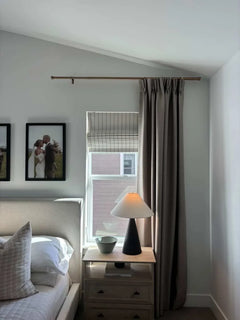
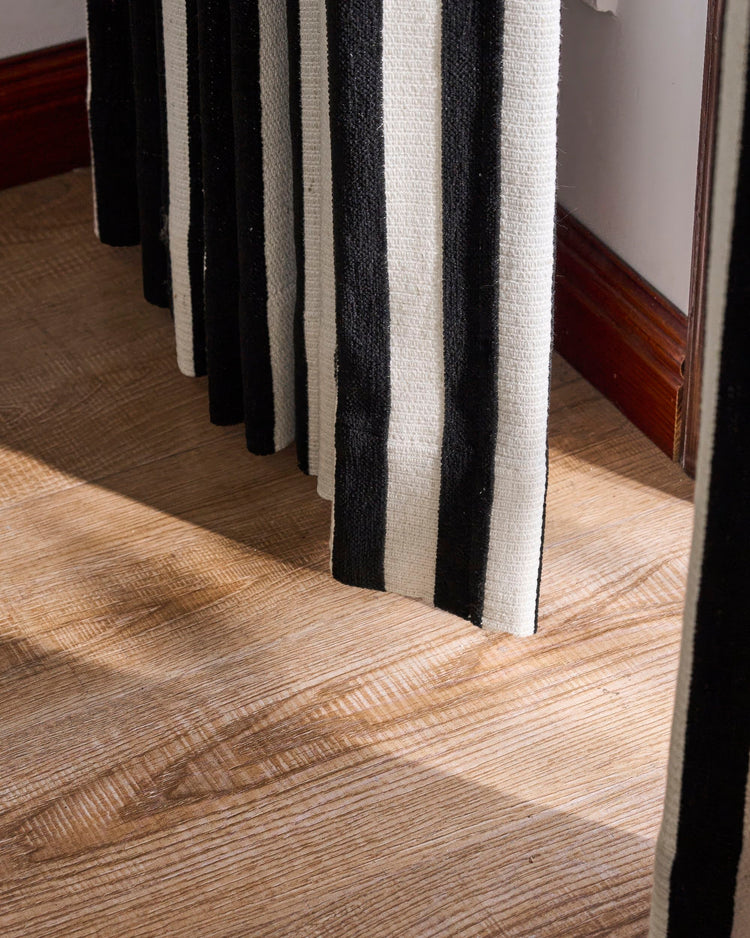
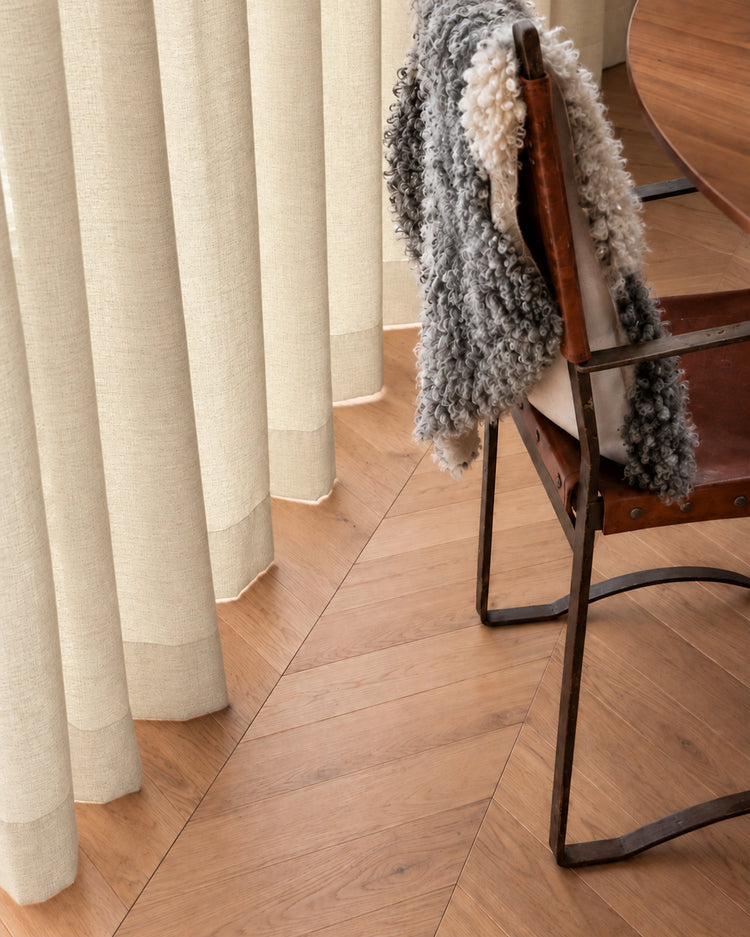
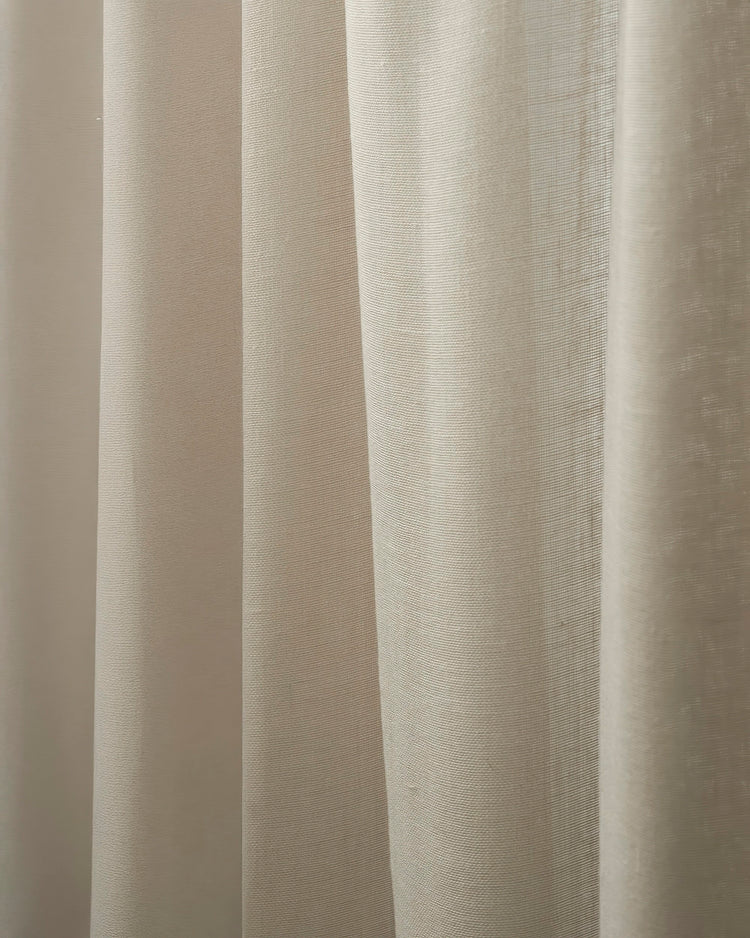
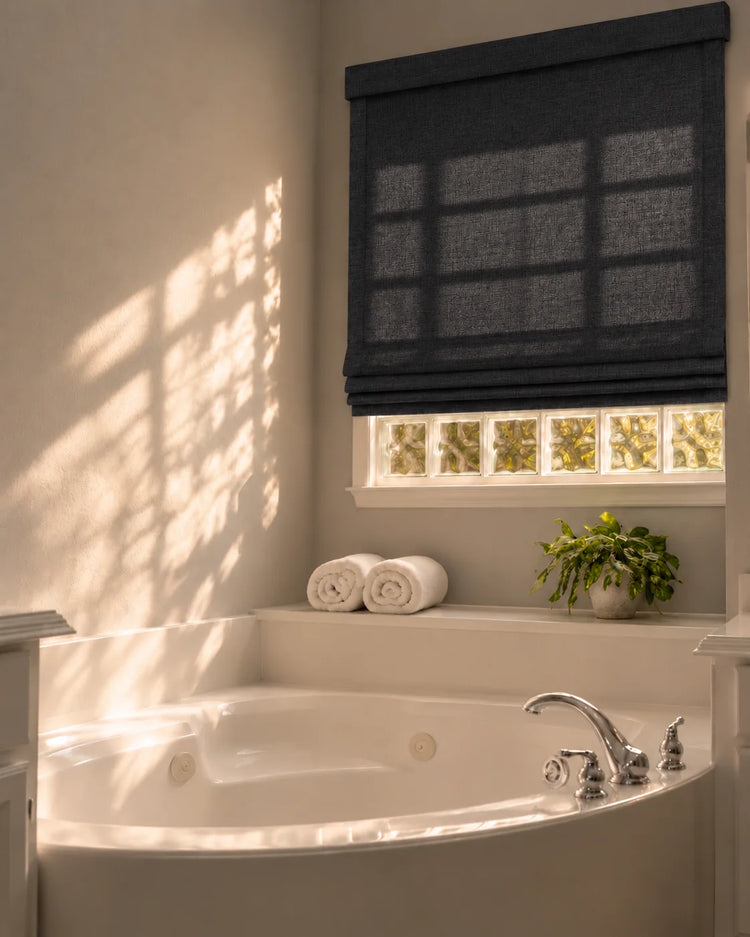
Windows are often a weak point for outside noise. Check for drafts, loose frames, and side gaps around window treatments. Dense custom curtains with enough width and a close wall fit can help soften some outside noise while improving privacy and light control.
2. Choose heavier lined curtains
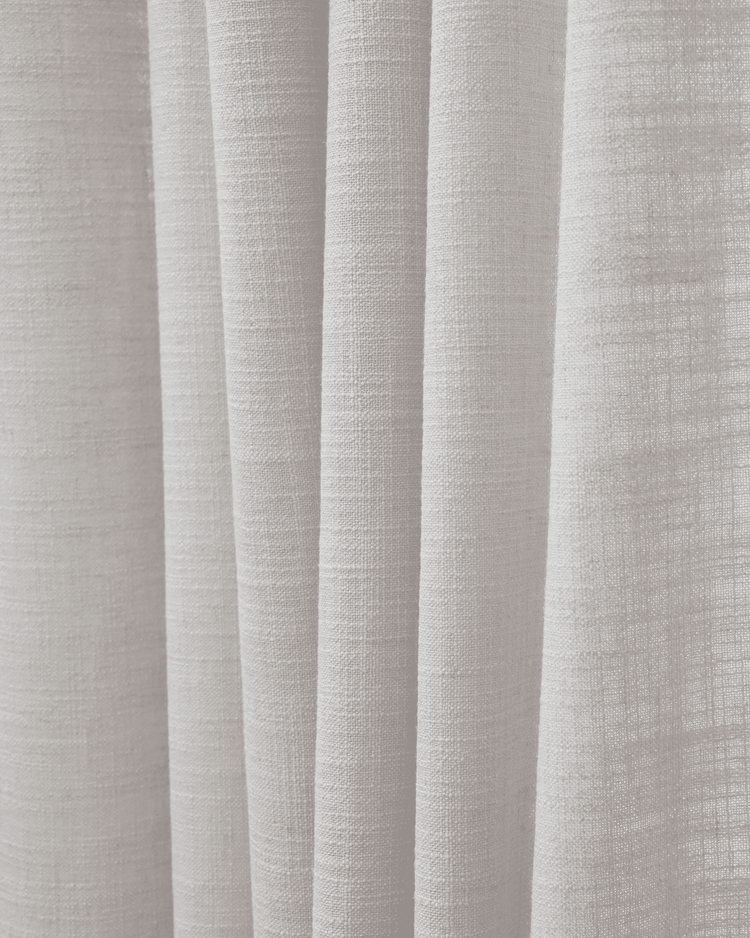
When choosing blackout curtains or thermal curtains, look beyond color. Fabric weight, lining, fullness, and coverage all affect how substantial the curtain feels in the room.
Dense curtains can help absorb some sound inside the room and may reduce certain outside sounds, especially when installed with generous width and minimal side gaps.

 100% Blackout
 Better sleep
 Noise Reducing
 Energy Saving
3. Soften reflective surfaces
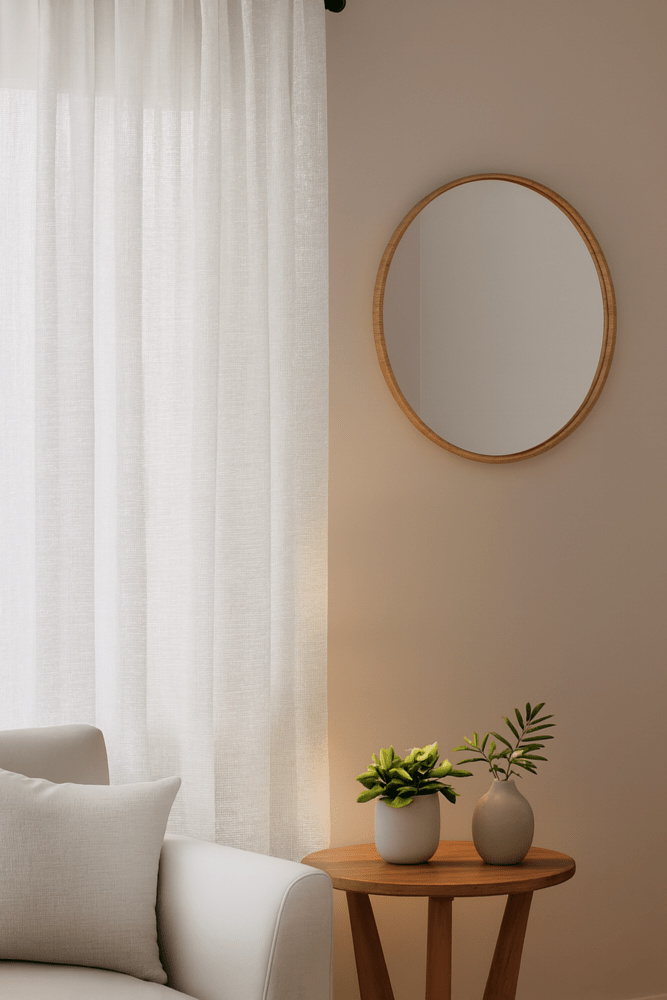
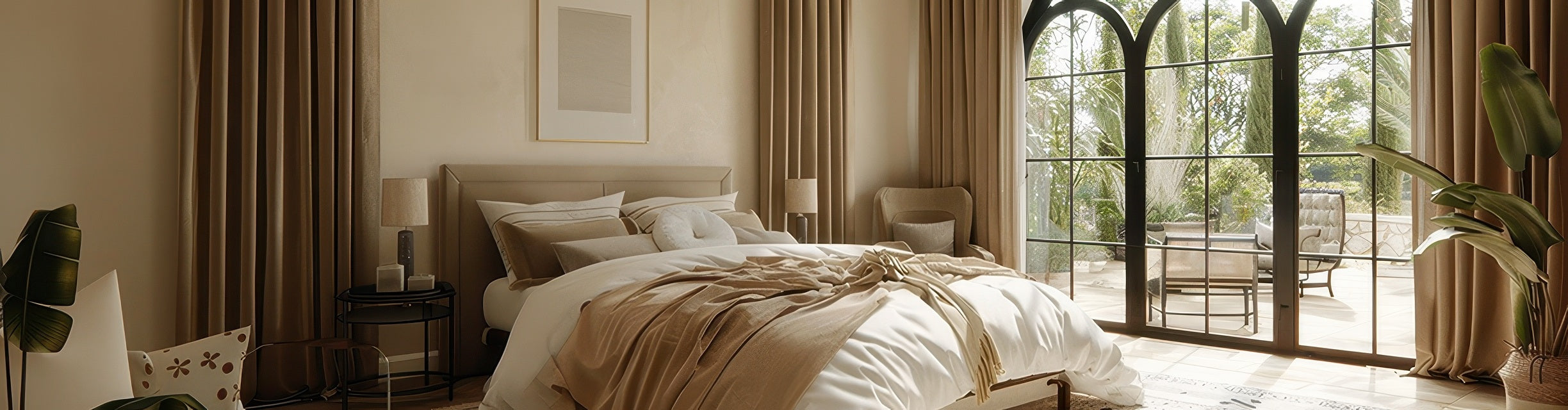
If the room echoes, add soft surfaces where sound bounces: curtains, rugs, upholstered seating, fabric wall decor, and acoustic panels. This can make calls, conversations, and movie nights feel more comfortable.

Quick comparison: which solution fits your problem?
| Problem | What helps most | What to know |
|---|---|---|
| Echo inside the room | Soft furnishings, rugs, curtains, acoustic panels | This is sound absorption, not full soundproofing |
| Street noise through windows | Window sealing, dense curtains, possible window inserts | Deeper traffic rumble may need more than fabric |
| Voices through doors | Door seals, door sweep, heavier door treatment | Gaps around the door matter a lot |
| Footsteps from above | Floor/ceiling treatment | This is often a building-structure issue |
| Bedroom light and mild outside noise | Blackout or thermal curtains with good coverage | Use the right measurements and liner |
FAQ: acoustic panels, curtains, and soundproofing
Can acoustic panels block neighbor noise?
Usually not. Acoustic panels mainly reduce echo inside your room. Neighbor noise often needs better blocking, sealing, or structural treatment.
Can curtains make a room quieter?
Yes, curtains can help soften echo and reduce some lighter outside noise, especially when the fabric is dense and the panels cover the window well. They are not a complete substitute for soundproof construction.
What is the difference between NRC and STC?
NRC is commonly used to describe how much sound a material absorbs inside a room. STC is commonly used to describe how well a barrier reduces sound transmission. For home shopping, the practical takeaway is simple: absorption improves room sound, while blocking reduces sound passing through.
What should I choose for a noisy bedroom?
Start by identifying the noise path. If it comes through the window, dense lined curtains, better coverage, and sealing can help. If it comes through walls, ceilings, or floors, curtains may only provide limited improvement.
Final takeaway
Sound absorption and sound blocking are related, but they are not the same. Acoustic panels tune the sound inside a room. Dense, sealed barriers help reduce sound transfer. Curtains sit somewhere in between: they can soften a room, improve comfort, and help with certain window-related noise when measured and installed well.
For window-focused comfort, review custom curtain options, compare liner choices with the TheHues curtain liner guide, and use the free design service if you need help matching fabric, lining, and coverage to your room.