Can Thermal Curtains Look Good? Stylish Solutions That Don't Look Like Plastic


In this article 11 sections
- Why Some Thermal Curtains Look Stiff
- Thermal Curtain Construction: What to Know
- Option 1: Choose Matte Performance Velvet for a Richer Look
- Option 2: Use Separated Lining for a Linen-Look Curtain
- Option 3: Use a Double Rod for Style and Performance
- How to Make Thermal Curtains Look More Elegant
- The Finishing Touch: Train Your Curtain Folds
- Thermal Curtain Construction Comparison
- How to Choose the Best Thermal Curtains for Your Room
- FAQ
- Final Takeaway
Thermal curtains are usually chosen for practical reasons: they help reduce drafts, block strong sunlight, and make a room feel more comfortable across seasons. But many homeowners worry that thermal curtains will look stiff, shiny, or too heavy for a well-designed room.
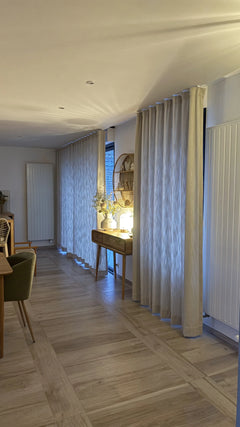
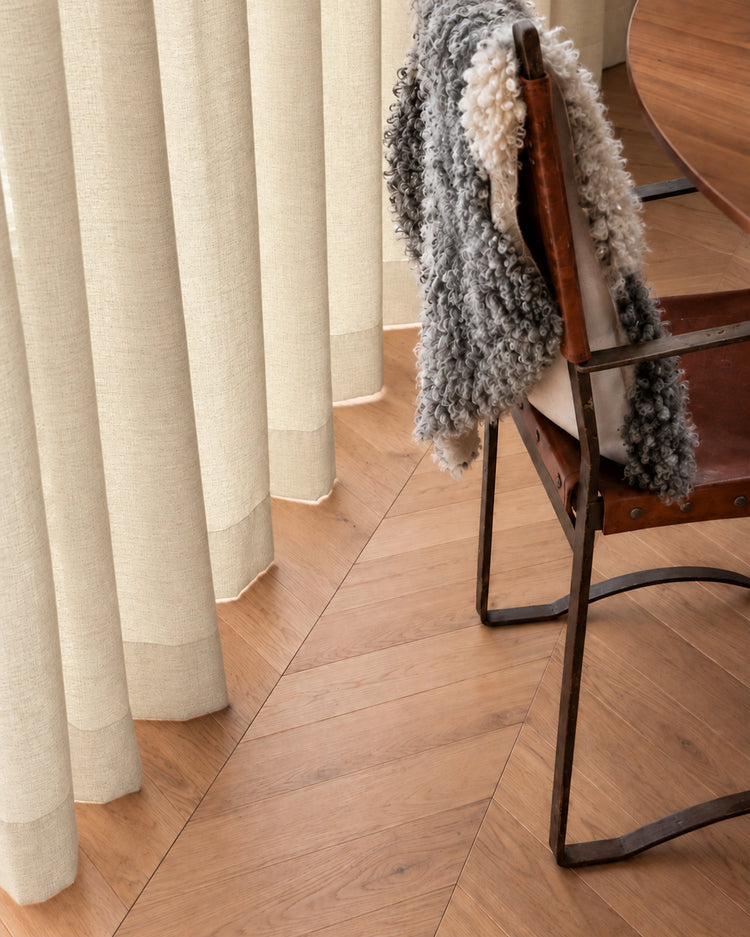
The good news is that modern thermal curtains can be both functional and stylish. The key is choosing the right fabric construction, lining, header style, and installation method for your space.
In this guide, you will learn how to choose thermal curtains that look elegant, hang beautifully, and still help with insulation, light control, and everyday comfort.
Why Some Thermal Curtains Look Stiff

Some people hesitate to buy thermal curtains because older thermal drapes often had a stiff backing, shiny finish, or heavy shape that did not drape naturally.
This usually comes from how the curtain is constructed. Some thermal curtains use a bonded backing, where a foam or coated layer is attached to the back of the fabric. This can improve insulation and light blocking, but it may also make the curtain feel more structured.
That structure is not always bad. It can work well in bedrooms, media rooms, or spaces where maximum light control matters. But if you want a softer, more natural look, you may prefer a different construction.
Thermal Curtain Construction: What to Know
Before choosing a thermal curtain, it helps to understand the main construction types. The construction affects how the curtain hangs, how much light it blocks, how easy it is to clean, and how refined it looks in the room.
Triple-Weave Thermal Curtains
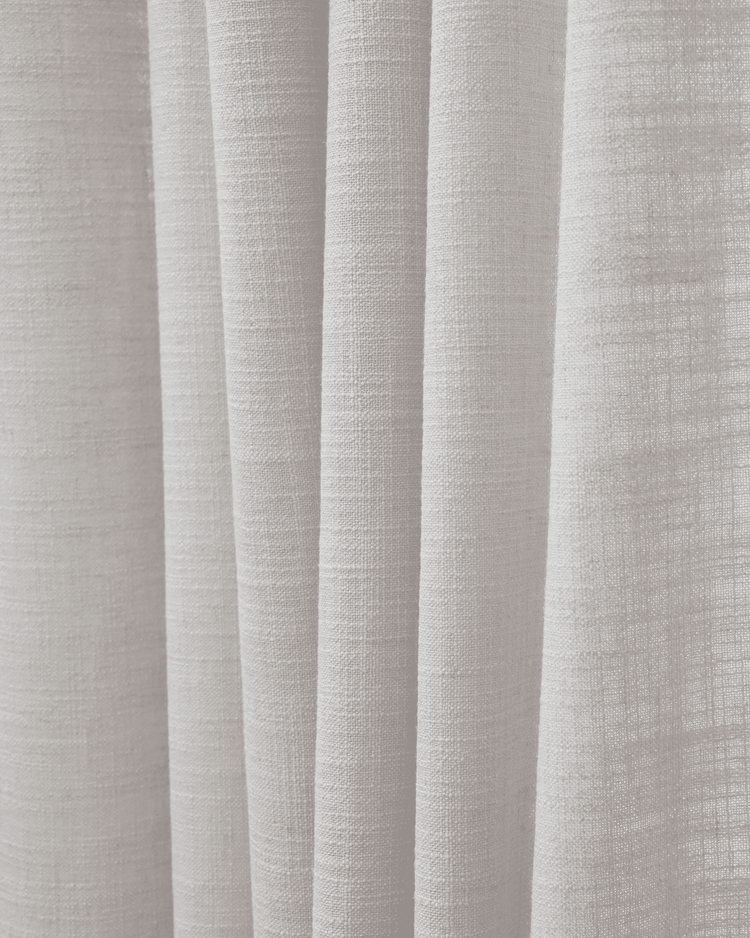
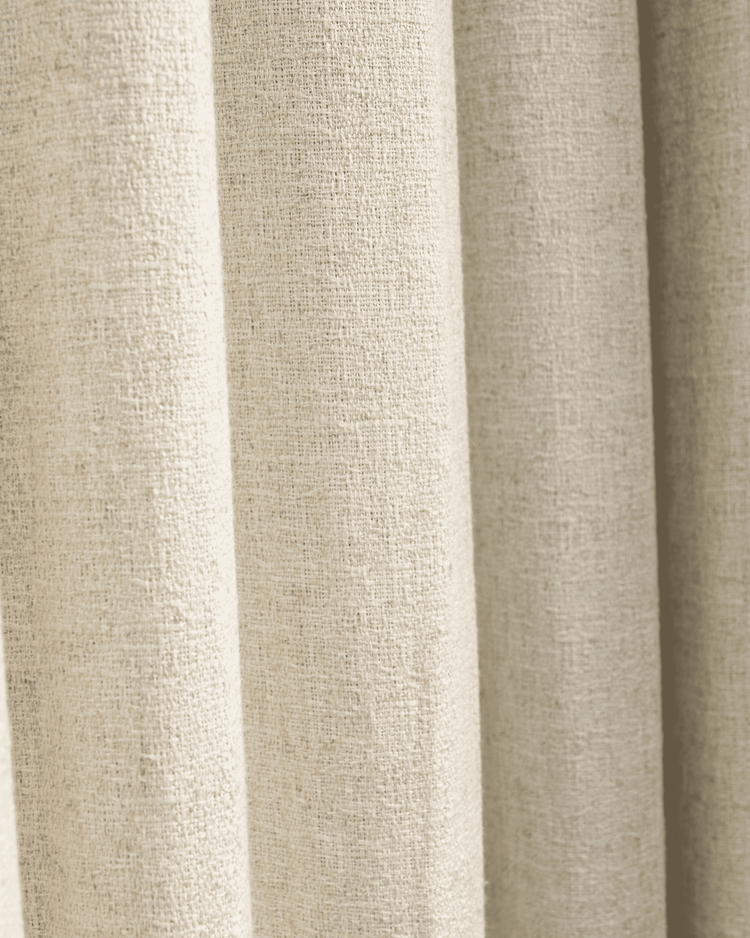
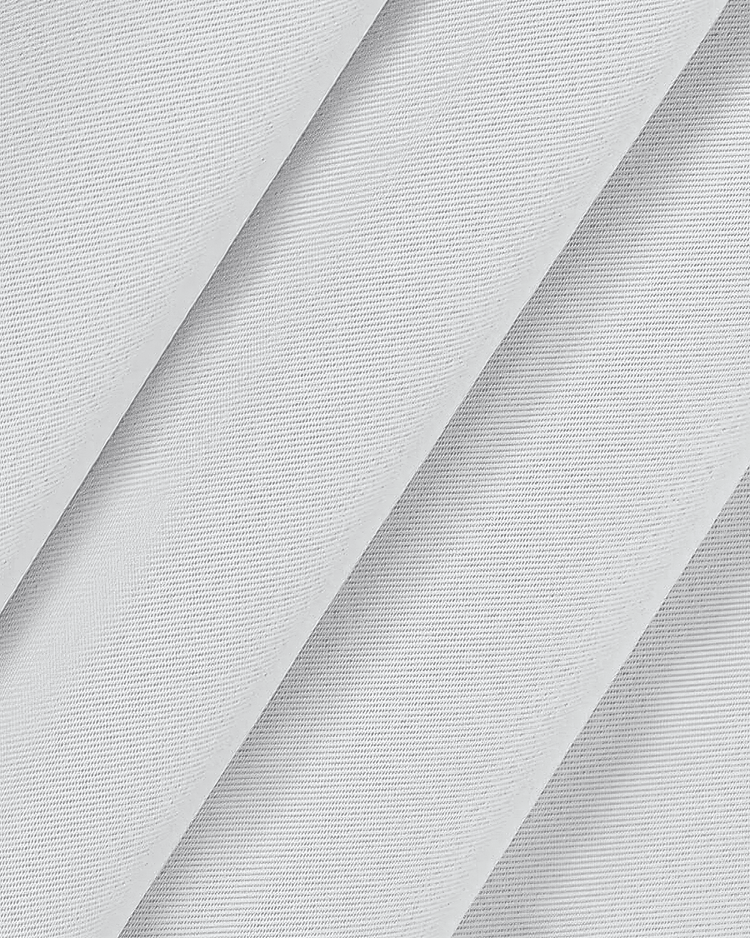
Triple-weave curtains are made by weaving dense yarns together rather than adding a thick coated backing. This creates a softer fabric that usually drapes more naturally than many foam-backed curtains.
Best for: living rooms, bedrooms, apartments, and spaces where you want a softer everyday look.
Why people like them:
- Soft fabric feel
- More natural drape
- Often easier to care for
- Good balance of style and function
- Less stiff than many coated curtains
What to consider: Triple-weave curtains can provide useful thermal benefits, but they may not insulate as strongly as heavier lined or multi-layer curtains. They are a good choice when you want comfort and style without a very rigid curtain feel.
Bonded or Coated Thermal Curtains
Bonded or coated curtains use a backing layer to improve insulation, blackout performance, or both. This type of construction can be helpful when you need stronger room darkening, more privacy, or better draft reduction.
Best for: bedrooms, nurseries, media rooms, guest rooms, and windows with strong sun or cold drafts.
Why people like them:
- Stronger light blocking
- Better privacy
- More substantial window coverage
- Useful for rooms that need more performance
What to consider: Some bonded curtains may hang with a more structured shape. If you want a softer designer look, pay close attention to fabric finish, weight, header style, and whether the curtain can be steamed or trained after installation.
Separated-Liner Thermal Curtains
Separated-liner construction uses a decorative front fabric and a functional backing or liner as separate layers. Instead of making the face fabric feel stiff, the liner sits behind it and helps provide insulation, privacy, or blackout support.
This is often one of the best choices when you want thermal performance without losing a softer, more elevated fabric look.
Best for: living rooms, dining rooms, bedrooms, and custom curtain projects where appearance matters as much as performance.
Why people like them:
- The front fabric can drape more naturally
- The liner adds function without dominating the look
- The curtain can feel more custom and layered
- Good option for linen-look, cotton-blend, or textured fabrics
Option 1: Choose Matte Performance Velvet for a Richer Look

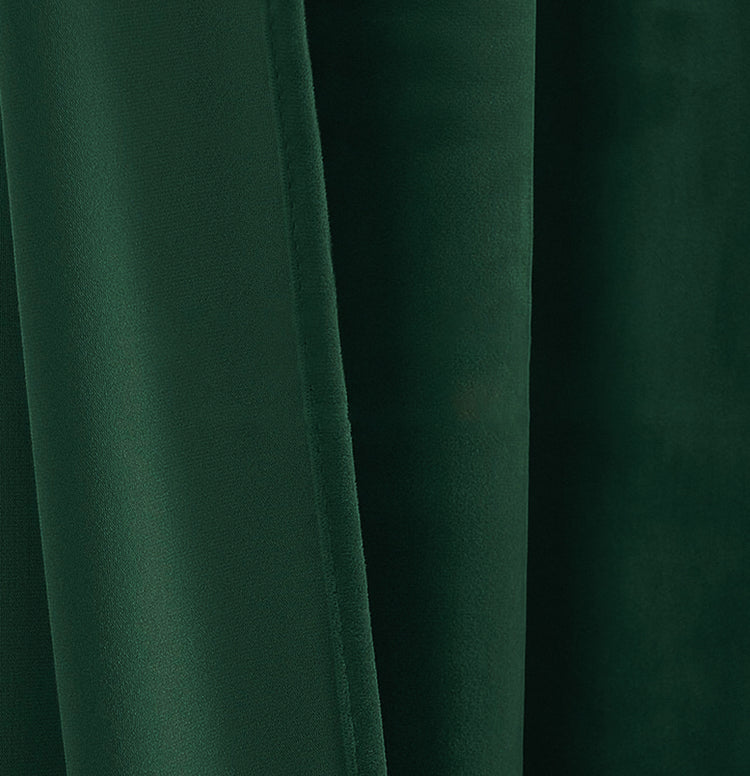
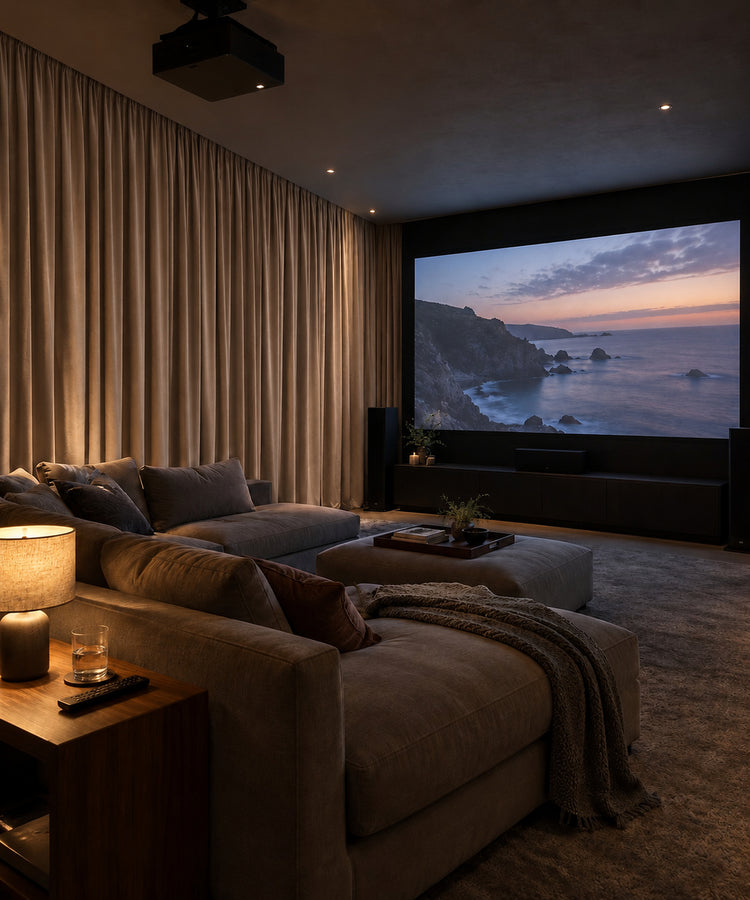
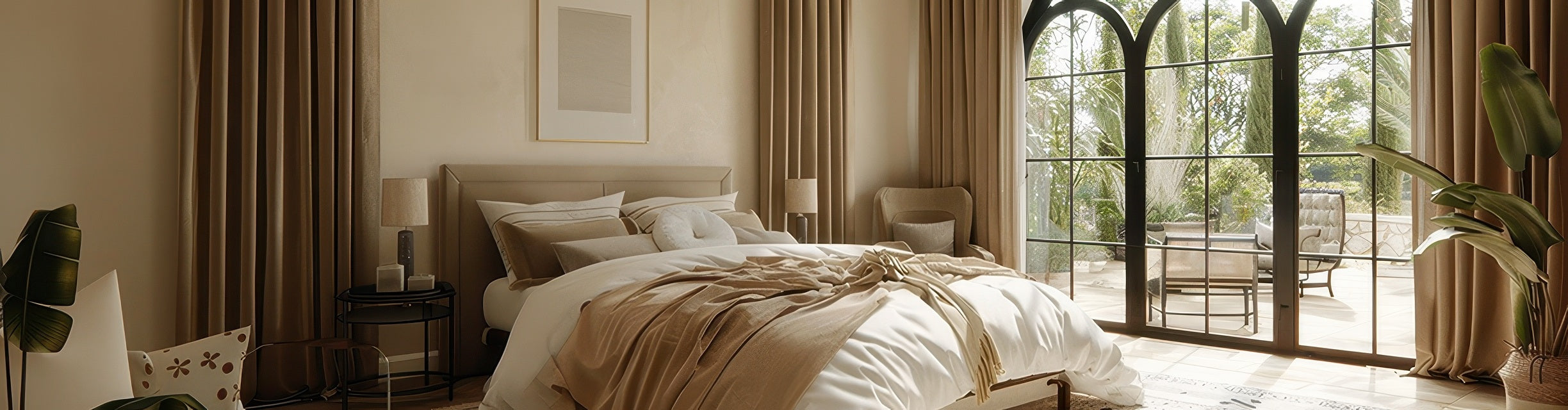
If you want thermal curtains that feel luxurious, velvet is a strong option. Its dense surface adds weight, softness, and visual depth. It can also help reduce drafts and soften noise in the room.
For everyday homes, performance velvet or high-quality polyester velvet is often more practical than delicate natural velvet. It can offer better durability, easier care, and a more consistent finish for window treatments.
A good velvet curtain does not need to look shiny or formal. The most refined option is usually a matte or low-luster velvet.

 100% Blackout
 Better sleep
 Noise Reducing
 Energy Saving
When choosing velvet thermal curtains:
- Avoid: crushed velvet or very shiny finishes if you want a cleaner, more modern look.
- Choose: matte, low-luster, or performance velvet for a richer and more polished appearance.
- Consider: blackout or thermal lining if the room needs more privacy, darkness, or insulation.
Matte velvet works especially well in bedrooms, formal living rooms, dining rooms, and spaces where you want the curtains to feel soft, substantial, and finished.
Option 2: Use Separated Lining for a Linen-Look Curtain

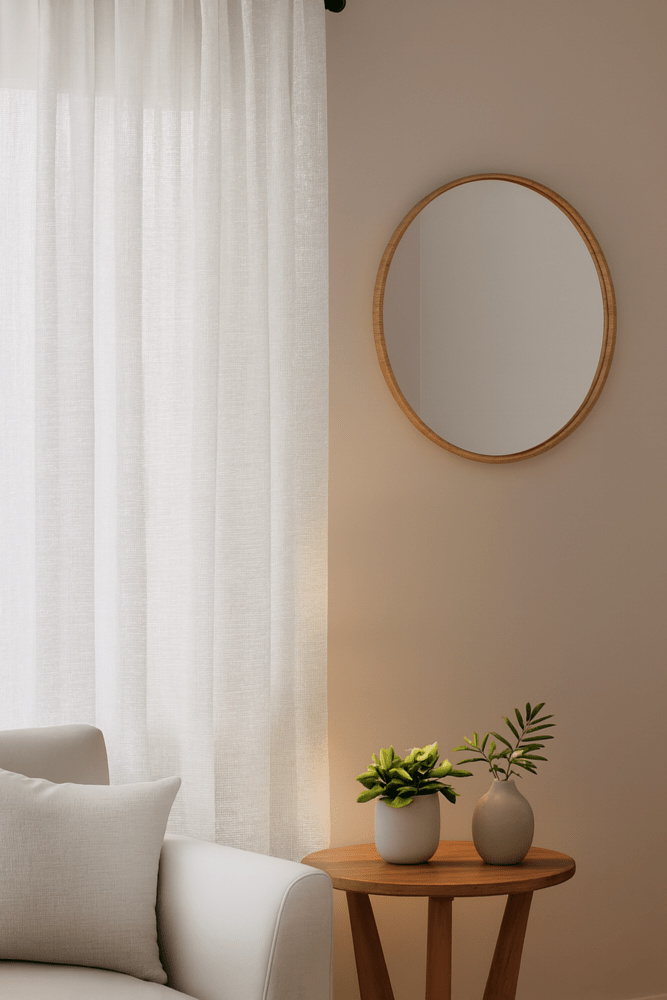
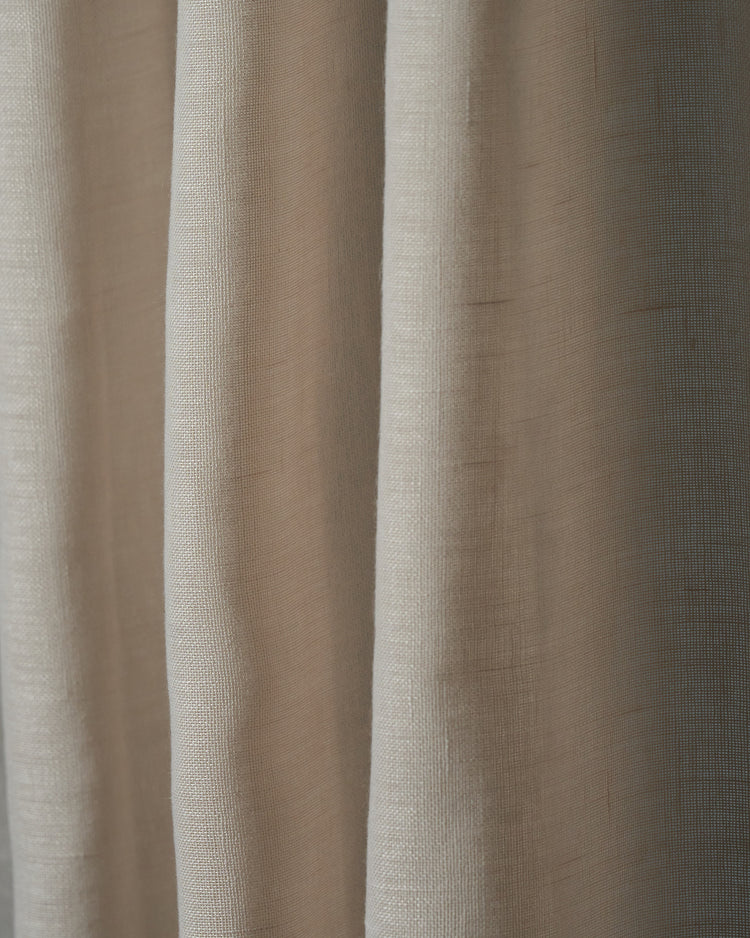
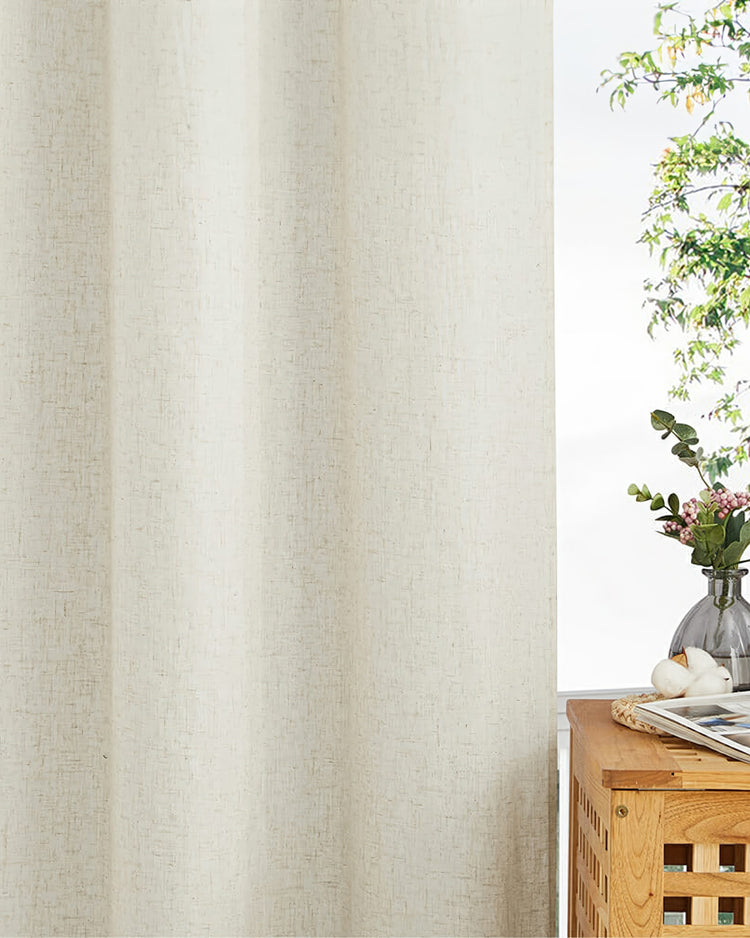
Linen and linen-look curtains are popular because they feel natural, relaxed, and warm. But when thermal backing is bonded directly to a linen-style face fabric, the curtain may lose some of that easy, organic movement.
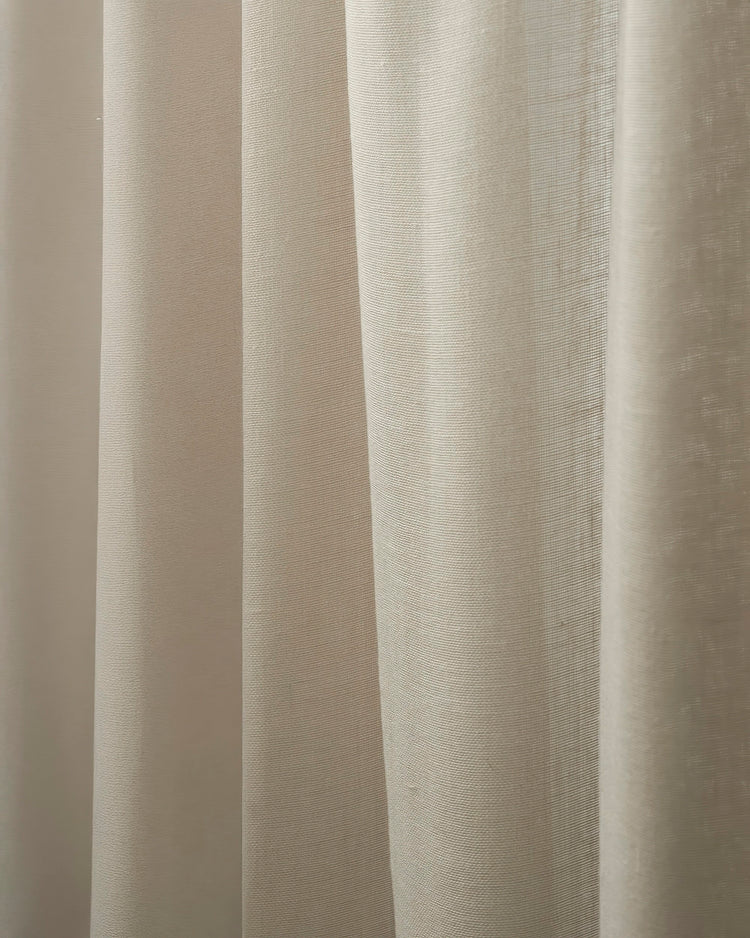
If you want the look of linen with better insulation or light control, choose a curtain with a separated liner. The front fabric can still hang softly, while the liner behind it adds function.
TheHues separated-liner curtain options are designed for this type of balance: a more natural front fabric with a performance layer behind it.

Separated-liner construction offers three main benefits:
- More natural movement: The front fabric can ripple and fold more freely.
- Hidden performance: The liner adds insulation, privacy, or blackout support from behind.
- A layered air pocket: The space between fabric and liner can help improve comfort near the window.
Simple shopping tip: If you can gently separate the front fabric from the backing and the layers move independently, the curtain is likely using a separated-liner style construction.
Option 3: Use a Double Rod for Style and Performance
If you already have decorative curtains you love, you may not need to replace them completely. A double rod setup lets you layer a functional thermal liner behind your existing decorative curtain.
- Back rod: Hang the thermal or blackout liner.
- Front rod: Hang your decorative curtain or drape.
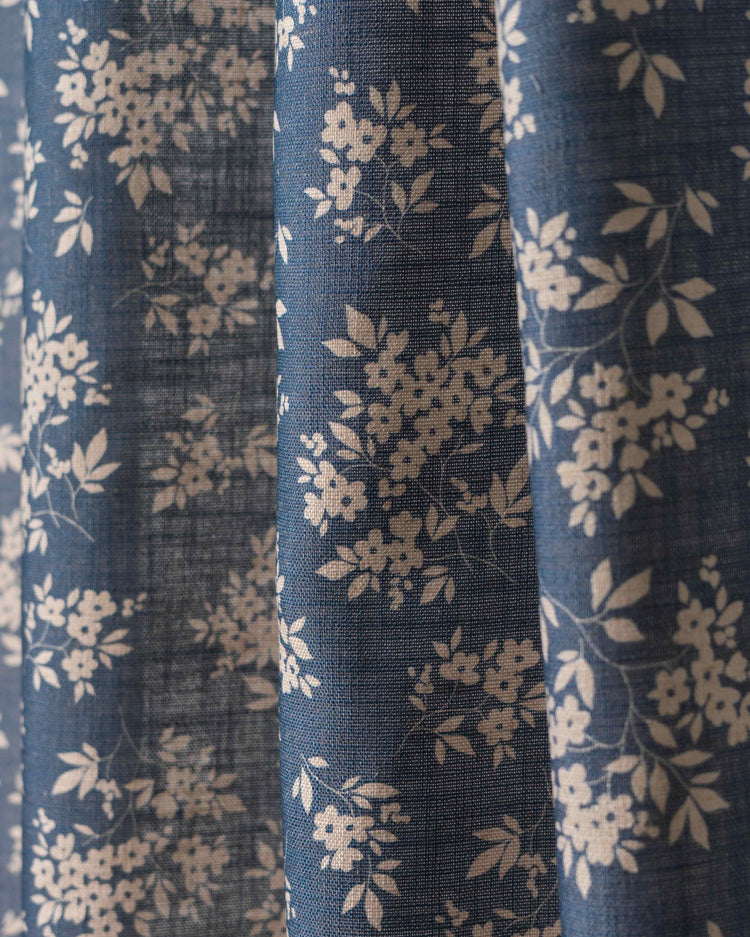
This method works well when you want to keep a specific print, sheer, or designer fabric while improving privacy, light control, or insulation.
If you are considering this approach, read TheHues guide to buying and hanging double curtain rods before choosing hardware.
Use Strong Enough Hardware
A double rod system can become heavy because it supports both the liner and the decorative curtain. Standard lightweight rods or weak wall anchors may sag over time.
For better support:
- Use sturdy brackets designed for double rods.
- Mount into wall studs when possible.
- Use appropriate wall anchors for your wall type.
- Avoid lightweight tension rods for heavy layered curtain systems.
Good hardware is not just a finishing detail. It affects safety, daily use, and how well the curtains hang.
How to Make Thermal Curtains Look More Elegant
The fabric and liner matter, but installation and finishing also make a big difference. Even expensive curtains can look unfinished if they are hung too low, too narrow, or left wrinkled from packaging.
Hang Them High and Wide
For a more custom look, mount the rod higher than the window frame and extend it wider than the window. This makes the window look larger and gives the curtain more room to stack when open.
A wider mount also helps reduce side gaps, which can improve privacy, light control, and insulation.
Use Enough Fullness
Flat thermal curtains can look stiff and plain. Use enough width so the curtain forms soft, consistent folds.
For most rooms, a curtain width around 2 to 2.5 times the window or rod width creates a fuller and more polished look.
Choose the Right Header Style
The header style affects how thermal curtains hang. A pinch pleat or tailored header can make heavier fabric look more structured and refined. Back tab and rod pocket styles can create a softer, closer fit.
If you are not sure which header fits your room, compare options in TheHues curtain header guide.
The Finishing Touch: Train Your Curtain Folds

Thermal curtains are often heavier than standard curtains, so they may need a little shaping after installation. This process is often called curtain training.
Training helps the fabric fall into cleaner, more even folds. It is one of the easiest ways to make thermal curtains look more custom.
To train curtain folds:
- Steam: Hang the curtains and gently steam out packaging creases if the care instructions allow it.
- Fold: Arrange the fabric into even vertical folds while the curtains are open.
- Tie: Use soft fabric strips or ribbon to loosely hold the folds in place. Tie at the top, middle, and bottom.
- Let them set: Leave the curtains tied for about 24 to 48 hours.
When you untie them, the curtains should fall in cleaner vertical lines instead of flaring or bunching unevenly.
Thermal Curtain Construction Comparison
| Feature | Triple-Weave | Bonded or Coated Backing | Separated Liner |
|---|---|---|---|
| Drape | Soft and natural | More structured | Soft front with functional backing |
| Thermal Support | Moderate | Strong | Strong |
| Look | Casual, simple, easygoing | Clean, practical, performance-focused | More custom and layered |
| Best For | Living rooms, bedrooms, apartments | Bedrooms, media rooms, high-sun windows | Living rooms, dining rooms, bedrooms |
| Main Advantage | Softer feel | Better light and temperature control | Better balance of style and function |
How to Choose the Best Thermal Curtains for Your Room
For Bedrooms
Choose lined or blackout thermal curtains if you want better sleep, privacy, and temperature control. Matte velvet, heavy fabric, or separated-liner curtains can all work well.
For Living Rooms
Choose thermal curtains that look soft and intentional, not overly heavy. Triple-weave, linen-look separated-liner curtains, or lighter thermal options are often a good fit.
For Dining Rooms
Focus on texture and drape. A separated-liner linen-look curtain can add softness while still helping with comfort near large windows.
For Media Rooms
Performance matters more here. Choose blackout thermal curtains with strong coverage, enough width, and a header style that reduces gaps.
For Drafty or High-Sun Windows
Choose heavier lined curtains or thermal curtains with stronger backing. Mount them high and wide, and make sure the curtain covers beyond the window frame to reduce gaps.
FAQ
Do thermal curtains have to look heavy or stiff?
No. Some thermal curtains are structured, but others are designed with softer fabric, triple-weave construction, or separated liners. If you want a softer look, pay close attention to fabric type and construction.
Are triple-weave curtains good for insulation?
Triple-weave curtains can provide moderate insulation and light control. They are a good choice when you want a softer, easier everyday curtain. For stronger insulation or blackout performance, consider lined or multi-layer thermal curtains.
What fabric looks best for thermal curtains?
It depends on the room. Matte velvet creates a rich, substantial look. Linen-look fabrics feel more relaxed and organic. Triple-weave fabrics can work well for simple, soft everyday curtains.
Can I add a thermal liner to curtains I already own?
Yes. A double rod setup can let you hang a thermal or blackout liner behind decorative curtains. Just make sure your hardware can support the added weight.
Can thermal curtains be machine washed?
It depends on the fabric and construction. Some triple-weave curtains may be machine washable, while bonded, velvet, or lined curtains may require spot cleaning or professional care. Always follow the care instructions for the specific curtain.
Do thermal curtains help with noise?
Heavy thermal curtains can help soften outside noise and reduce echo inside the room. They will not fully soundproof a space, but they can make bedrooms, apartments, and street-facing rooms feel calmer.
Final Takeaway
Thermal curtains can be practical and beautiful when you choose the right construction for your room. The goal is not just to buy the thickest curtain. It is to match the fabric, lining, header style, and installation to the way the room is used.
If you want a soft everyday curtain, consider triple-weave. If you want a richer look, choose matte performance velvet. If you love the relaxed look of linen but still need insulation, choose separated-liner construction. If you already own decorative curtains, use a double rod to add a thermal liner behind them.
For the most polished result, hang the curtains high and wide, use enough fullness, and train the folds after installation.
To get started, compare TheHues thermal curtains, review the thermal curtains buyer’s guide, or use the free design service if you want help choosing the right fabric, liner, and style for your room.