The Ultimate Guide to Outdoor Furniture Covers


Outdoor furniture is an investment—often a surprisingly expensive one. Yet, most people leave it defenseless against the elements. Rain warps wood, UV rays bleach expensive cushions, and freezing temperatures crack resin. A proper cover isn't just an accessory; it protects the thousands of dollars you spent on your patio setup.
Standard blue plastic tarps are not the solution. They look terrible and trap moisture underneath, essentially steam-cooking your furniture into a state of mold and rust. You need breathable, purpose-built protection designed for your specific climate.
What you are actually fighting against
It’s not just "weather." There are three specific enemies of outdoor furniture longevity:
1. Moisture Traps: Rain is obvious, but trapped condensation is the silent killer. When water gets into wood grain, it swells and cracks. When it sits on metal, it rusts. Even "all-weather" wicker will unravel if it stays damp for weeks.
2. UV Degradation: The sun is relentless. Without UV protection, that vibrant navy blue cushion you loved will turn a sad, chalky grey within two seasons. UV rays also make plastic and resin brittle, leading to structural snaps.
3. Organic Debris: Bird droppings are highly acidic and can eat through sealants. Tree sap creates sticky spots that attract dirt. Pollen turns everything yellow. A cover saves you from scrubbing your furniture for 20 minutes before every BBQ.

Material Guide: What to buy
Not all fabrics are created equal. Here is the breakdown of what actually works in the US market:
Solution-Dyed Polyester (The Standard): This is the most balanced choice for most homeowners. Look for "Solution-Dyed" specifically—this means the color goes all the way through the thread (like a carrot) rather than just being painted on top (like a radish). This prevents fading. Ensure it is at least 600 Denier (600D) thickness to prevent tearing.
Heavy-Duty Vinyl: Best for extreme rain (Pacific Northwest) or snow. It is heavy and fully waterproof. However, vinyl does not breathe well. If you choose vinyl, you must ensure it has large vents, or you will grow mold underneath.
Treated Canvas: Ideal for dry, hot climates (like the Southwest) because it is highly breathable. It prevents the "oven effect" on your furniture. While durable, it requires re-treatment with water-repellent sprays every few years to maintain effectiveness.
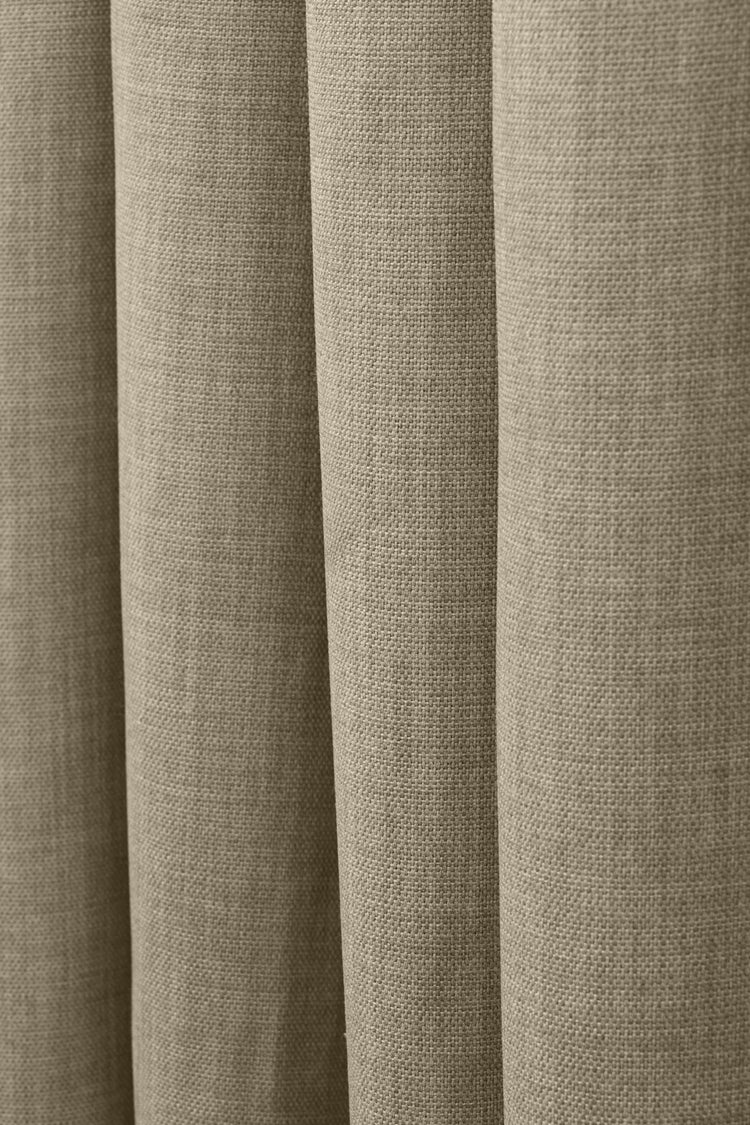
Oxford Weave: You will often see "Oxford" listed. This refers to a basket-weave structure that is more resistant to tearing than standard smooth polyester. It is a durability feature, not a separate material type.

How to measure (and the one step everyone forgets)
A loose cover acts like a sail in the wind; a tight cover will rip when you try to force it on. Follow these steps:
- Width: Measure the widest point (armrest to armrest).
- Depth: Front leg to back leg (or back of the frame).
- Height: Ground to the top of the backrest. Note: Most covers are designed to be 1-2 inches shorter than the furniture so the hem doesn't drag in the mud/dirt.
The "Tenting" Rule (Crucial): If you are covering a table, do not let the cover lie flat. Water will pool in the center, creating a heavy puddle that breeds mosquitoes and degrades the fabric. Place a "tenting object" (like an overturned bucket, a beach ball, or an airbag) in the center of the table under the cover. This creates a slope so water runs off instantly.
The Umbrella Warning: Never measure or cover a table with the umbrella still in the hole. It creates a high center of gravity. If the wind catches the cover, it can leverage the umbrella pole and flip your entire table, shattering glass tops. Store the umbrella separately.
Features that actually matter
Air Vents: Essential for preventing mold. Vents allow air circulation to dry out condensation. Look for covered vents (usually with a flap) that keep rain out but let air flow through.
Buckle Straps (Click-Close): Drawstrings are rarely enough to hold a cover during a storm. Look for covers with buckle straps that click around the furniture legs. This anchors the cover to the heaviest part of the furniture.
Padded Handles: Wrestling a stiff, heavy cover off a large sectional is difficult. Reinforced handles make the process much faster and prevent you from ripping the fabric when pulling.

Storage and Maintenance Rules
Cushions: Even with the best covers, store your cushions indoors or in a waterproof deck box during winter. Temperature fluctuations cause condensation that covers can't fully stop, which leads to mildew inside the cushion foam.
Cleaning the Cover: Never put outdoor covers in a washing machine; the agitator will destroy the waterproof coating. Hose them down while they are on the furniture, use a soft brush with mild soap for bird droppings, and let them air dry completely.
Off-Season Storage: When you take the covers off for the summer, ensure they are bone dry before folding them. Storing a damp cover is a guarantee that it will be ruined by the time you need it again.

Common mistakes to avoid
Ignoring the "Pooling" issue. As mentioned above, if water sits on top of your cover for weeks, the cover will fail. Create a slope.
Covering wet furniture. If you cover a wet wood table, you are sealing the moisture in. Let the furniture dry in the sun before putting the cover on.
Going too cheap. A $20 cover will usually last one season before cracking. Expect to spend 5-10% of the furniture's cost on protection if you want it to last more than a year.