Do you need curtains? Why they make a room feel finished


In this article 11 sections
- Why a room can feel unfinished without curtains
- Do you need curtains in every room?
- Why curtains make a room feel finished
- What kind of curtains make a room feel finished?
- When you may not need curtains
- Common mistakes that keep curtains from looking finished
- Do you need curtains if you already have blinds?
- When custom curtains are worth it
- Quick checklist: does your room need curtains?
- FAQ: Do you need curtains?
- Final takeaway
A room can have the right sofa, rug, lamps, and wall color and still feel unfinished. Very often, the missing layer is the window treatment.
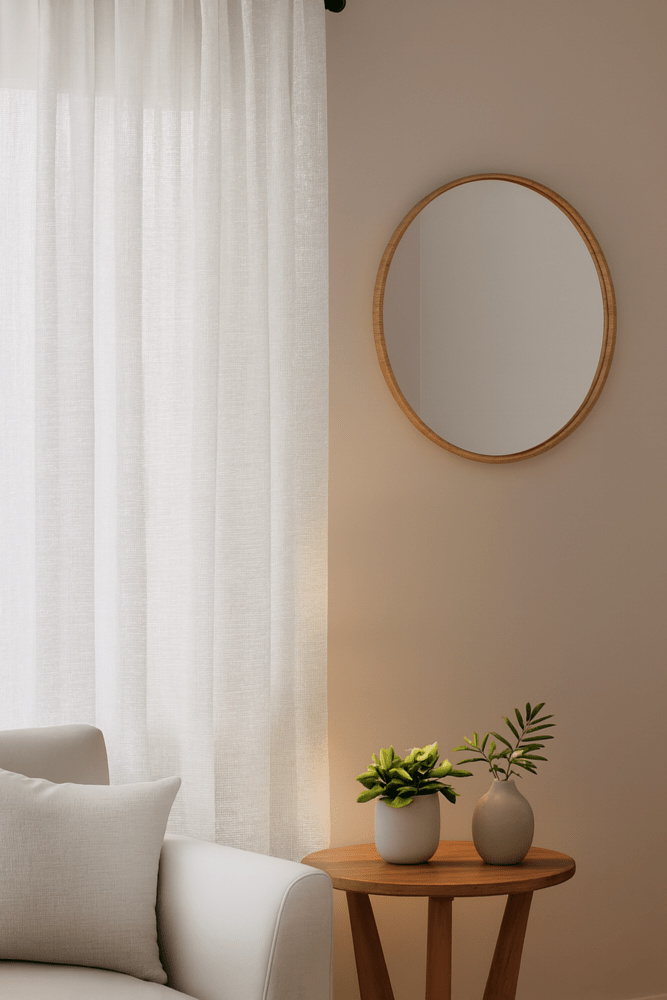
So, do you need curtains? Not in every room. But in many living rooms, bedrooms, dining rooms, and offices, curtains do more than cover the glass. They soften hard edges, improve privacy, manage glare, add texture, and make the window feel like part of the room instead of a blank opening.
This guide will help you decide when curtains are worth adding, when another window treatment may work better, and which curtain details create the most polished result.
If you are already close to ordering, start with the TheHues curtain measurement guide. Getting the width, length, and rod placement right matters just as much as choosing the fabric.
Why a room can feel unfinished without curtains
An unfinished room is not always missing more decor. Sometimes it is missing softness and proportion.
Glass is hard, reflective, and visually thin. Most rooms already include plenty of hard surfaces: walls, floors, tables, screens, frames, and trim. Curtains add fabric, folds, and movement, which helps balance those surfaces and make the room feel warmer.
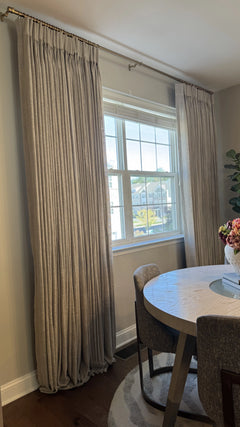
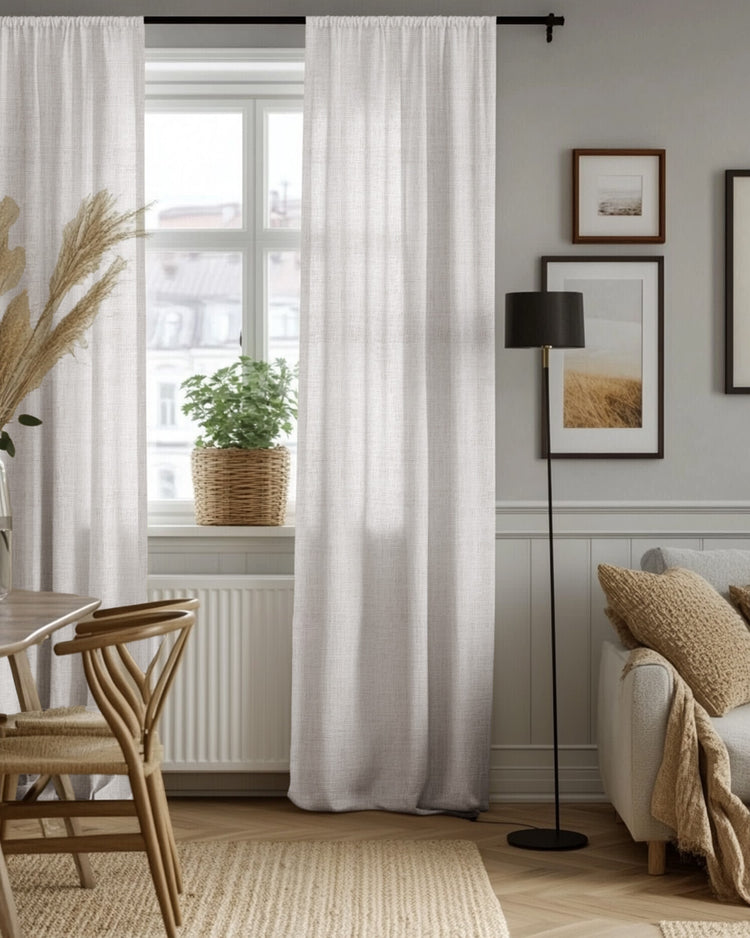
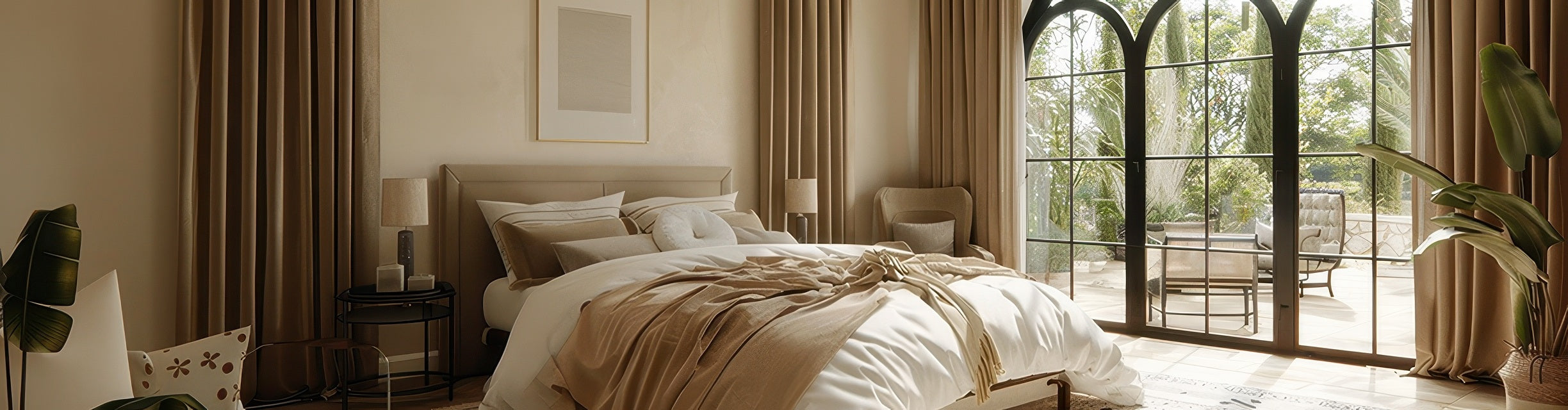
Bare windows can also look like empty cutouts in the wall. Once the window is framed with curtains, the opening feels more anchored. This is especially true when the rod is mounted higher and wider than the window frame, because the treatment makes the window look taller and more intentional.
Function matters too. A room often feels unfinished when it still feels exposed, too bright at the wrong time of day, or visually harsh at night. Curtains help close that gap between how the room looks and how it needs to work.

Do you need curtains in every room?
No. Curtains are not mandatory in every room, and the best answer depends on the window, the room, and how you use the space.
Some small bathrooms, compact kitchens, and rooms with strong built-in shades or shutters can feel complete without curtains. A minimalist room may also work well with a clean shade if the rest of the design already has enough warmth and texture.
But curtains often make sense when a room needs more than basic coverage. They are especially useful when you want:
- more privacy at night
- softer light during the day
- less glare on screens
- a warmer, more finished look
- better proportion around short, narrow, or awkward windows
- more texture in a room that feels flat or echoey
For most bedrooms and living rooms, curtains are not just decoration. They are a finishing layer that helps the room feel more comfortable and complete.
If the room already feels close but not quite finished, compare options in the TheHues custom curtains collection. The difference is often not about adding more items, but about getting the window layer sized and styled correctly.
Why curtains make a room feel finished
Curtains work because several small design effects happen at the same time. The room gets softer, the window looks more intentional, and the light becomes easier to manage.
They soften hard lines
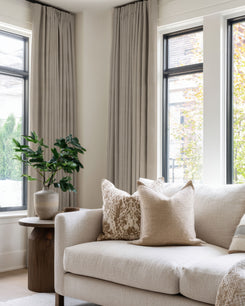
Windows create sharp corners and visual breaks. Curtains soften those edges with fabric folds, texture, and vertical movement.
Even a simple neutral panel can make a room feel less boxy because it adds shape where bare glass would otherwise look flat. This is helpful in modern rooms, rentals, and open-plan spaces that have many straight lines.
They make the architecture feel more intentional
Curtains can visually improve the scale of a window. A rod mounted above the frame draws the eye upward. A rod extended beyond the frame lets more glass show when the panels are open.
Together, those choices can make the ceiling feel taller and the window feel wider. This is one reason curtains often look more finished than blinds alone. Blinds usually stay inside or close to the frame, while curtains connect the window to the wall, ceiling, and floor.

They create privacy in a softer way
Shades and shutters can provide privacy, but curtains change the mood of privacy. They create a softer sense of enclosure, especially in bedrooms, living rooms, and street-facing spaces.
This matters most at night. A room can look well furnished during the day and still feel exposed once the lights are on. Closing curtains makes the space feel more settled and private.
They help with light control and comfort
Curtains can help manage glare, strong sun, early morning light, and drafty-feeling windows. The exact result depends on the fabric, lining, fullness, and installation, so it is better to think in terms of improvement rather than a guaranteed effect.
The U.S. Department of Energy notes that window attachments can help manage heat gain and heat loss when chosen and used correctly. That is one reason fabric weight, lining, and coverage matter, especially for rooms with large windows or strong afternoon sun.
They add texture, weight, and rhythm
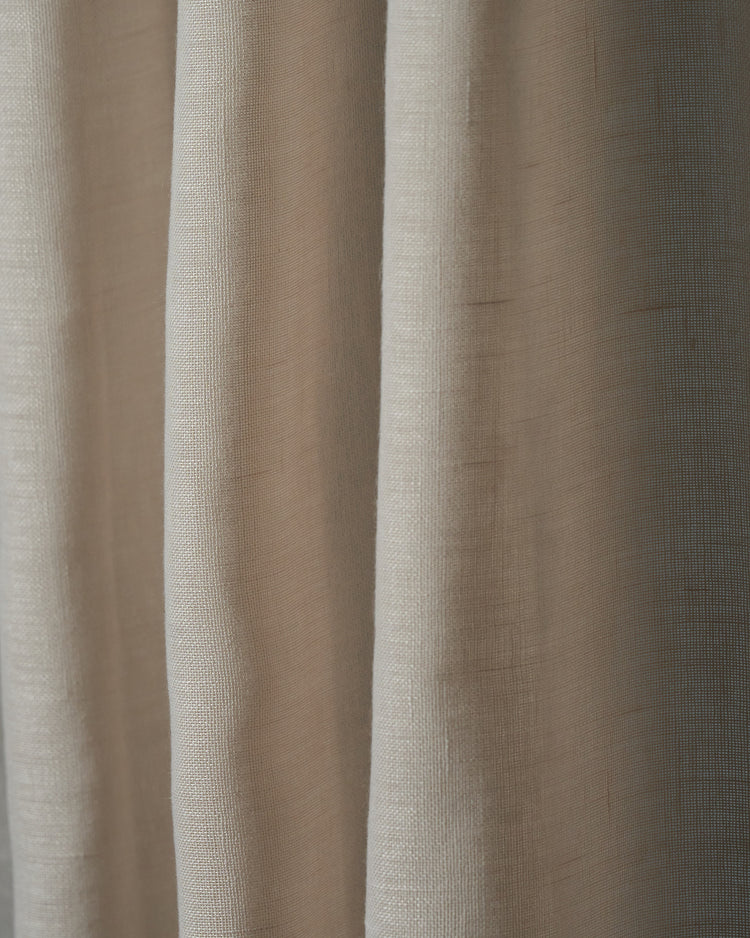
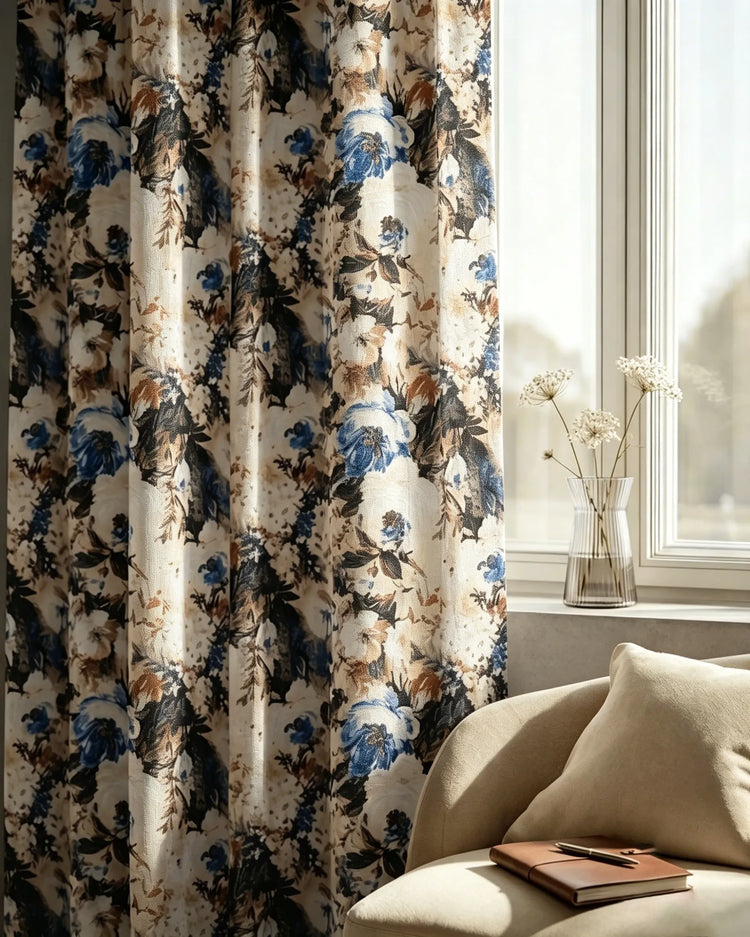
Curtains introduce vertical folds, which give the wall more rhythm. That repeated fabric line makes a room feel more tailored, especially when the panels have enough fullness and the length is intentional.
Skimpy panels rarely create the same effect. They may cover the glass, but they do not always add enough visual weight to make the room feel finished.

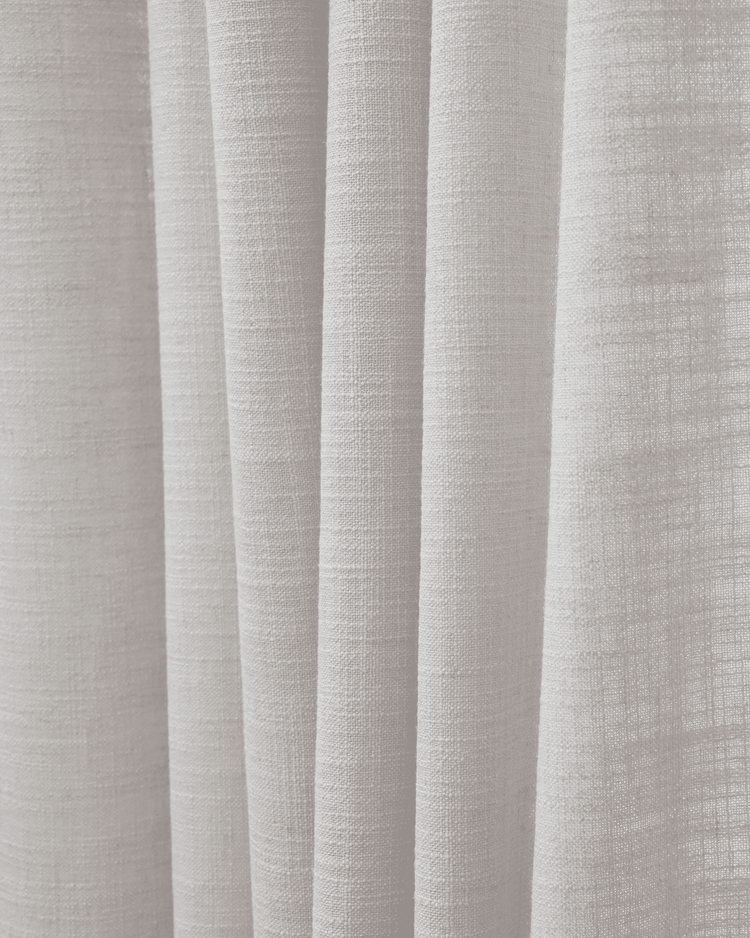
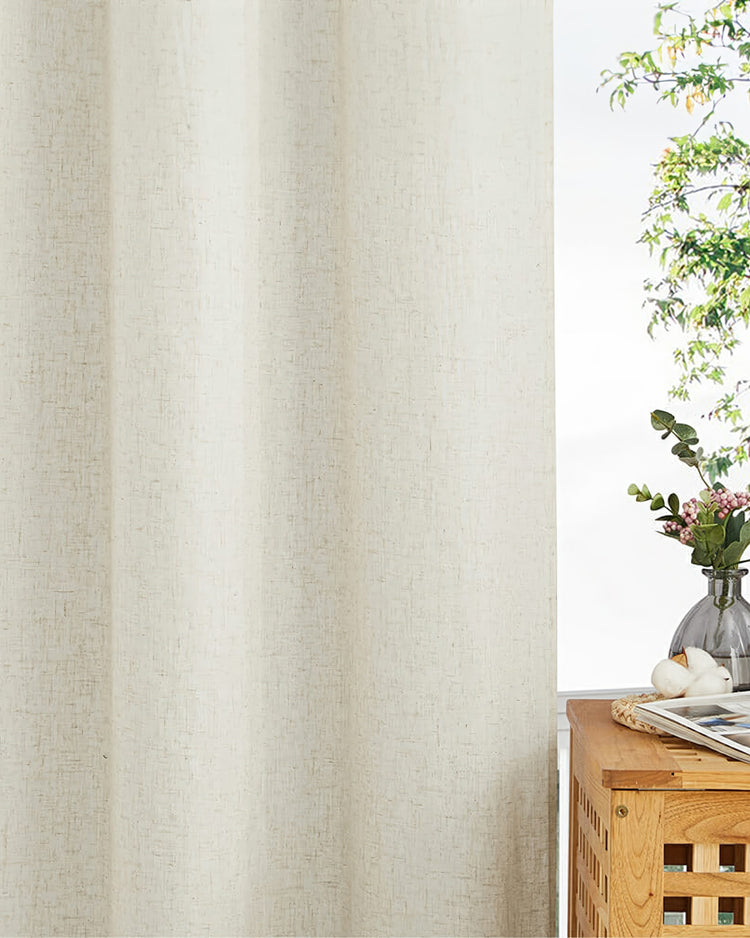
 Plant-based fiber
 Organic hand-feel
 Eco-conscious material
 Timeless elegance
What kind of curtains make a room feel finished?
Not every curtain setup creates the same result. The fabric matters, but the finished look usually comes from length, fullness, header style, lining, and placement working together.
| Detail | Usually feels more finished | Often looks unfinished |
|---|---|---|
| Length | Floor-length or just touching the floor | Panels that stop too high above the floor |
| Fullness | Visible folds when open and closed | Flat, stretched fabric |
| Header | A style that matches the room and hardware | A header that fights the room style or glides poorly |
| Lining | Enough body for privacy, comfort, and structure | Panels that feel thin or flimsy for the room |
Choose floor-length panels for living rooms and bedrooms
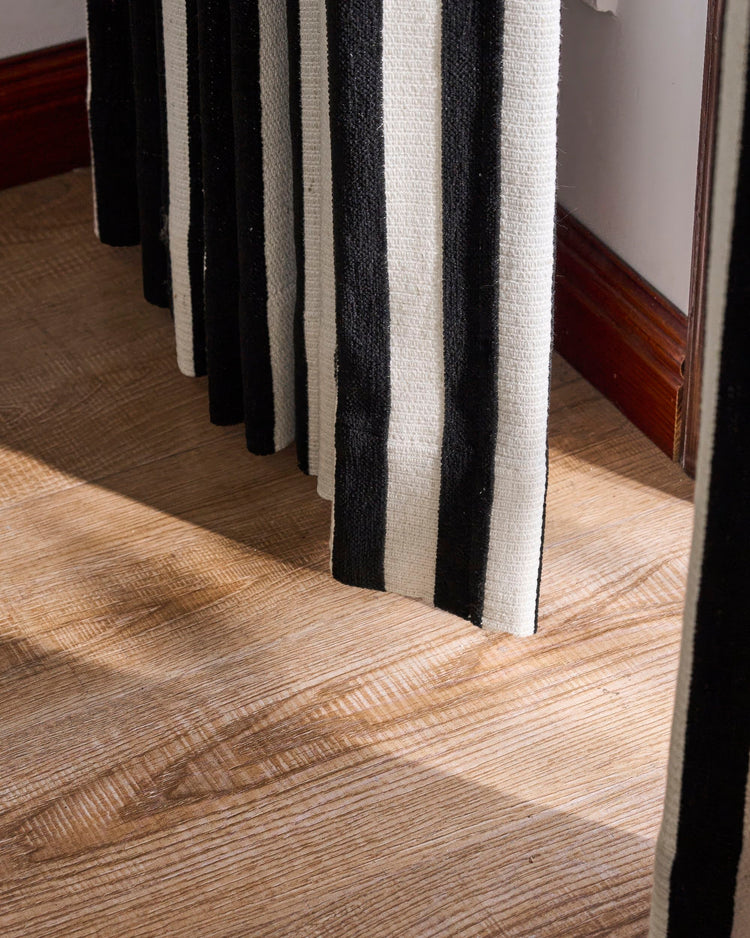
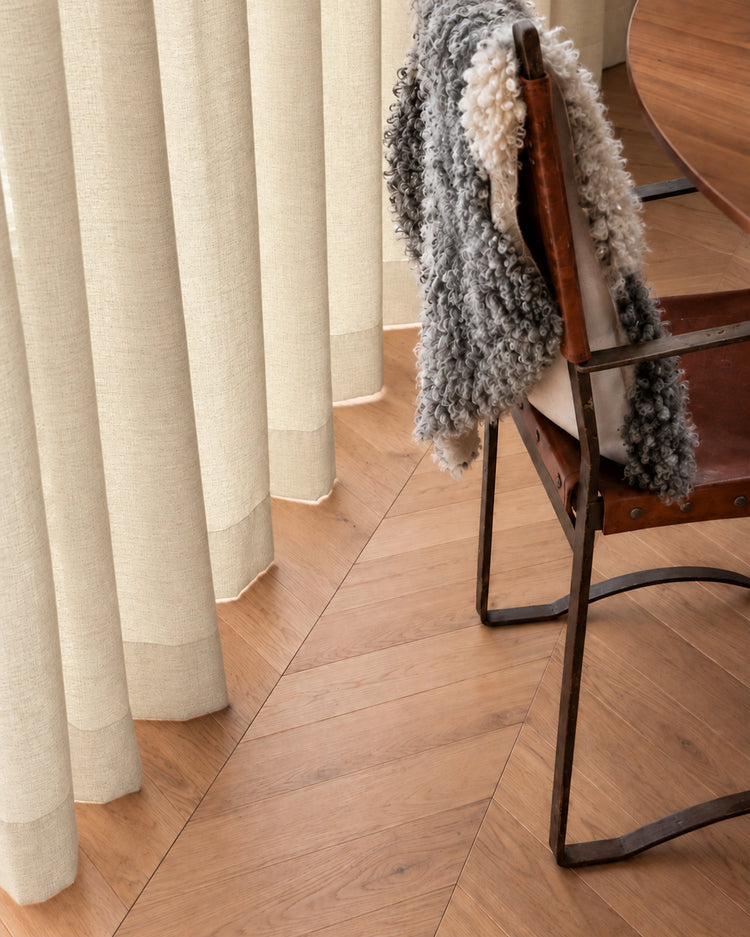
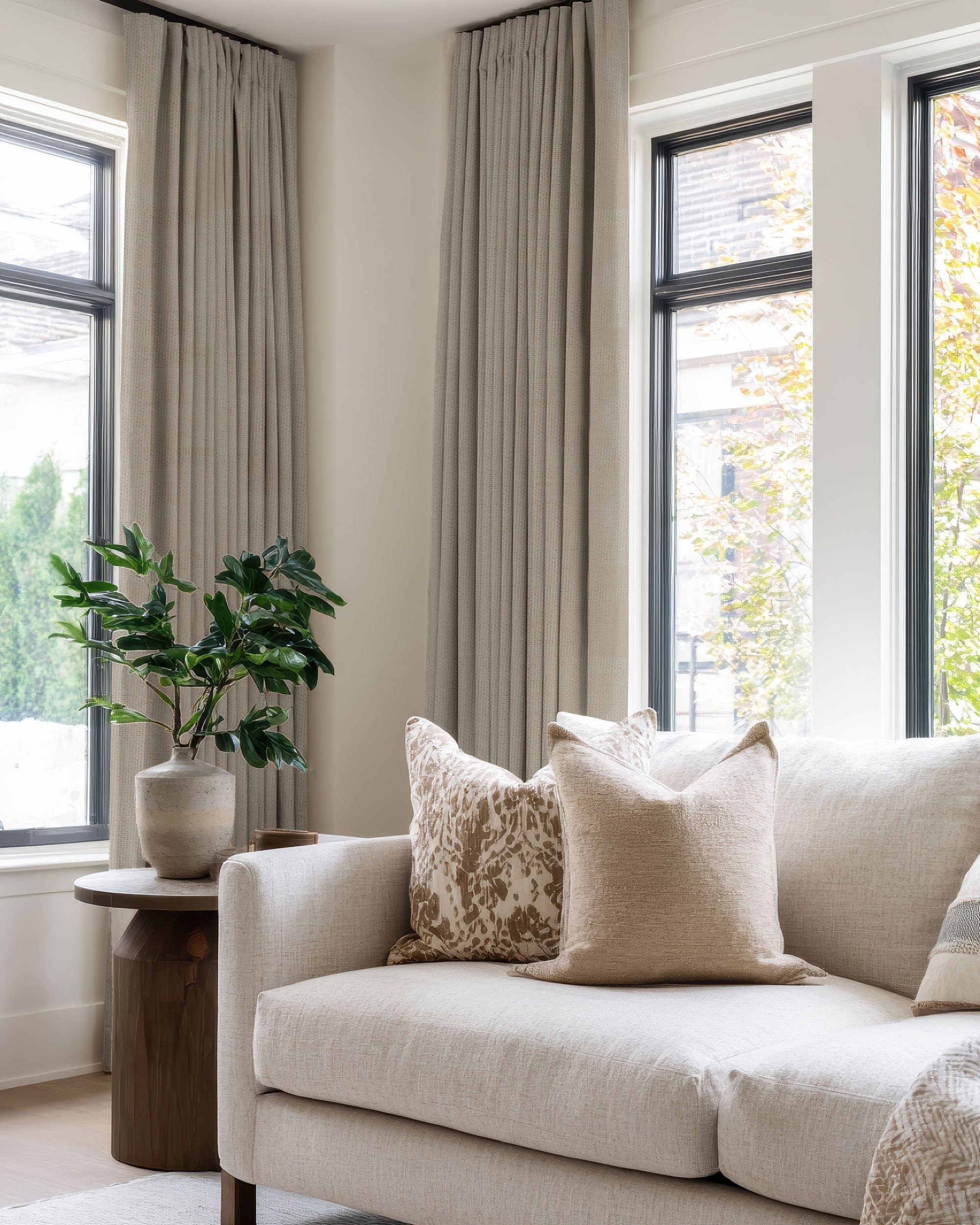
Curtains that stop several inches above the floor often look accidental. In most living rooms and bedrooms, floor-length panels create a cleaner and more finished result.
That does not mean every room needs dramatic puddling. For a calm tailored look, choose panels that just meet the floor or hover slightly above it.
Use enough fullness
Fullness is what keeps curtains from looking flat. Panels need enough width to create folds when closed and still look substantial when open.
If you are deciding between one panel and two, TheHues' guide on one curtain panel or two can help. Panel count and fullness change how balanced the whole window feels.
Match the header style to the room
Header style affects both function and mood. Pleated headers usually feel more tailored. Grommets feel more casual and modern. Back tab and rod pocket styles can look softer, depending on the fabric and how often you open the curtains.
If you are unsure which style fits your room, review the TheHues curtain header guide. It is easier to choose once you can compare how each header changes the drape line.
Choose lining based on the room's job
Lining is not only about blocking light. It also affects how the curtain hangs, how much privacy it gives, and how much body the panel has.
For bedrooms, blackout curtains often make sense when you need darkness, privacy, and a more complete finished look. For colder or draftier rooms, thermal curtains can help the space feel more comfortable, especially when paired with proper coverage and fit.
Before choosing, compare liner options in the TheHues curtain liner guide. The right liner should support the room's real needs without making the panels feel heavier than necessary.
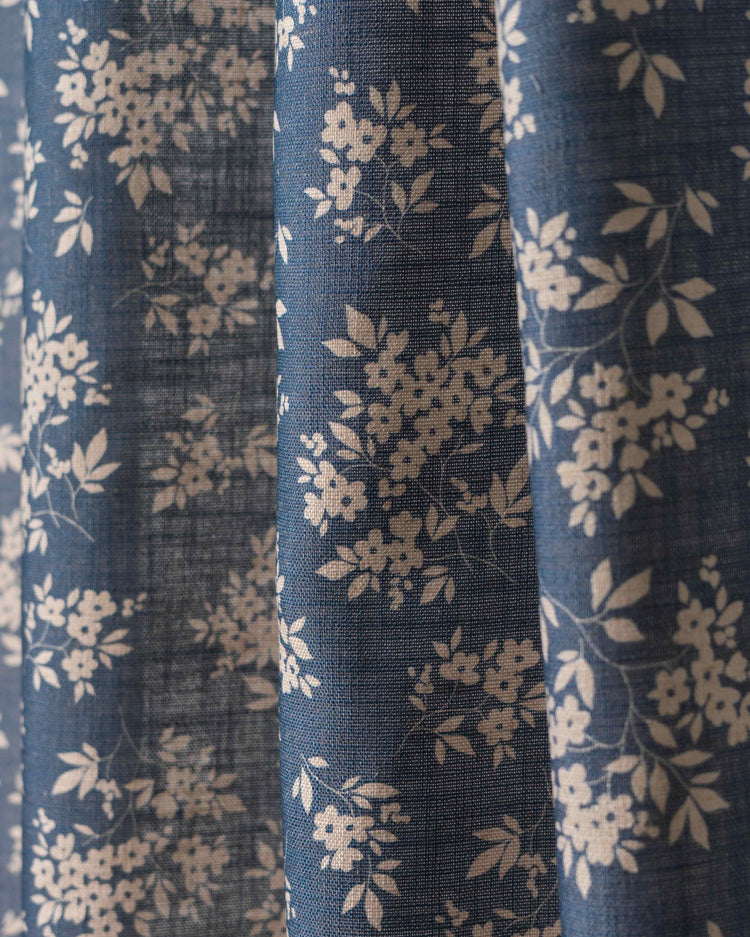
 Kid-friendly
 OEKO-TEX® Certified
 Durable
 Low maintenance
When you may not need curtains
There are real situations where curtains may not be the best answer. Knowing when to skip them helps the room feel intentional instead of overdone.
Small or awkward windows
If the window is tiny, very narrow, or crowded by cabinetry, curtains can add more fuss than benefit. In that case, a clean shade may look better and function better.
Kitchens and some bathrooms
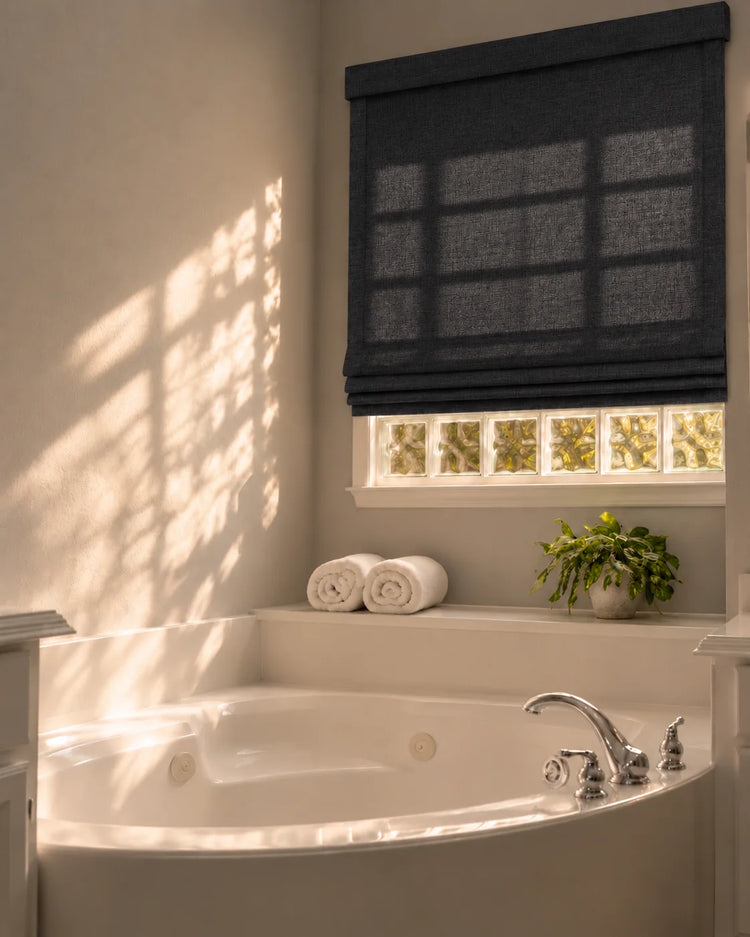
Moisture, grease, splashes, and frequent cleaning can make full-length curtains a poor fit in some kitchens and bathrooms. Short cafe curtains, Roman shades, roller shades, or other low-profile treatments may be easier to maintain.
Rooms with a great view and enough privacy
If the window frames a beautiful view and privacy is not a concern, you may prefer a lighter treatment or no fabric at all. This can work well in modern interiors when the room already has enough warmth from wood, rugs, upholstery, or wall color.
Rooms that already have a strong window treatment
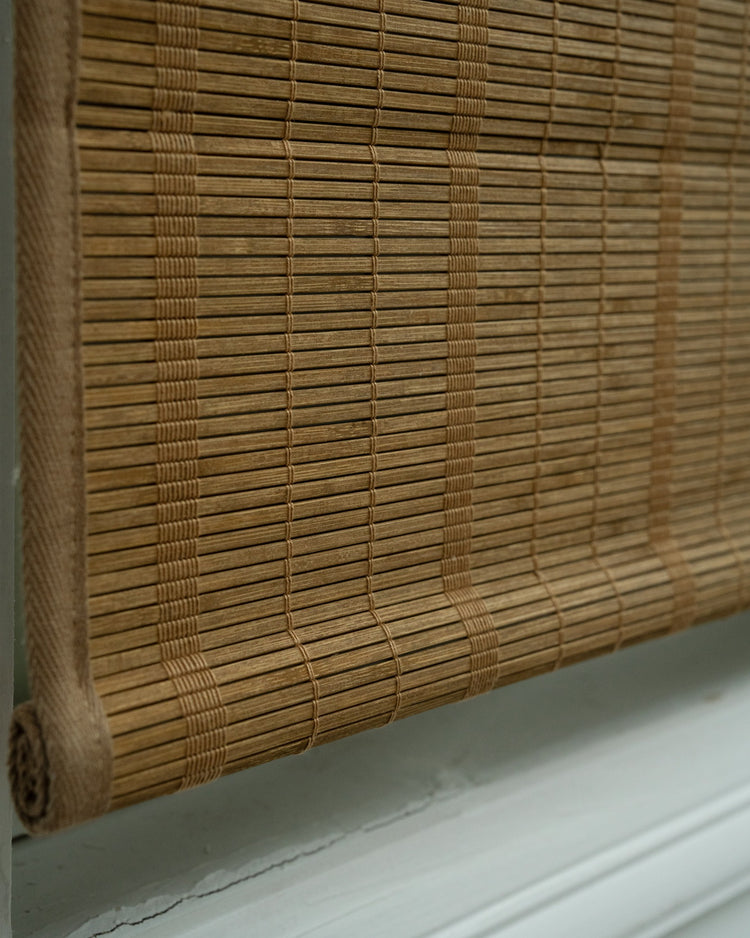
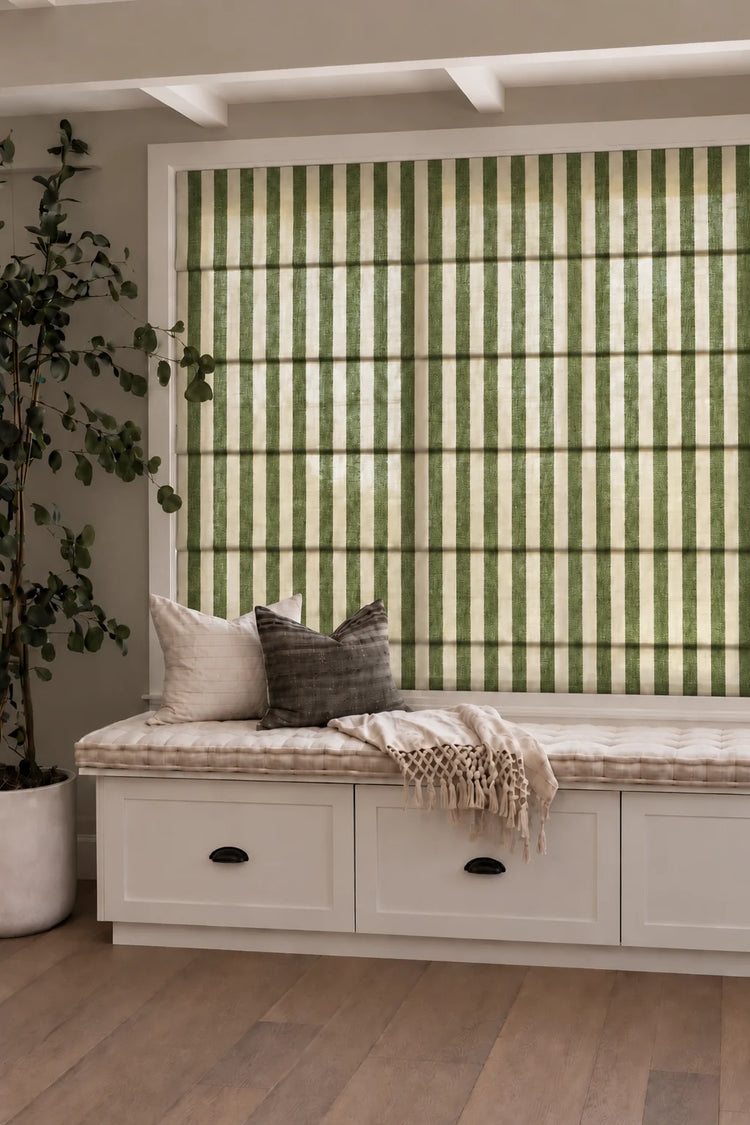
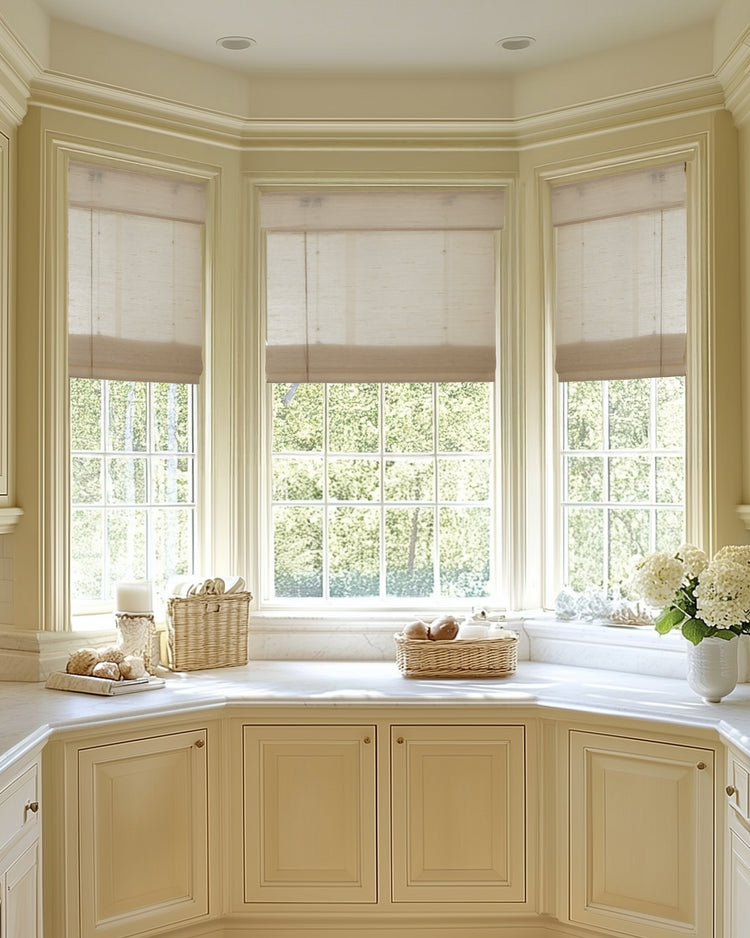
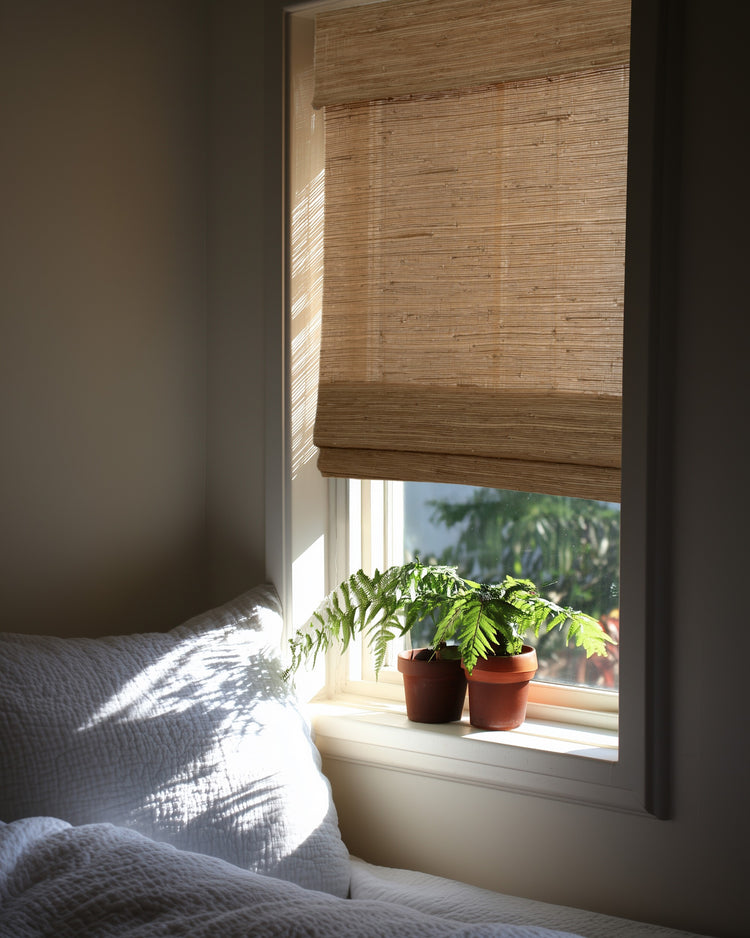
A well-fitted Roman shade, woven shade, or shutter can finish a room on its own. The question is not whether curtains are always necessary. The better question is whether another treatment is already doing the visual and functional job well.
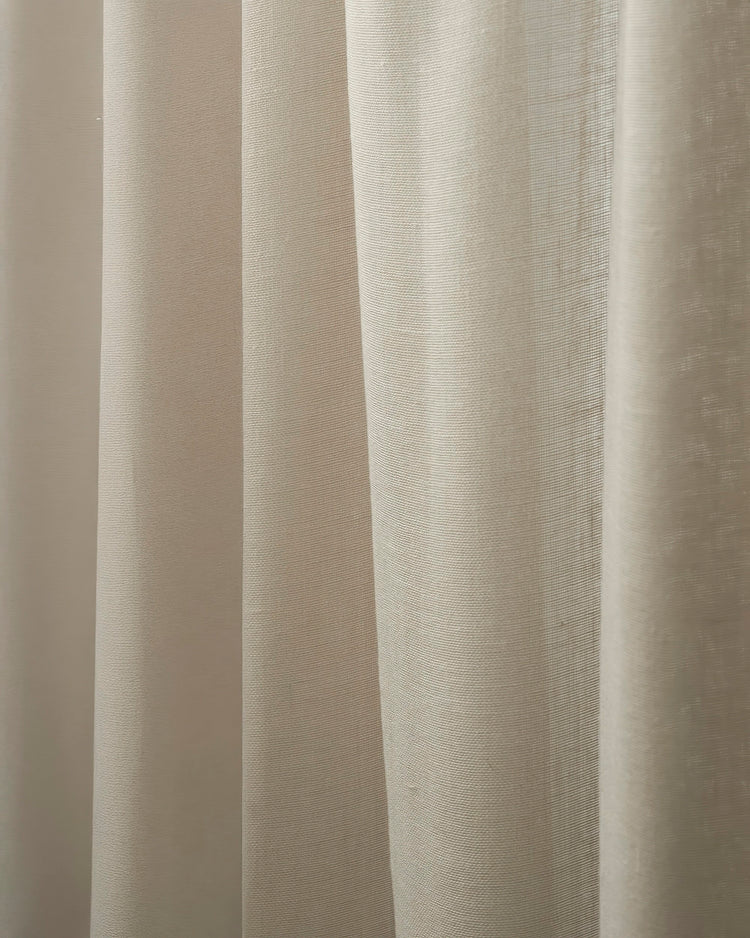
If you want filtered light and softness without a heavy look, sheer curtains can be a useful middle ground. They add movement and texture while keeping the room bright.
Common mistakes that keep curtains from looking finished
Sometimes people install curtains and still feel disappointed. Usually, one of these details is the reason.
The curtains are too short
Short curtains can make the window feel disconnected from the floor. The setup looks temporary instead of resolved.
The rod is too low or too narrow
A low rod can make the wall feel shorter. A narrow rod keeps the fabric covering glass even when the curtains are open. Both choices can make the window and the room feel smaller.
The panels are too thin for the opening
You need enough fabric for visible folds. Flat, stretched panels tend to look underdressed, especially on wide windows or sliding doors.
The fabric does not match the room's purpose
Sheer panels in a bedroom with harsh morning sun may look pretty but still fail the room's main job. A living room that feels hard or echoey may need lined curtains or a more substantial fabric instead of the lightest option available.
The setup ignores wide-window scale
Large openings usually need more width, smarter rod placement, and careful stack-back planning. If you are planning a bigger opening, TheHues' article on curtains for wide windows can help you avoid common proportion mistakes.

Do you need curtains if you already have blinds?
Sometimes, yes. Blinds handle privacy and light control, but they do not always finish the room visually.
Because blinds sit close to the frame, they usually do not add much softness, height, or width. Curtains layered over blinds can give you both systems: precise light control from the blinds and a more complete visual frame from the curtains.
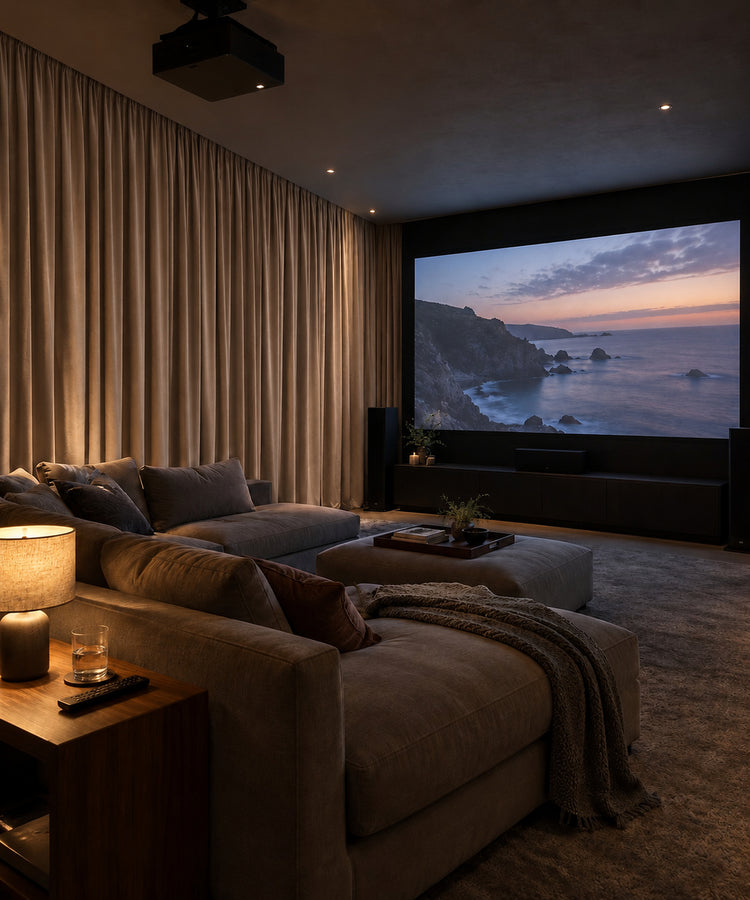
This approach works well in bedrooms, media rooms, street-facing living rooms, and home offices where you want the practical control of blinds but a warmer finished look.
When custom curtains are worth it
Ready-made panels can work in simple spaces, but custom sizing is often worth it when the finished look depends on fit, not just color.
Tall ceilings
Standard lengths can look slightly off in taller rooms. Made-to-measure panels keep the line clean from rod to floor.
Extra-wide windows and sliding doors
Large openings need enough width and stack-back space. If the panels are undersized, the room may never look fully settled.
Bedrooms that need real privacy or darkness
Bedrooms often need more than decoration. They need softness, privacy, and better light control. Custom width, better lining, and fuller coverage can make a clear difference.
Rooms where you want a tailored look
If the goal is a polished finish, custom curtains help because the key details work together: height, width, header choice, fullness, lining, and function.
If you are between options, use the TheHues free design service. A room photo and a few measurements can help you avoid curtains that are technically workable but visually wrong.
Quick checklist: does your room need curtains?
Use this checklist before you decide.
- The room feels exposed at night.
- Morning light, afternoon sun, or glare makes the space uncomfortable.
- The window looks disconnected from the rest of the wall.
- The room feels hard, flat, or slightly echoey.
- The ceiling or window would look better with a taller visual line.
- Your current blinds or shades work functionally but still feel unfinished.
- The room already has enough privacy, texture, and warmth without another layer.
If several of the first six points feel familiar, curtains will likely improve the room more than another small decor purchase. If the last point is already true, you may not need them.
FAQ: Do you need curtains?
Do curtains make a room look more finished?
Yes, they often do. Curtains frame the window, soften hard surfaces, add texture, and help the room feel more intentional. The effect is strongest when the panels are the right length, fullness, and style for the space.
Can a room look finished without curtains?
Yes. A room can look finished without curtains if it already has strong window treatments, enough privacy, good light control, and enough softness from rugs, upholstery, wood, or other materials.
Are curtains better than blinds?
Not always. Blinds are useful for precise light control and compact windows. Curtains are better when you want softness, height, texture, and a more finished wall. Many rooms work best with both.
Should curtains touch the floor?
In most living rooms and bedrooms, curtains look best when they just touch the floor or hover slightly above it. This creates a cleaner, more intentional line than panels that stop several inches short.
What curtains should I choose for a bedroom?
Start with privacy and light control. Blackout curtains are often a good choice for bedrooms, especially if morning light, streetlights, or privacy are concerns. Then choose the fabric, header, and color that fit the room style.
Final takeaway
You do not need curtains in every room. But if a space feels cold, exposed, flat, or unfinished, curtains are often the missing layer.
Start with the room's real problem. If you need darkness, compare blackout curtains. If the room feels drafty or exposed near large windows, review thermal curtain options. If you mainly want softness and daytime light, consider sheer curtains or lighter custom panels.
For the most polished result, confirm your size with the curtain measurement guide, compare styles with the visualization tool, or send your room details to the free design service.
The goal is not just to cover the window. It is to make the whole room feel complete.