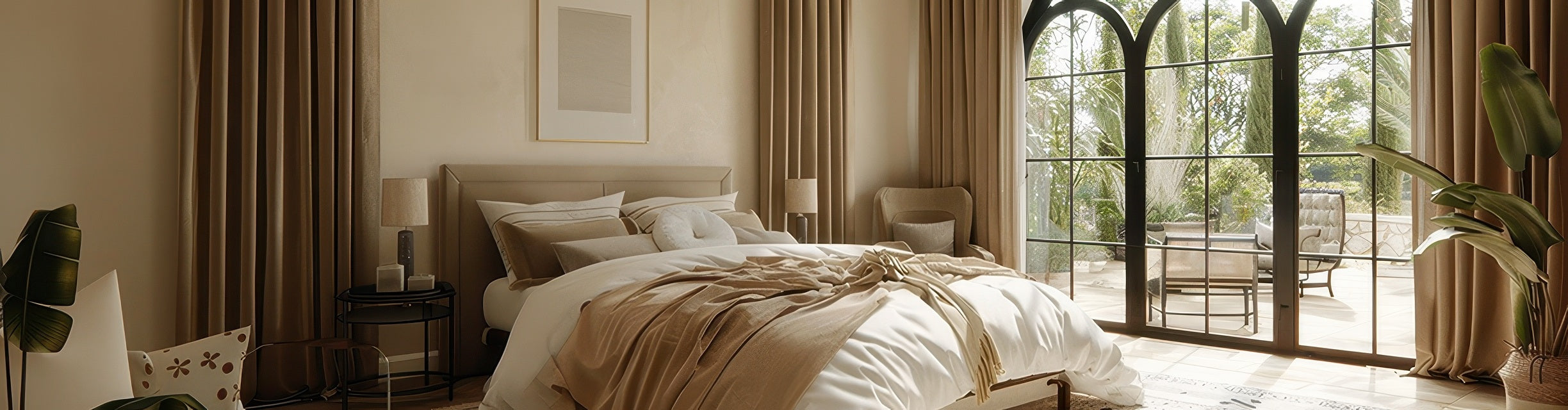
Ensuring True Darkness: 3 Ways to Verify the Quality of Your Blackout Curtains

In this article 7 sections
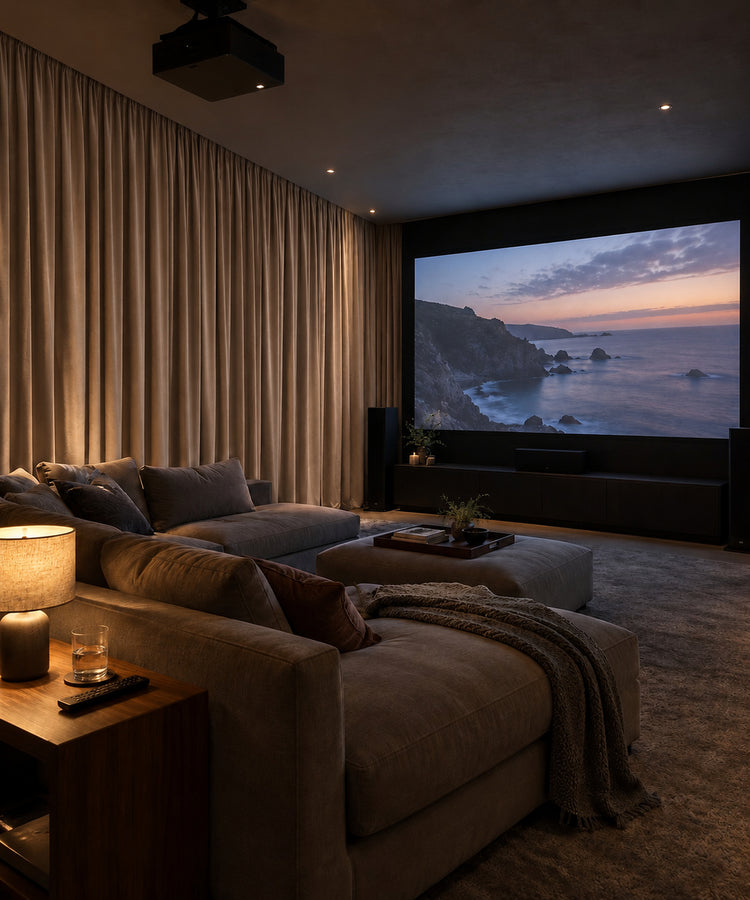
Blackout curtains are usually chosen for a clear reason: you want a darker room for sleep, screen time, a nursery, or a home theater. But not every light-blocking curtain performs the same way, and some panels labeled “blackout” may still let a soft glow through during strong daylight.
The good news is that you can check the difference before committing to an installation. By looking at the fabric construction, testing the panel against direct light, and reviewing the way the curtains are mounted, you can tell whether the issue is the curtain itself or the gaps around the window.
Blackout vs. room darkening: what the label really means
One common source of confusion is the difference between blackout curtains and room darkening curtains. Both can make a room feel more comfortable, but they are not always designed for the same level of light control.
Use this simple comparison as a starting point:
| Category | What it does | Best for | What to expect |
|---|---|---|---|
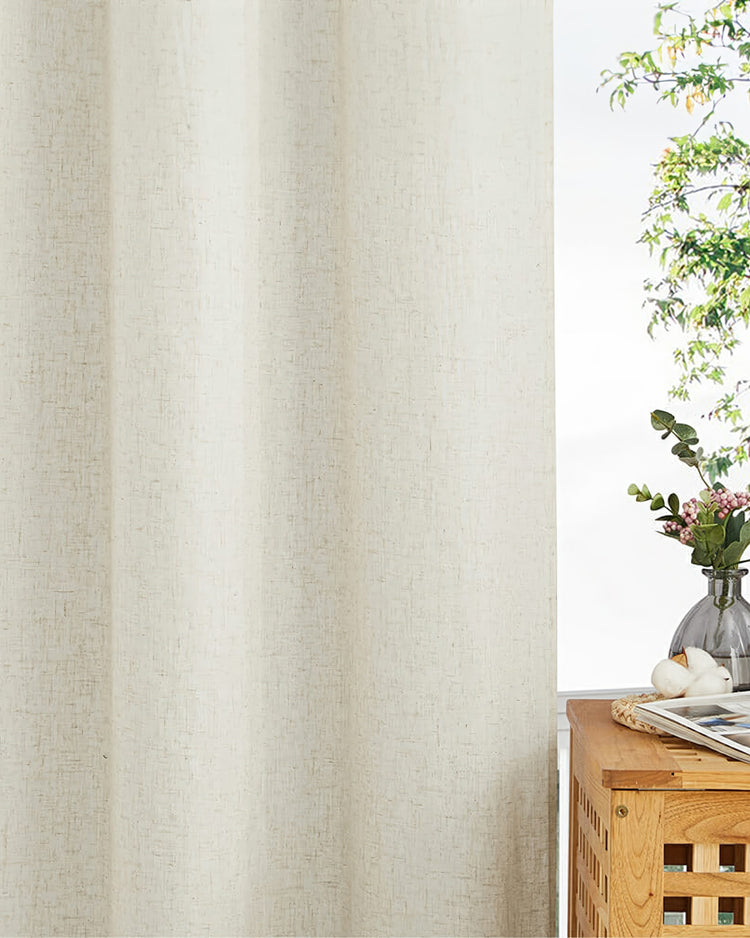
| Light filtering | Softens glare while keeping natural light | Living rooms, kitchens, dining areas | A brighter room with some privacy |
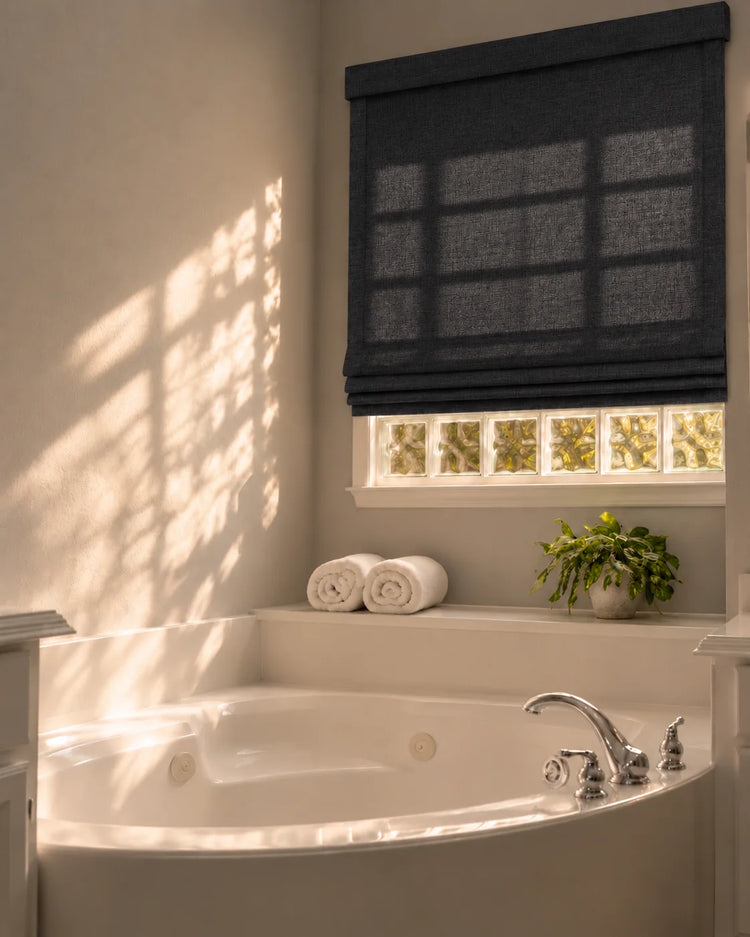
| Room darkening | Reduces a significant amount of light | TV rooms, guest rooms, multipurpose spaces | A dimmer room, but some daylight may remain |
| Blackout | Uses a dense weave or liner to block much more light | Bedrooms, nurseries, media rooms, night-shift sleep | A much darker room when paired with the right installation |
If you are still choosing between light levels, TheHues' guide to blackout, room darkening, and light filtering curtains is a helpful place to start.

How to test blackout curtains before installation
A quick flashlight test can help you understand whether the fabric is doing the work you need. This is especially useful if you ordered blackout curtains for a bedroom, nursery, or media room and want to check the panel before hanging hardware.
- Dim the room. Turn off nearby lamps so the fabric is easier to judge.
- Use one layer of fabric. Open the package enough to access the panel without stretching or damaging it.
- Place a phone flashlight behind the fabric. Hold the light close to the back of the curtain.
- Check the front side. If you see a strong glow, the curtain may be room darkening rather than true blackout for your needs.
This test is not a lab measurement, but it is a practical way to compare fabric density and lining before you install the panels.


 100% Blackout
 Better sleep
 Noise Reducing
 Energy Saving
Triple weave vs. coated blackout lining
Blackout performance depends heavily on how the curtain is made. Two common constructions are triple weave fabric and a separate coated or lined backing.
Triple weave fabric
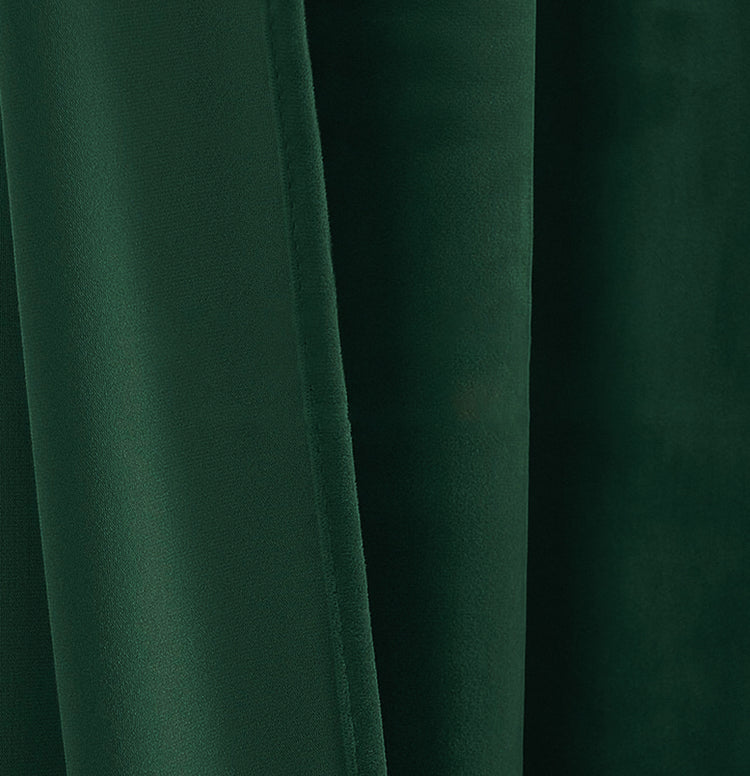
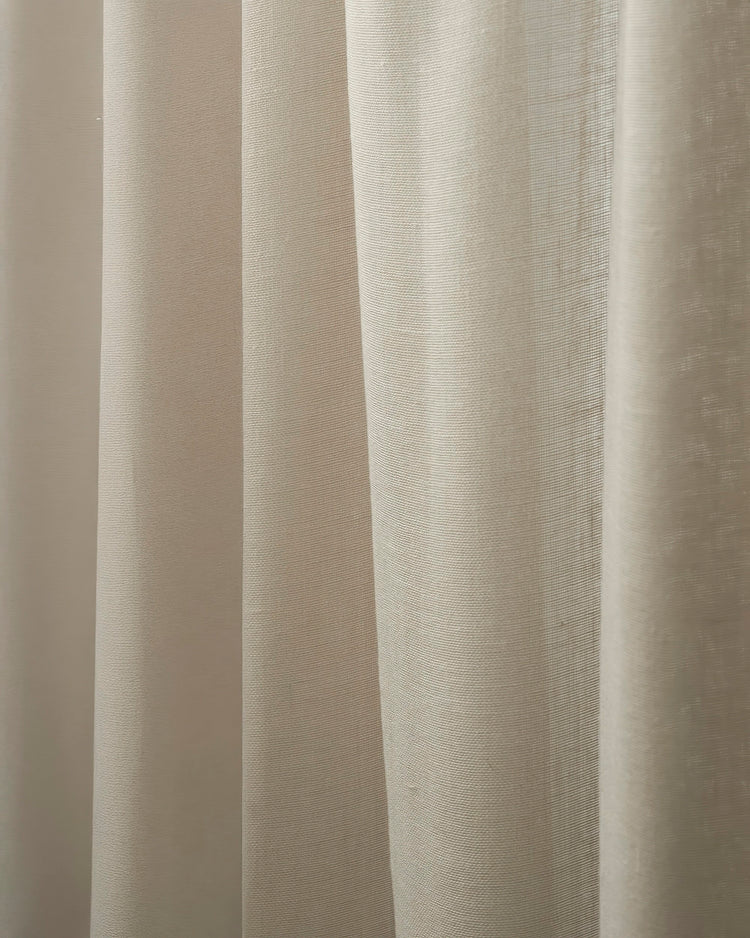
Triple weave curtains usually have a darker yarn woven between the front and back layers of fabric. They often feel soft, flexible, and easy to live with, which can make them a good choice for living rooms, guest rooms, and spaces where you want less glare without making the room feel too heavy.
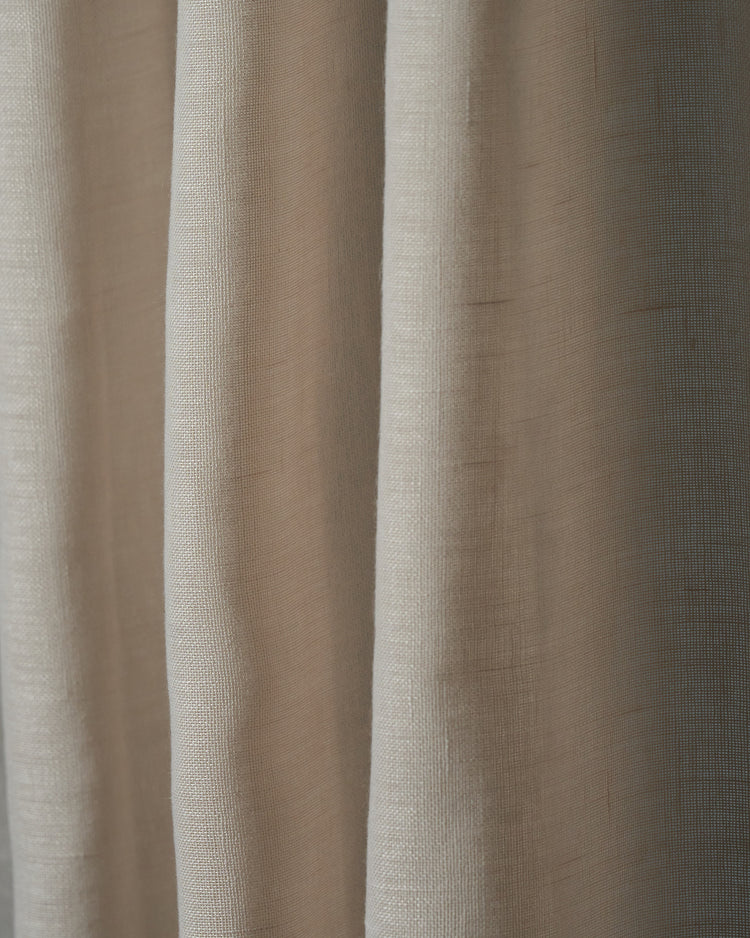
However, lighter triple weave fabrics may still show a soft glow when strong sunlight hits the window. That does not always mean the fabric is poor quality. It may simply mean it is better suited for room darkening than maximum blackout.
Coated or lined blackout curtains
Coated or lined blackout curtains use a separate backing layer that blocks light before it reaches the face fabric. This type of construction is usually the better choice when the room needs stronger light control, such as a bedroom, nursery, or home theater.

If light control is your top priority, compare the fabric and liner options carefully. TheHues' curtain liner guide can help you understand which lining makes sense for your room.

If the fabric passes the test but the room is still bright
Sometimes the curtain fabric is doing its job, but light still slips around the edges. This is often called a halo effect. It usually happens because the rod holds the curtain away from the wall, or because the panels do not extend far enough past the window frame.
Check these areas during the brightest part of the day:
- Top gap: Light above the rod may mean the curtain is mounted too low.
- Side gaps: Light at the edges may mean the panels need more wall overlap.
- Center gap: Light between two panels may mean the curtains need more overlap where they meet.
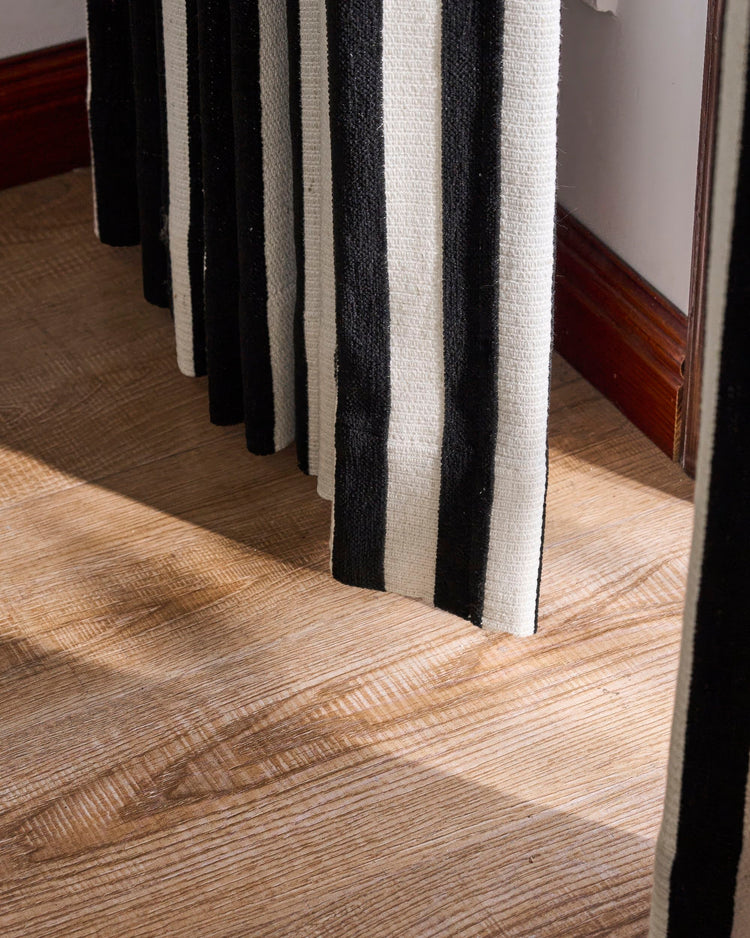
- Bottom gap: Light near the floor may mean the curtain is too short or not hanging close enough to the wall.

How to get better blackout performance
For a darker room, the fabric and installation need to work together. A well-lined curtain can still underperform if it is too narrow, too short, or mounted too close to the window frame.
These adjustments usually help:
- Choose a curtain width that gives the panels enough coverage when closed.
- Mount the rod higher and wider when your wall space allows.
- Use a wraparound rod or return-style installation to reduce side light.
- Consider a separate blackout liner if you like your current curtains but need more light control.
- Use TheHues' curtain measurement guide before ordering custom sizes.
FAQ: testing blackout curtains
Can I improve my current curtains without replacing them?
Yes. If the fabric is only slightly too light, a separate blackout liner may help. If the fabric is fine but the room is still bright, adjust the rod height, rod width, or side coverage first.
Why do white blackout curtains sometimes look gray in sunlight?
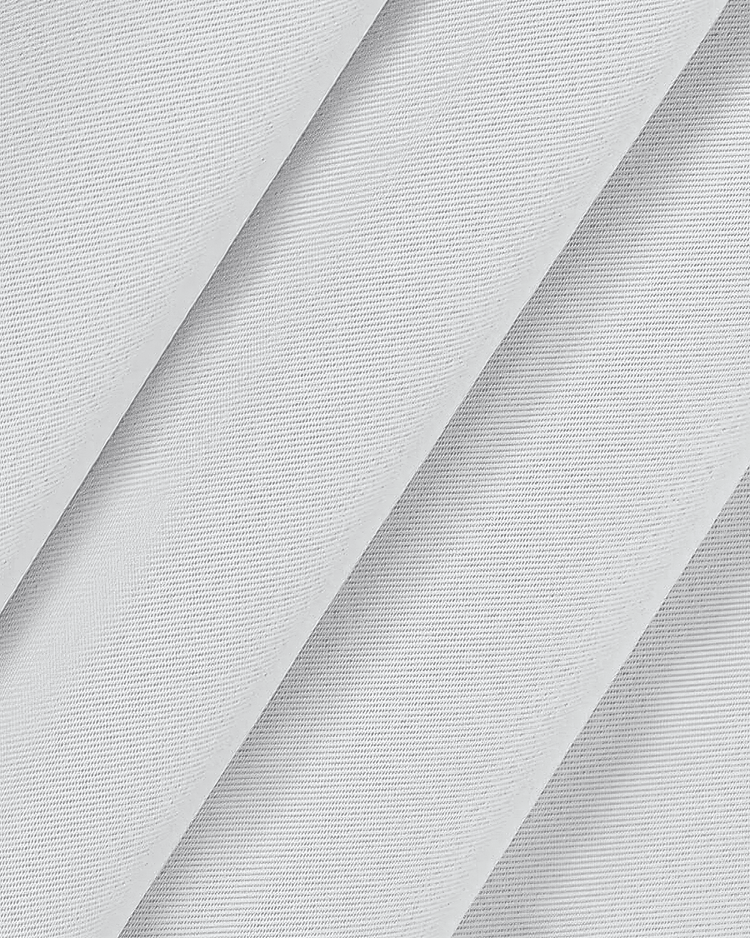
Some lighter blackout fabrics use darker inner yarns or backing layers to reduce light. In strong sun, that inner layer may subtly affect how the front color reads. A separate lined construction can help the face fabric look cleaner in bright rooms.
Does curtain color affect blackout performance?
Color can matter for some room darkening fabrics because darker colors absorb more visible light. With a strong blackout lining, the liner usually matters more than the face color.
What should I choose for a bedroom?
For a bedroom, start with blackout curtains or custom curtains with a blackout liner. Then make sure the panels are measured to cover the window with enough height, width, and side overlap.
Final takeaway
Blackout curtains work best when the fabric, lining, and installation are planned together. Before assuming the curtain is the problem, test the fabric, check the lining, and look for light gaps around the window.
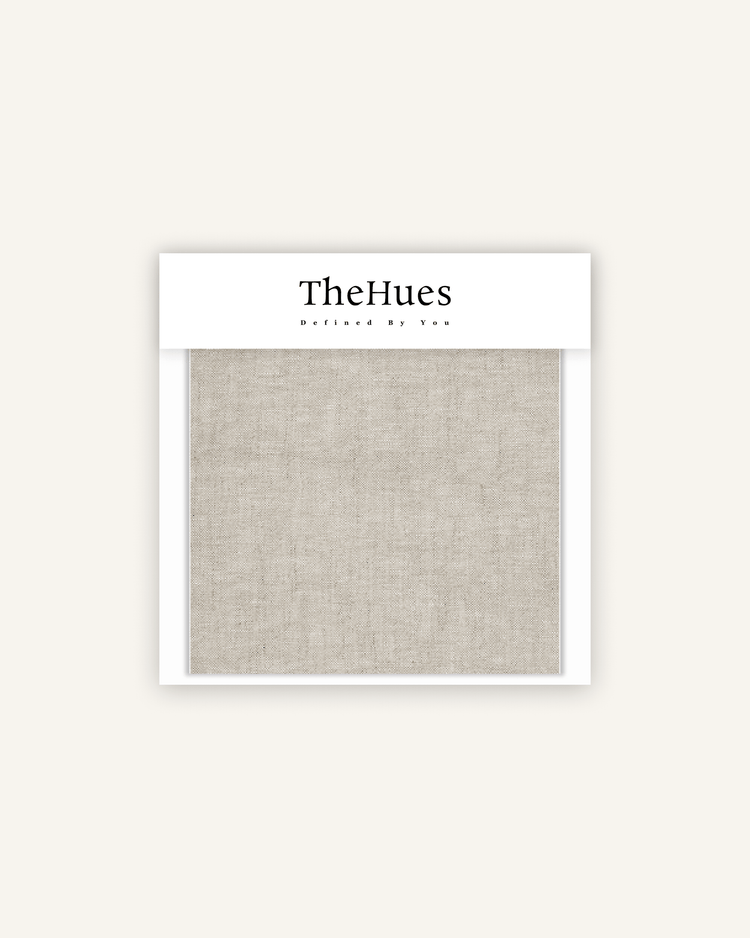
If you are ordering a new set, start with curtain swatches, review your liner options, and use the TheHues visualization tool to compare how different fabrics may look in your room.