How Much Curtain Fullness Do You Need? A Guide to Different Header Styles


In this article 6 sections
Choosing the right curtain fullness affects how your curtains drape, how their folds look, and how well they frame your windows.
Since different header styles and fabrics distribute fullness differently, there is no one-size-fits-all ratio. This guide explains the key factors to consider and how to choose the right fullness for your curtains.
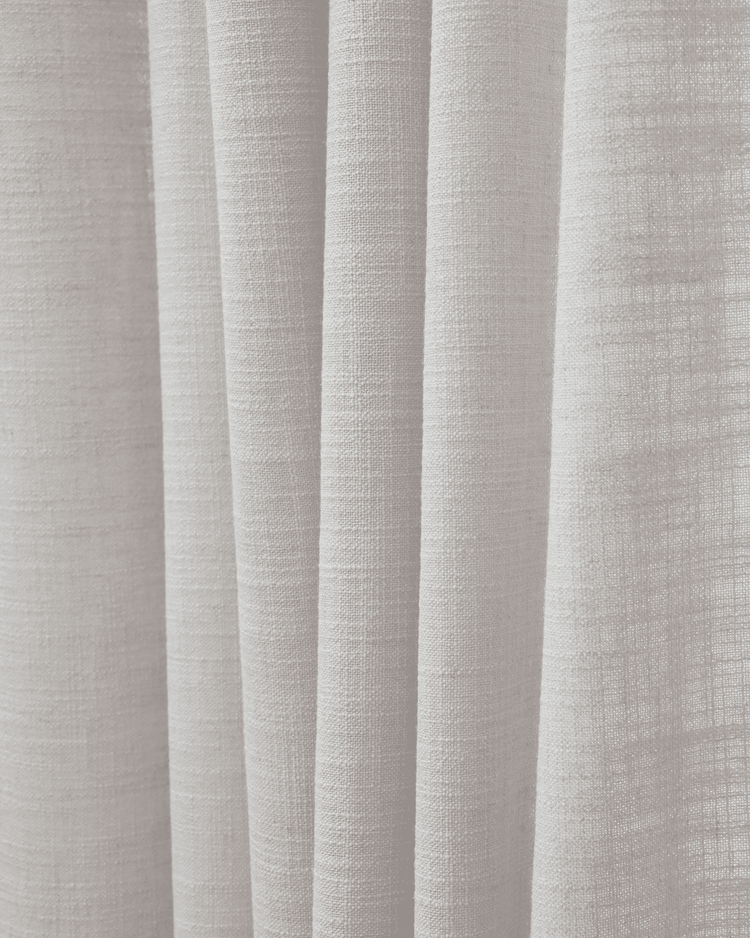
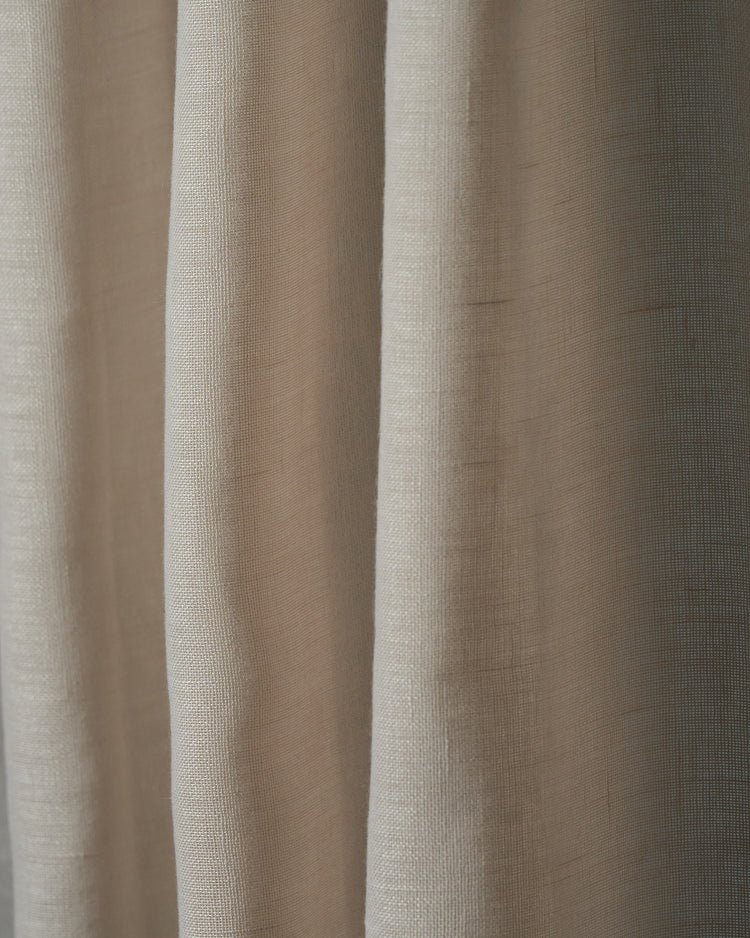
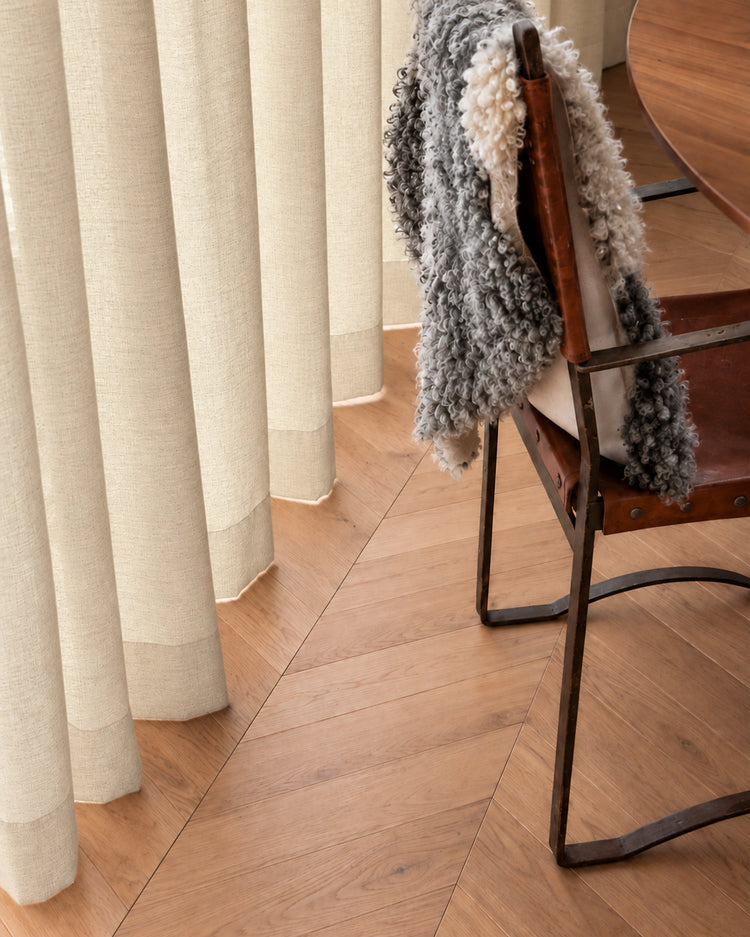
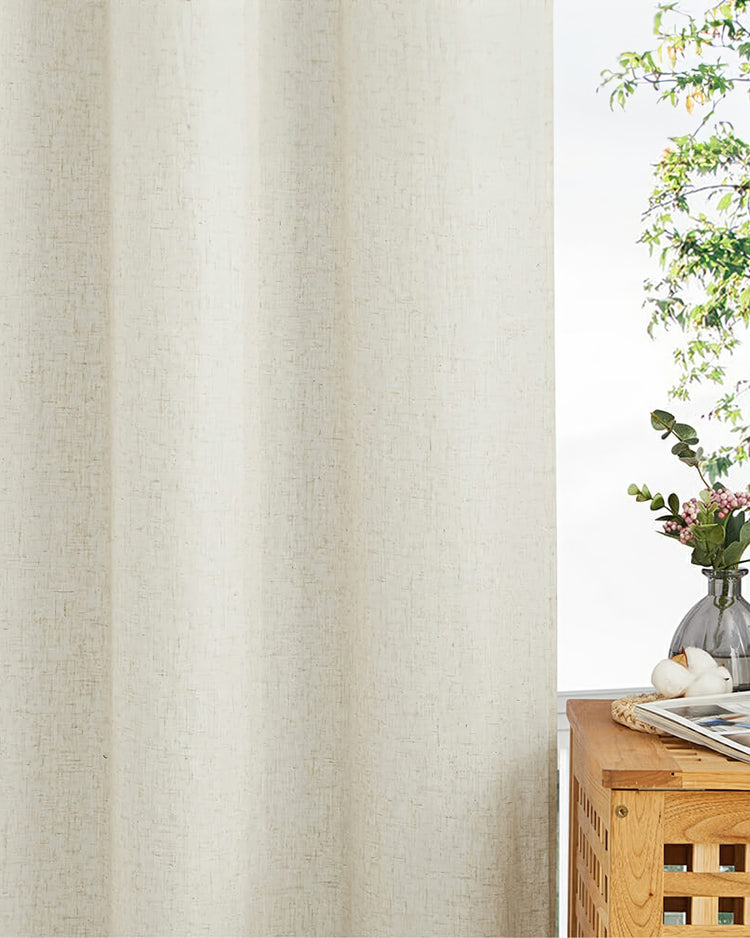
 Inspired by @interiorbymeryem. A refined 1.1x fullness ratio on Double French Pinch Pleats using Sunveil / Beige. Perfect for homeowners who want clean-lined drapery proportions without heavy stackback bulk.
1. What Is Curtain Fullness?
Curtain fullness refers to the amount of fabric used in relation to the finished width the curtains need to cover. It determines how gathered or folded the curtains look when closed.
Generally, more fabric creates fuller, more pronounced folds, while less fabric creates a flatter appearance.
Fullness is often expressed as a ratio, but how it is calculated depends on the curtain construction. Gathered curtains, pleated headers, and track-based systems may each use different methods.
That's why choosing the right fullness isn't simply about selecting a number. The curtain header style and fabric both matter.
2. How Does Curtain Header Style Affect Fullness?
The header is the top part of a curtain that attaches to a rod or track. Different header styles create different folds and distribute fabric differently, so the same amount of fabric can produce very different results.
Here are some common curtain header styles and what to consider when choosing their fullness.
Pinch Pleat Headers
Pinch pleat curtains feature evenly spaced, sewn-in pleats that create structured, decorative folds. The fabric is gathered and stitched into shape, giving the curtains a tailored appearance.
There are several types of pinch pleat headers, each creating a slightly different look:
-
Double French Pinch Pleat: Features two folds pinched together at the base, creating an elegant, structured look with soft, full folds.
-
Triple French Pinch Pleat: Features three folds gathered together, creating a more elaborate and decorative header.
-
Goblet Pleat: Has rounded, cup-shaped pleats that resemble goblets, offering a more formal and distinctive appearance.
-
Euro Pleat: Features pleats pinched at the top rather than the base, creating a clean, modern look with a more relaxed fold.
Because the pleats are built into the curtain construction, the finished fullness is closely related to the pleat style, spacing, and design. Double and triple French pinch pleats, for example, have different fabric requirements.
If you're interested in achieving a particularly full and elegant look, see our another guide: [How to Achieve Rich Fullness with Double French Pinch Pleat Curtains].

Grommet Headers
Grommet curtains feature metal rings built into the top of the fabric, allowing the curtain rod to pass through. When hung, the fabric forms soft, evenly spaced waves. The grommet size and spacing influence the depth and appearance of these folds.
Soft Top Headers
Soft Top headers create a relaxed look without structured, sewn-in pleats. Common styles include:
-
Back Tab: Fabric loops are sewn onto the back of the curtain header, allowing the rod to slide through while keeping it hidden.
-
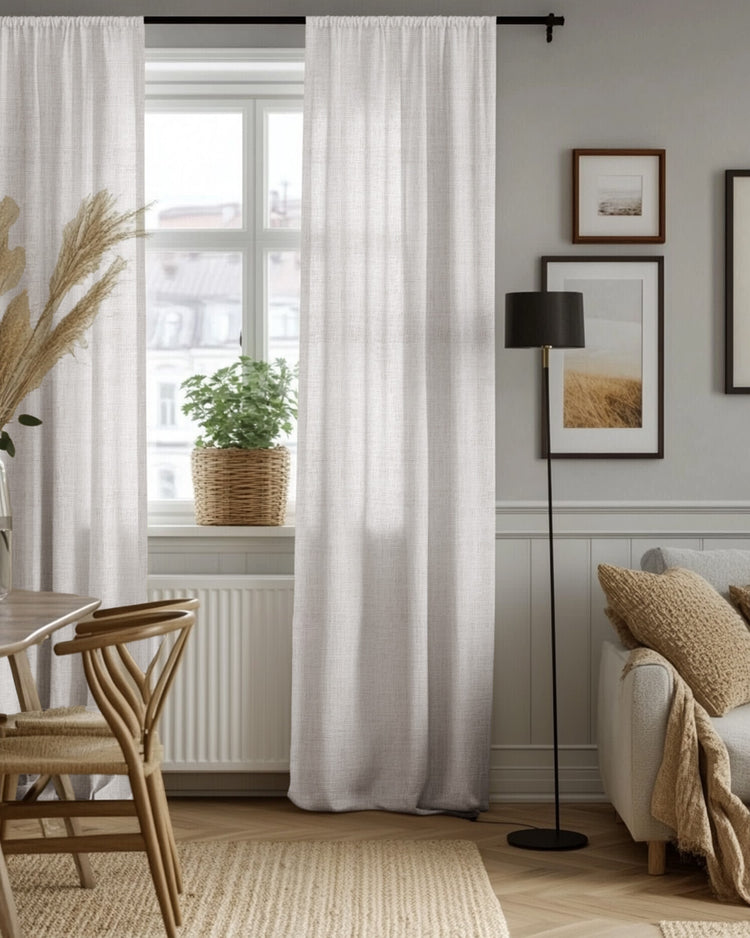
Rod Pocket: A sewn-in fabric channel runs along the top of the curtain, allowing the rod to pass through. It can feature a single or double pocket, depending on the design.
The amount of fabric used determines how gathered the curtains look when closed.

Ripple Fold Headers
Ripple fold curtains use a specialized track system with carriers to create consistent, flowing waves. Unlike traditional gathered curtains, their shape is determined by the track and its carrier spacing.
For TheHues Ripple Fold curtains, we use a dedicated track system with a 2.35x fullness ratio. The track length helps determine the finished coverage width, and the required fabric width is calculated according to this ratio and the track specifications.
This system creates consistent, evenly spaced waves across the curtains, making it a good choice for a clean, contemporary look. Explore all curtain header styles
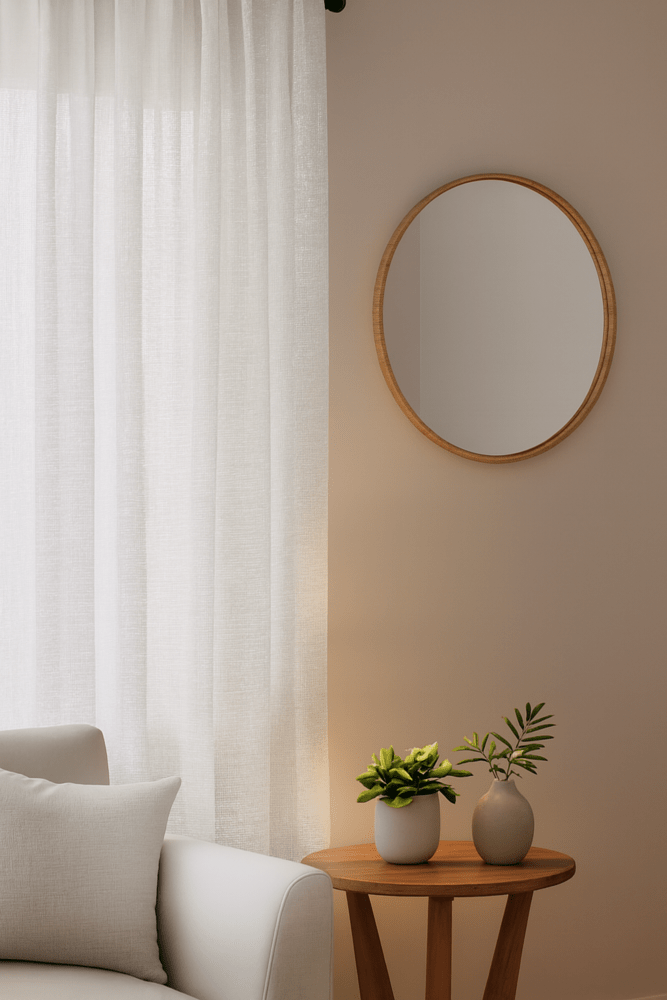
 Inspired by @interiorbyrumi, A luxurious 2.35x fullness ratio on Ripple Fold headers using Yarn / Natural. Delivers optimal wave depth and uniform pleat spacing for a modern architectural finish.
3. What Other Factors Affect Curtain Fullness?
Beyond the header style, the fabric itself and the overall curtain construction also influence how full the finished curtains look.
Fabric and Layer Configuration
Fabric weight, thickness, and drape all affect the final appearance of your curtains. Lightweight fabrics tend to create softer folds, while heavier fabrics and added lining can create more volume and bulk.
For layered curtains, consider the complete configuration before determining fabric requirements. Adding more layers does not automatically mean multiplying the fullness ratio.

4. How to Determine the Right Fullness for Your Curtains
Once you've considered the header style and fabric, you can determine the fabric requirements for your curtains.
Follow these steps to make a more informed decision.
Step 1: Choose Your Fabric and Layer Configuration
Start by deciding what type of curtain you want.
Will you use lightweight sheer fabric, a heavier decorative fabric, blackout lining, or multiple layers? Consider the thickness, weight, and drape of each material.
Finalizing your fabric and layer configuration first helps you account for the overall volume and weight of the finished curtains.
Step 2: Choose Your Curtain Header Style
Next, decide how you want your curtains to hang.
Whether you prefer structured pinch pleats, relaxed soft top headers, grommets, or flowing ripple folds, each header style has its own construction and fabric requirements.
Your choice will help determine how the fabric is gathered, folded, or distributed across the window.
Step 3: Confirm Your Window and Hardware Measurements
Before determining fabric requirements, make sure you have the correct measurements.
For rod-mounted curtains, consider the rod width and the area you want the curtains to cover. For track-mounted curtains, use the track length and the specifications of the chosen system.
Also consider whether the curtains should extend beyond the window frame and how much coverage you want when they are closed.
For more detailed measuring instructions, see our [Curtain Measurement Guide].
Step 4: Determine the Appropriate Fullness and Fabric Width
At TheHues, we use the following standard fullness ratios as a general guide:
-
Pleated Headers: 1.1x
-
Soft Top Headers: 2x for sheer, 1.5x for single- or double-layer blackout / room-darkening, and 1.2x for four-layer soundproof curtains.
-
Grommet Headers: 1.5x
-
Pleat Hook & Clip Ring Headers: 2x for sheer, 1.8x for single- or double-layer blackout / room-darkening, and 1.6x for four-layer soundproof curtains.
-
Ripple Fold Headers: 2.35x, based on the track length and system specifications.
These are standard recommendations. If you prefer a richer fullness or are unsure which ratio is right for your curtains, contact our support team for personalized guidance.
For help with measurements or fabric requirements, reach out to us at support@thehues.com.
5. Frequently Asked Questions About Curtain Fullness
How much fullness do curtains need?
There is no single fullness ratio that works for every curtain. The right amount depends on the header style, fabric characteristics, and overall look you're trying to achieve. Always check the specifications for your chosen curtain construction.
Does blackout lining affect curtain fullness?
Yes. Blackout lining adds weight and thickness to a curtain, which can affect how the folds hang and how bulky the finished curtain looks. Consider the lining when selecting your fabric and curtain construction.
Do different curtain headers require different fullness?
Yes. Different header styles gather and distribute fabric in different ways. For example, pinch pleats have fullness built into their pleat construction, while rod pocket curtains gather directly onto the rod. Ripple fold curtains follow the specifications of their track system.
Can curtains have too much fullness?
Yes. Too much fabric can make curtains look bulky, create overly dense folds, and make them harder to open and close. The goal is to achieve a balanced appearance that suits the fabric, header style, and window.
Does sheer fabric need more fullness than blackout curtains?
Not necessarily. Sheer fabrics often create soft, flowing folds, while blackout fabrics tend to be heavier and more structured. However, the ideal fabric amount depends on the specific material and header construction, not simply whether the curtain is sheer or blackout.
Final Thoughts
The right curtain fullness depends on how the fabric, header style, lining, and window measurements work together.
Rather than relying on one standard ratio, start by choosing your fabric and layer configuration, then select a header style and determine the fabric requirements based on its construction.
With the right combination, your curtains can achieve the look and drape you want while fitting your space beautifully.