How to Maximize Silence in Your Home Library


In this article 6 sections
In a world defined by constant connectivity and noise, true silence is a luxury. For bibliophiles, it is a necessity. A home library should be a fortress of solitude—a place where you can immerse yourself in a narrative without the intrusion of daily life. However, achieving that "pin-drop" silence is rarely as simple as closing a door.
Between the hum of appliances, street traffic, and household chatter, acoustic distractions are the enemy of deep reading. Fortunately, you don’t need to rebuild your walls to fix the problem. By understanding the principles of sound absorption and strategic furnishing, you can transform a noisy room into a true sanctuary. Here is how to engineer the perfect quiet for your home library.
Why "Acoustic Control" Matters for Your Library
Most people confuse "soundproofing" (blocking sound from entering) with "sound absorption" (stopping sound from bouncing around). While blocking outside noise completely often requires construction, you can significantly improve your reading experience by controlling how sound behaves inside the room. Hard surfaces create echoes that amplify noise. To create a library that feels hushed and cozy, you need to introduce soft, absorbent materials—specifically acoustic-grade textiles like heavy curtains.

1. Anchor the Room with Mass-Loaded Furniture
Furniture serves as your first line of defense against noise. Cheap, hollow furniture can actually act as a drum, amplifying vibrations. Instead, prioritize:
- Solid Wood Bookshelves: Mass stops sound. Floor-to-ceiling shelving with solid backing adds a literal extra layer of wall between you and the noise source.
- Upholstered Seating: Avoid sleek metal or hard plastic chairs. A large, fabric-upholstered armchair or sofa acts as a "sound sponge," absorbing sound waves rather than reflecting them.
Strategic Shelf Organization
Believe it or not, books are excellent insulators. Paper is dense and porous. To maximize the sound-dampening effect, pack your shelves relatively tightly. Avoid leaving large empty gaps on the shelves, which can create echo chambers. A fully stocked wall of books essentially acts as a secondary layer of insulation for the room.
2. Soft Furnishings: The Critical Factor
Once your furniture is in place, you must address the windows and floors. These are the two biggest culprits for letting noise in and bouncing it around.
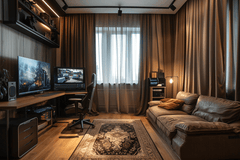
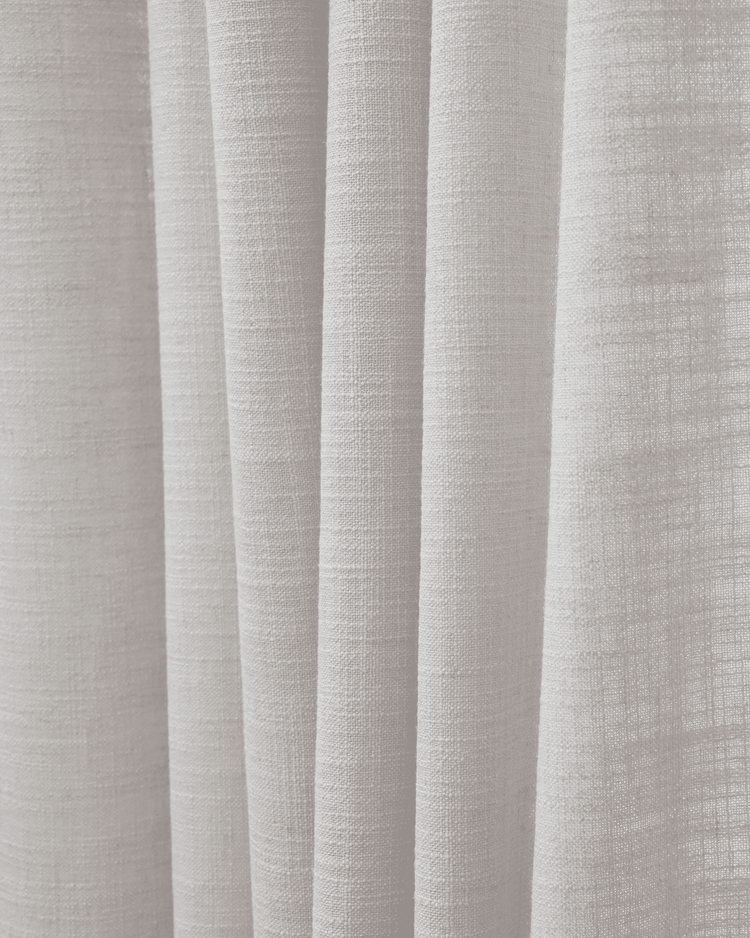
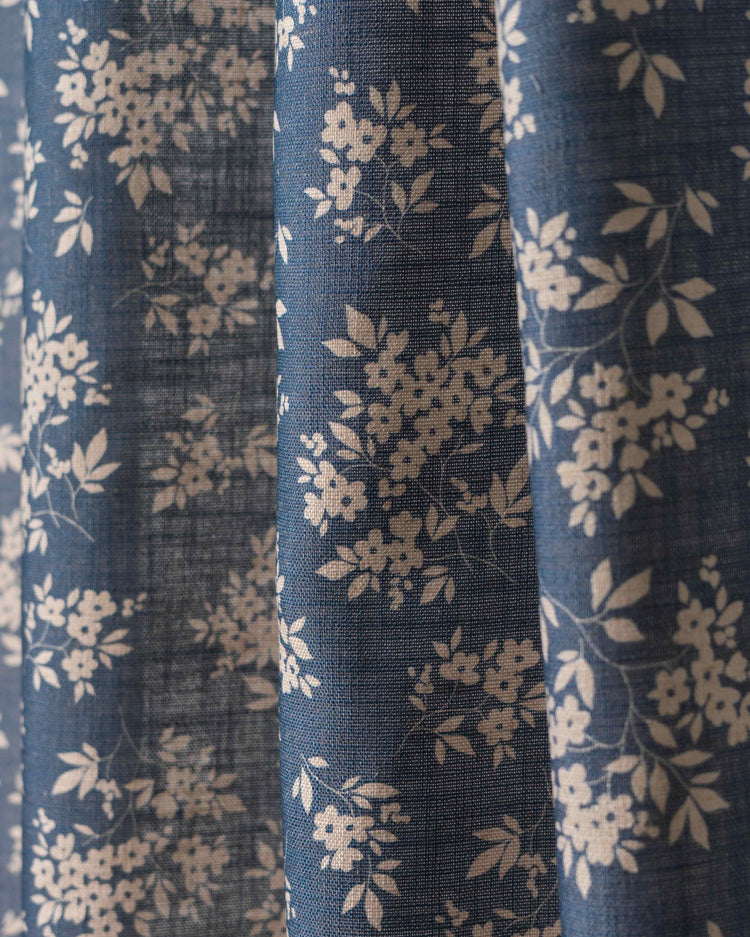
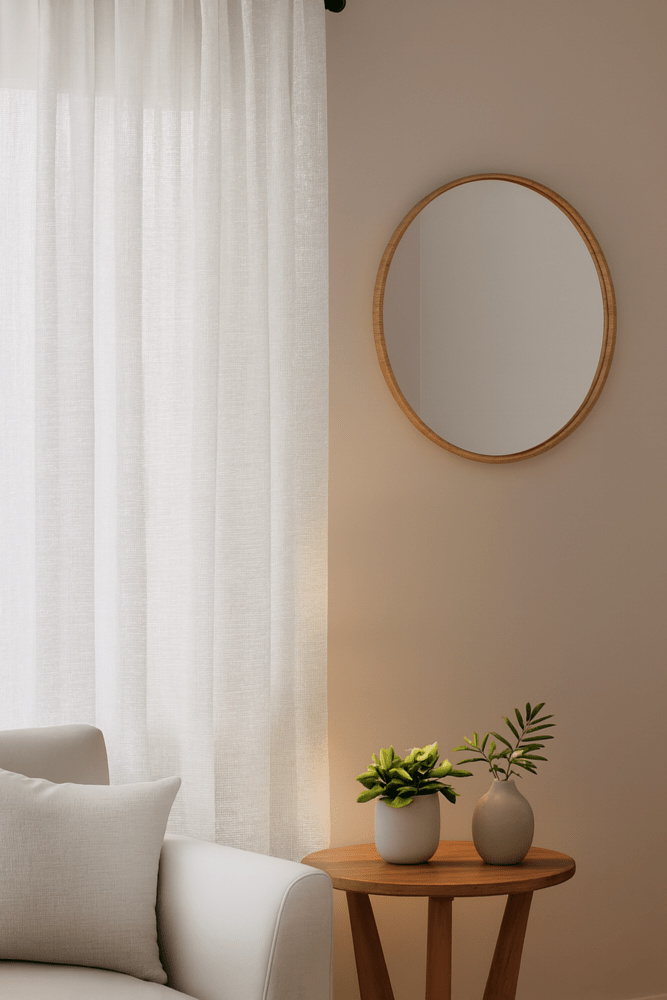
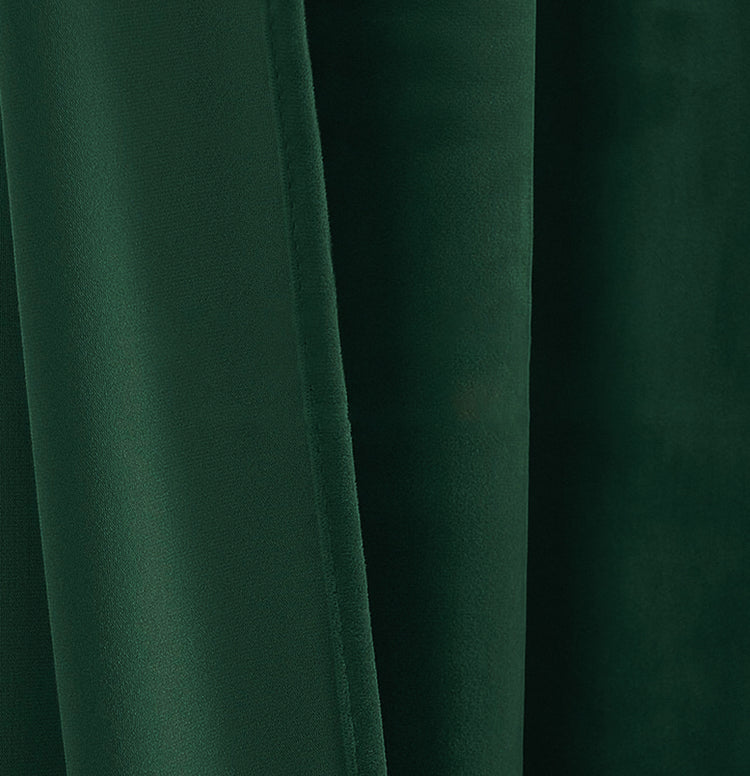
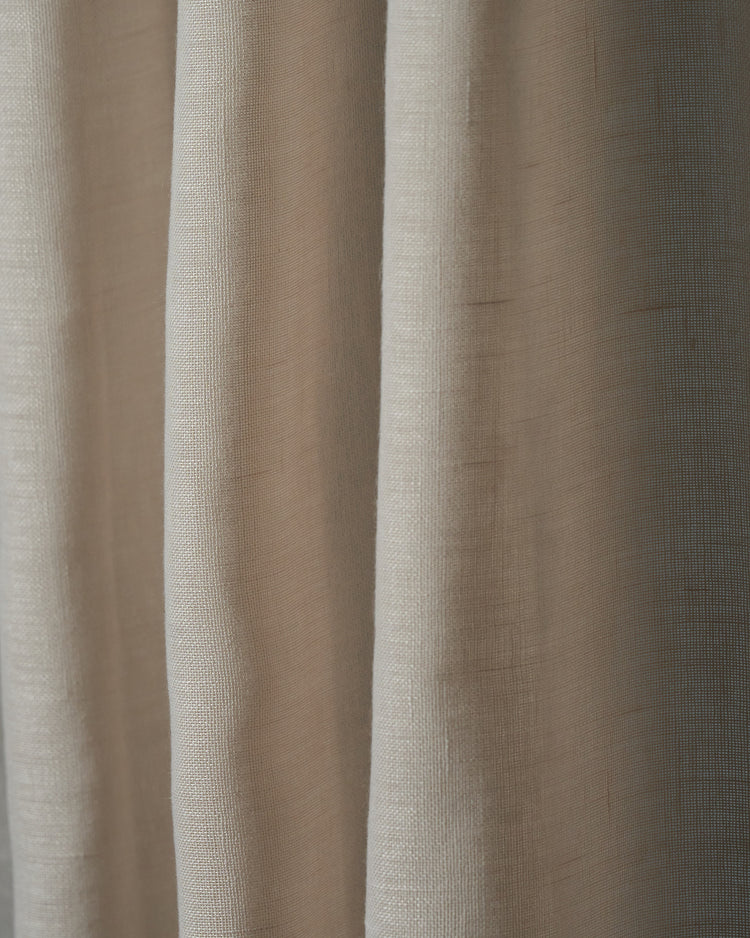
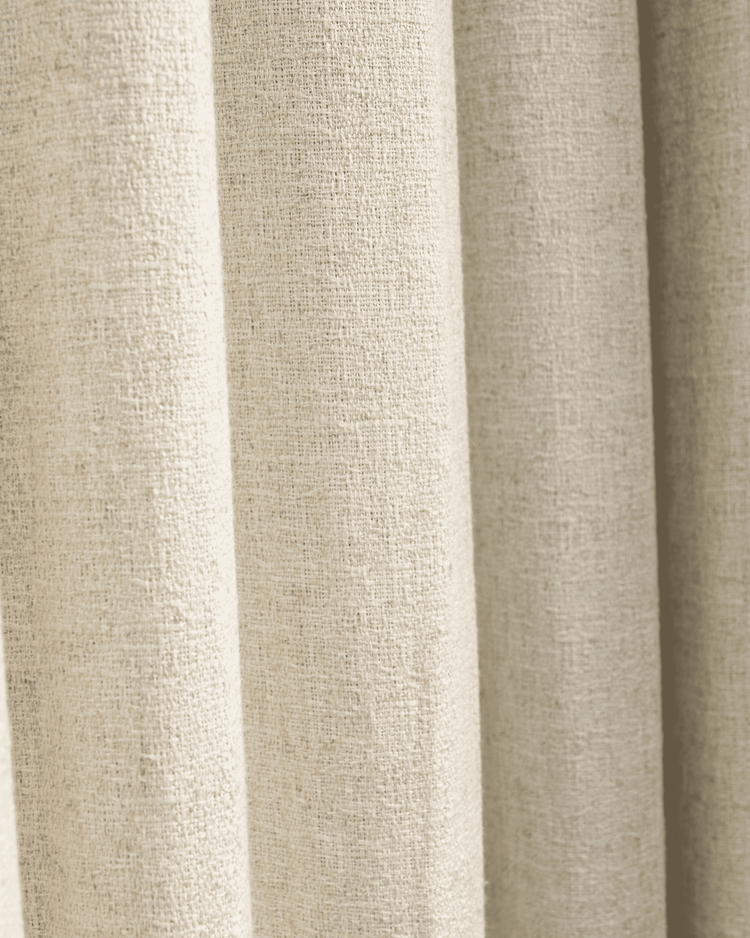
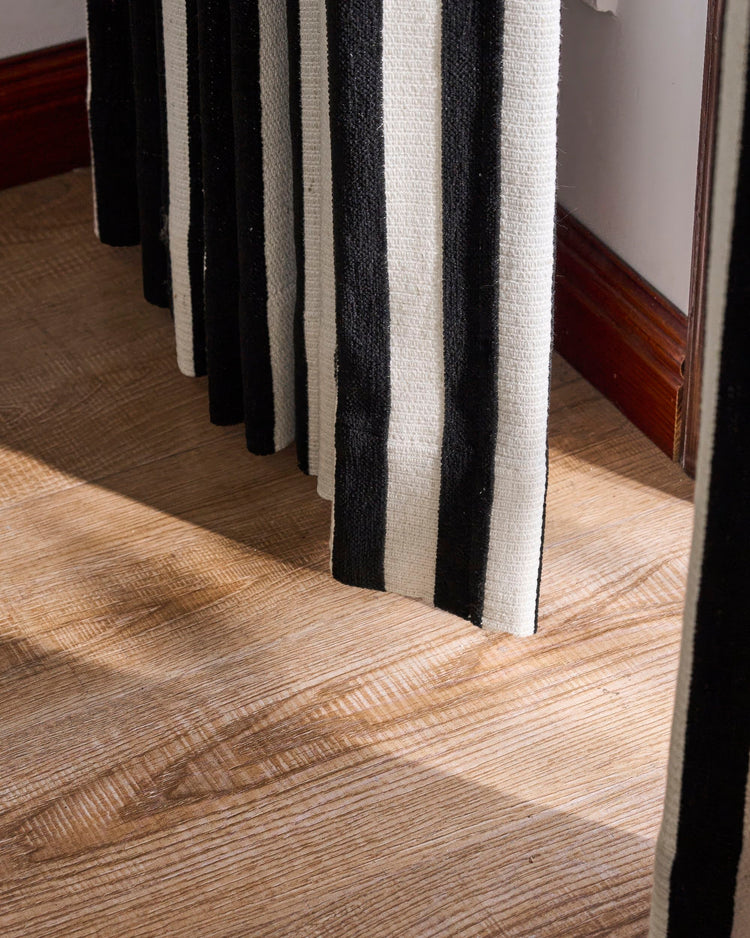
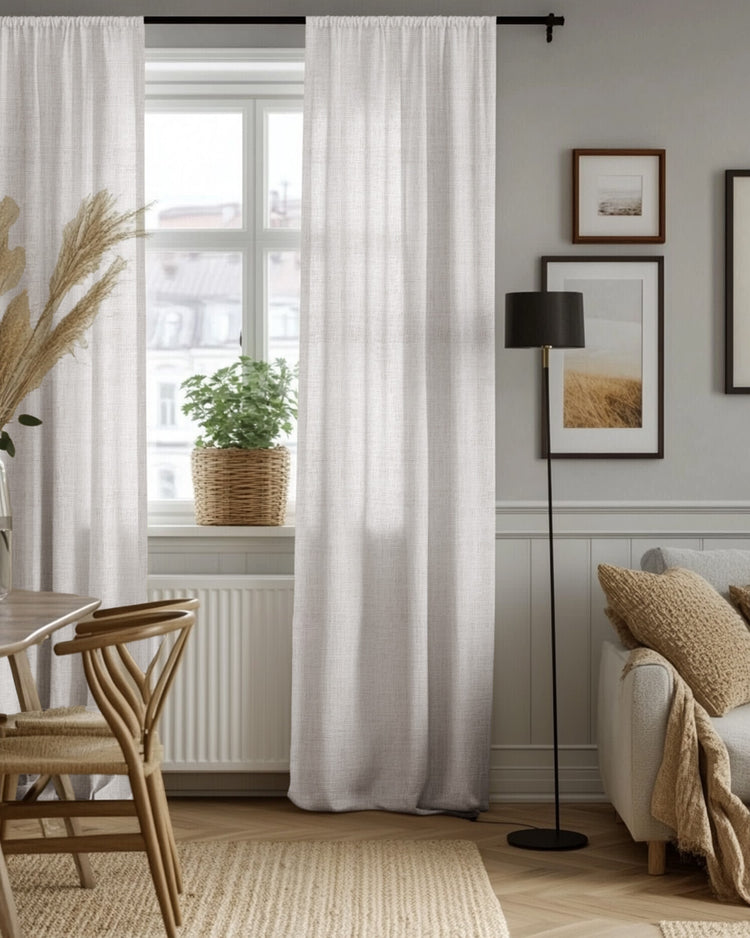
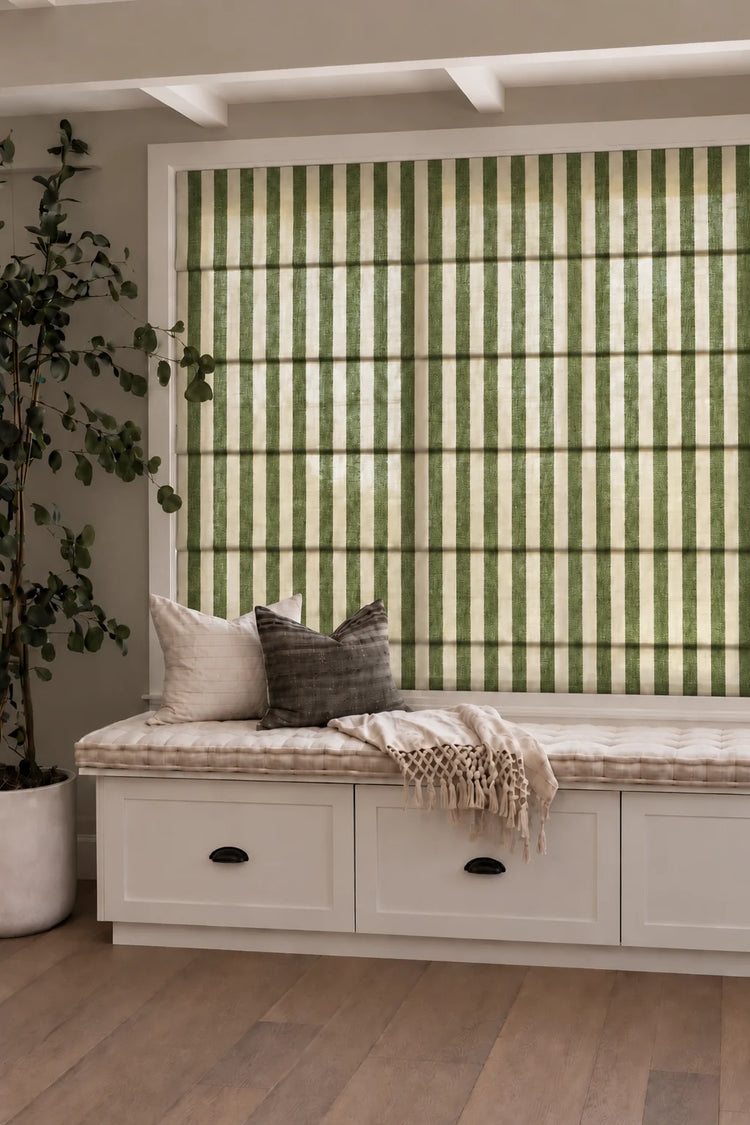
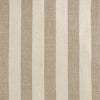
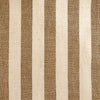
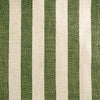
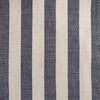
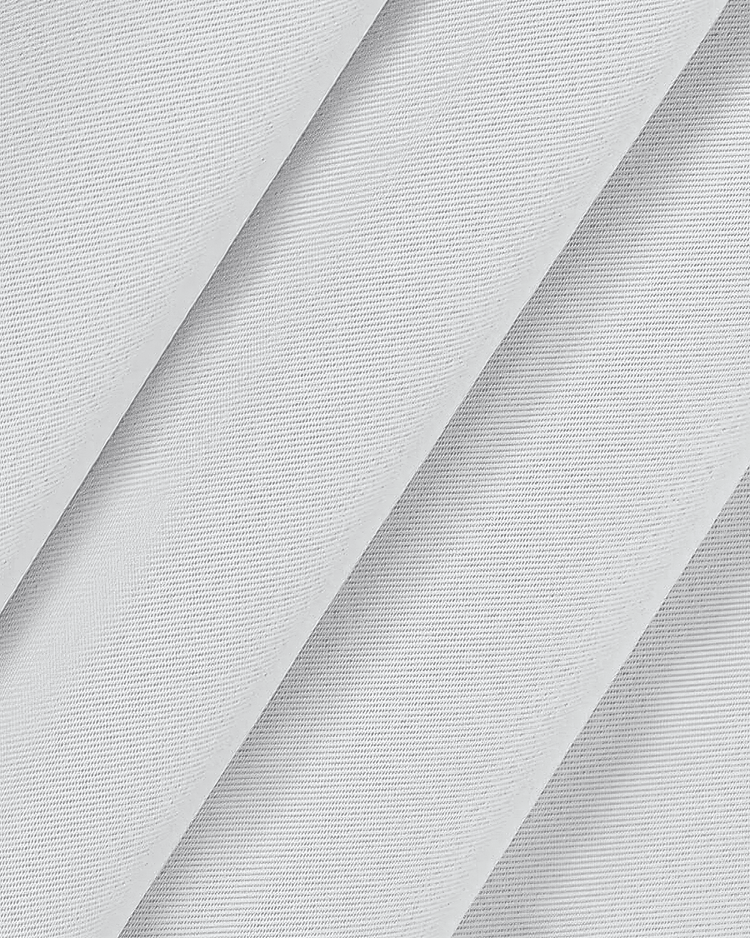
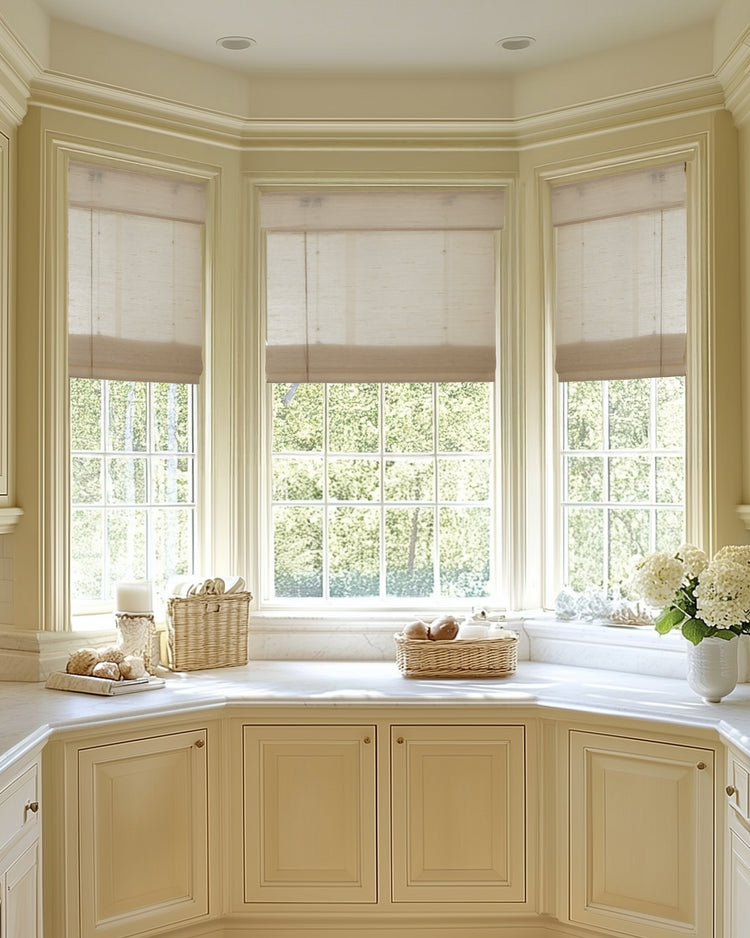
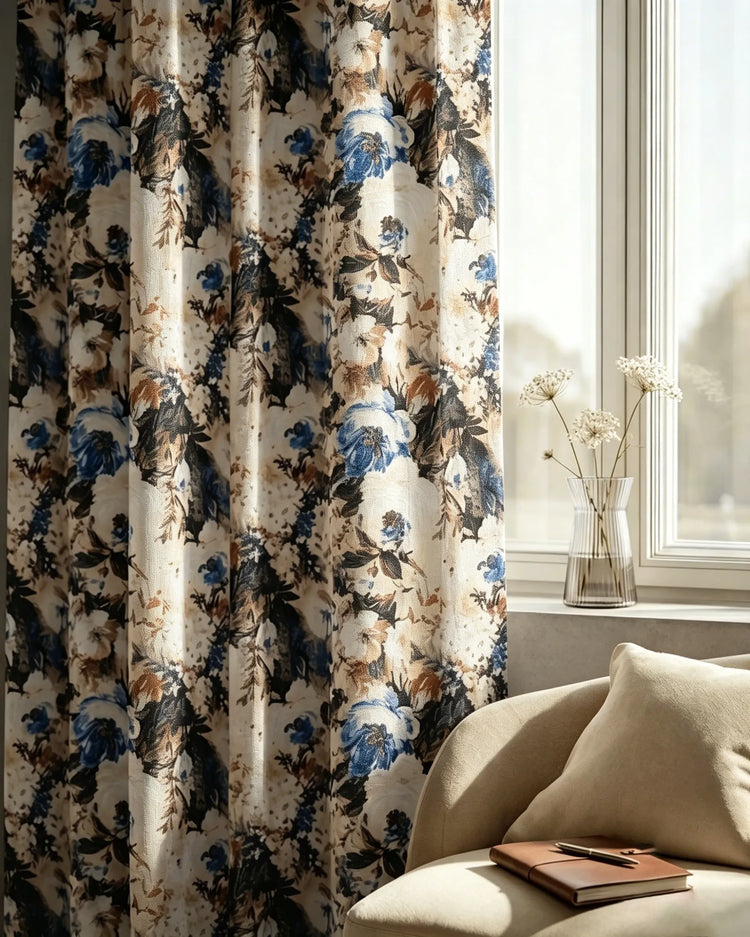
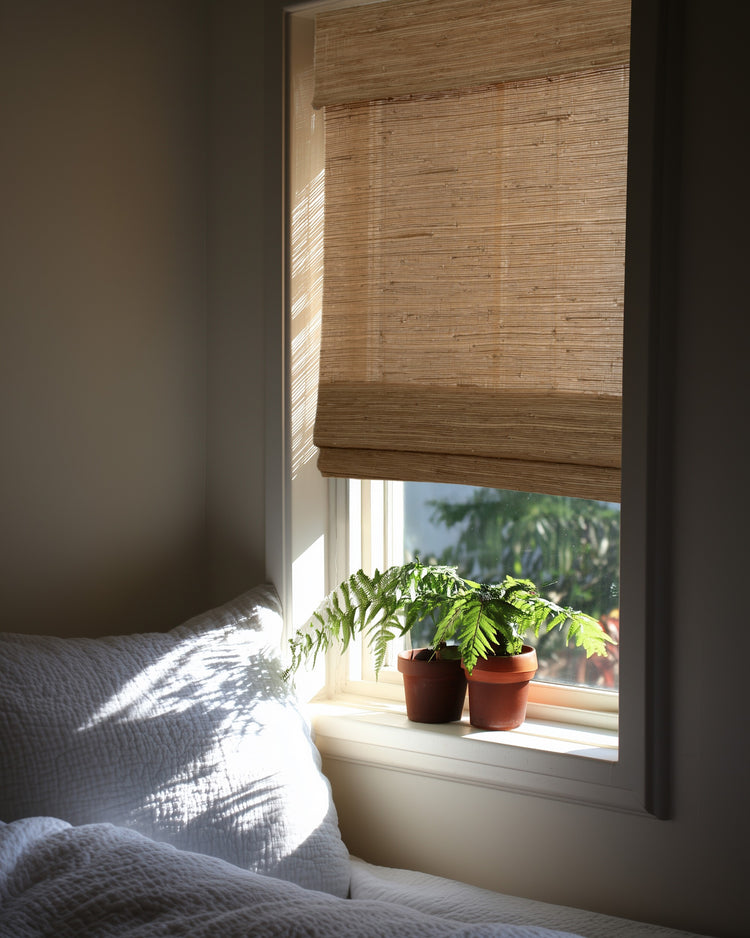
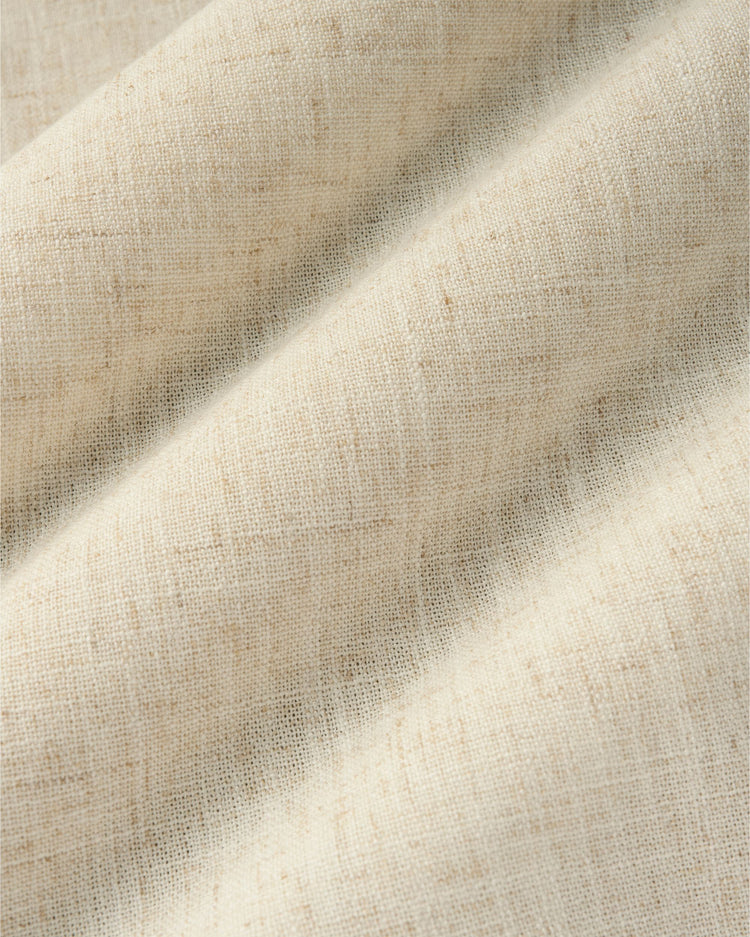
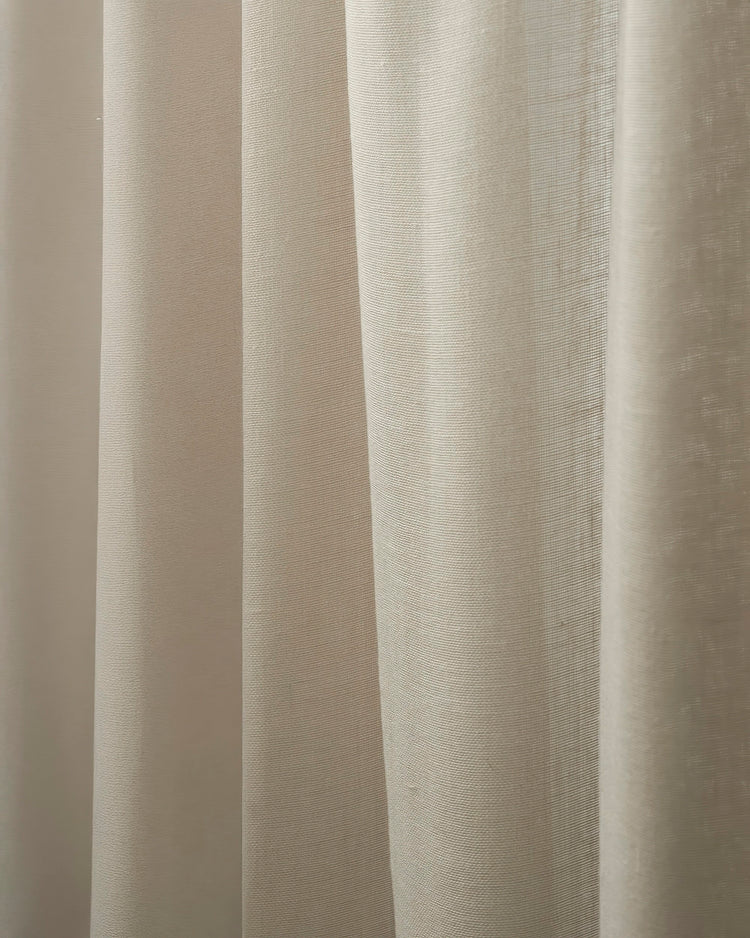
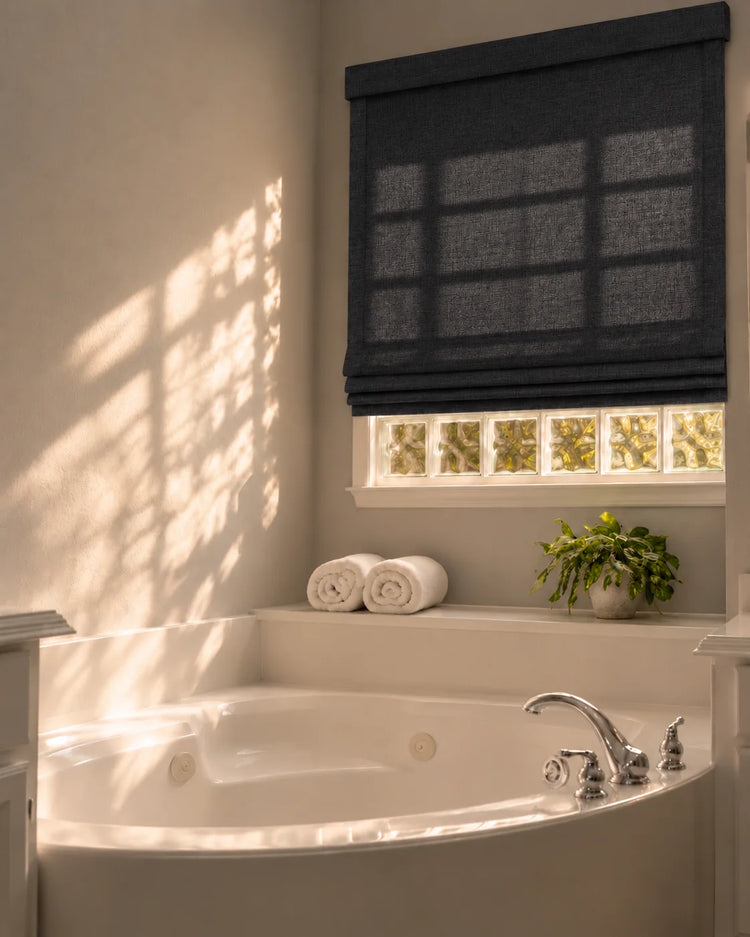
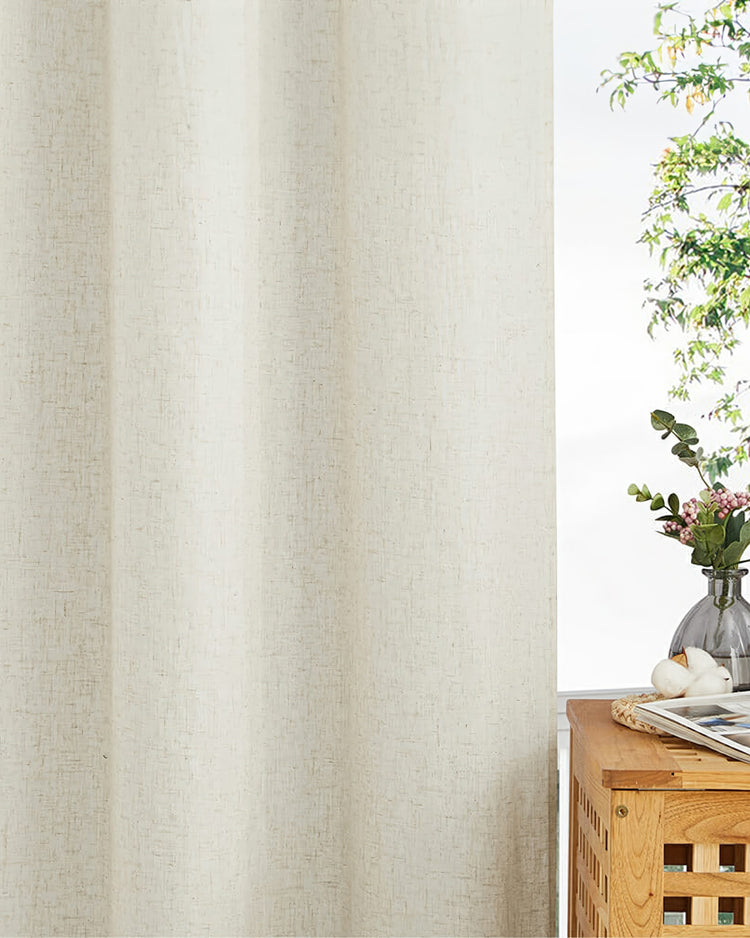
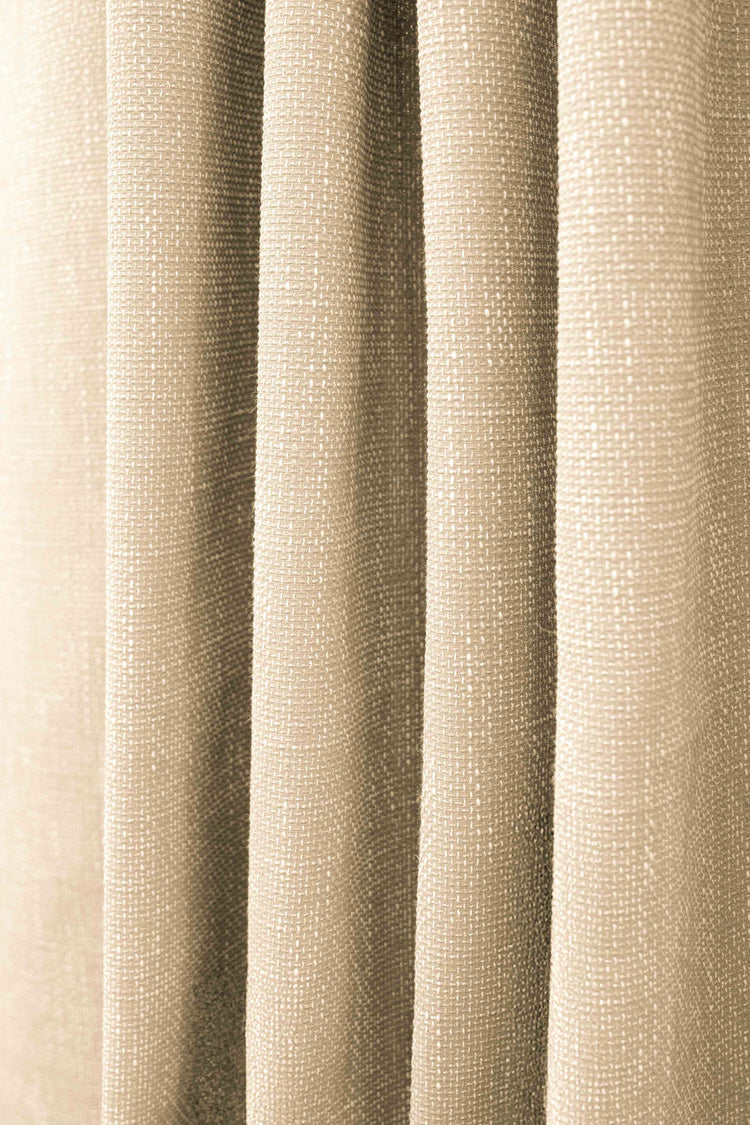
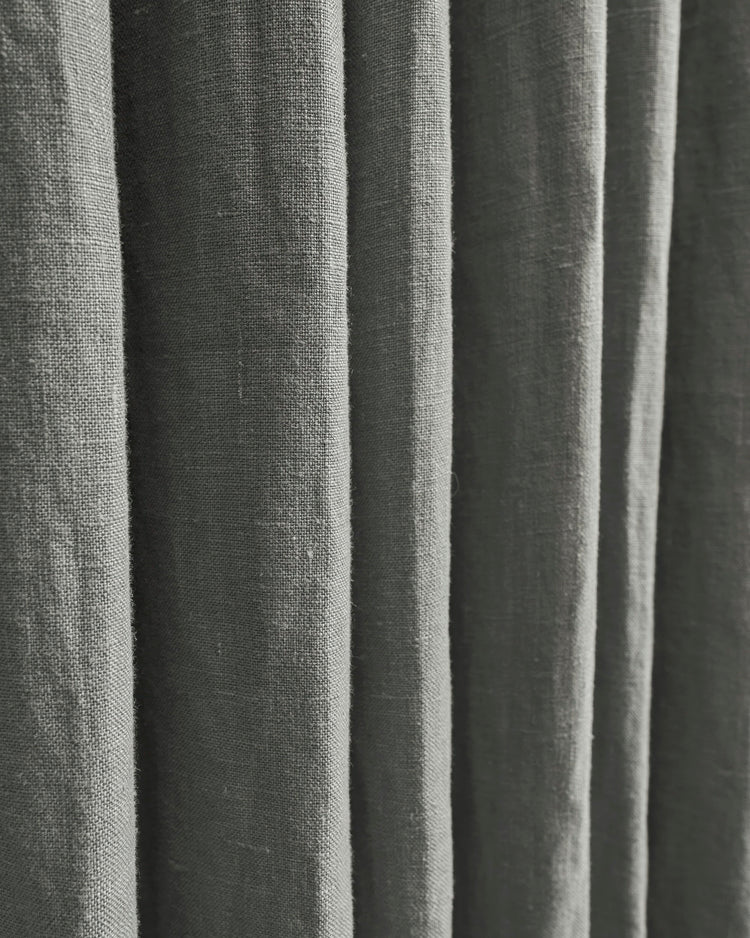
Windows are often the weakest link in any room's sound defense. Standard blinds or thin drapes do almost nothing to stop street noise. This is where thick soundproof curtains become essential. High-quality acoustic curtains use multiple layers of tightly woven fabric to dampen vibrations and reduce the "gain" of outside noise.
Pair your curtains with a thick, high-pile rug. If you have hardwood floors, a rug with a heavy pad underneath will eliminate the sound of footsteps and absorb the echoes that make a room feel cold and loud.
3. Beyond Silence: The Protection Your Books Need
There is a secondary, often overlooked reason to install high-quality window treatments in a library: UV Protection.
Direct sunlight is the silent killer of book collections. UV rays bleach book spines, yellow pages, and degrade bindings over time. One of the major benefits of soundproof curtains is that they almost always function as blackout curtains. By installing heavy-duty drapes, you aren't just buying silence; you are investing in the longevity of your collection.

 100% Blackout
 Better sleep
 Noise Reducing
 Energy Saving
4. Use Audio Masking Technology
Sometimes, total silence isn't possible—or even desirable. If you live in a city where sirens and honking are inevitable, trying to block them completely can be frustrating. In these cases, sound masking is a powerful tool.
While soundproof window curtains dampen the noise, adding a white noise machine can smooth out the remaining audio spikes. White noise (or pink/brown noise) creates a consistent audio floor that tricks the brain into ignoring inconsistent background sounds. Alternatively, ambient soundscapes (like rain or forest sounds) can enhance immersion, helping you focus on the book rather than the distraction.
5. Establish "Library Rules"
Finally, the most effective soundproofing tool is free: Communication. If you share your home with family or roommates, you must set clear boundaries.
Treat your home library with the same respect as a public one. Establish a "closed door means quiet" rule. It isn't about being anti-social; it's about claiming a space for mental clarity. Combined with the physical barrier of soundproofing curtains and the absorption of well-stocked shelves, these boundaries ensure that when you sit down to read, the rest of the world truly fades away.