How to Stay Cool Year-Round: Your Guide to Heat Blocking Curtains


Summer heat waves are becoming the new normal, and electricity bills are climbing right alongside the temperature. While your AC unit works overtime, your windows are likely the weak link, letting up to 30% of your home's cooling energy escape.
The solution isn't just "buy heavier drapes." To actually lower the temperature, you need the right combination of fabric technology, color, and fit. Here is how to choose customized curtains that actually stop the heat.
1. The Heavy Lifter: Thermal & Blackout Curtains
If your primary goal is temperature control, you need density. Thermal curtains work by trapping a layer of dead air between the window and your room, acting as insulation (similar to a double-paned window).
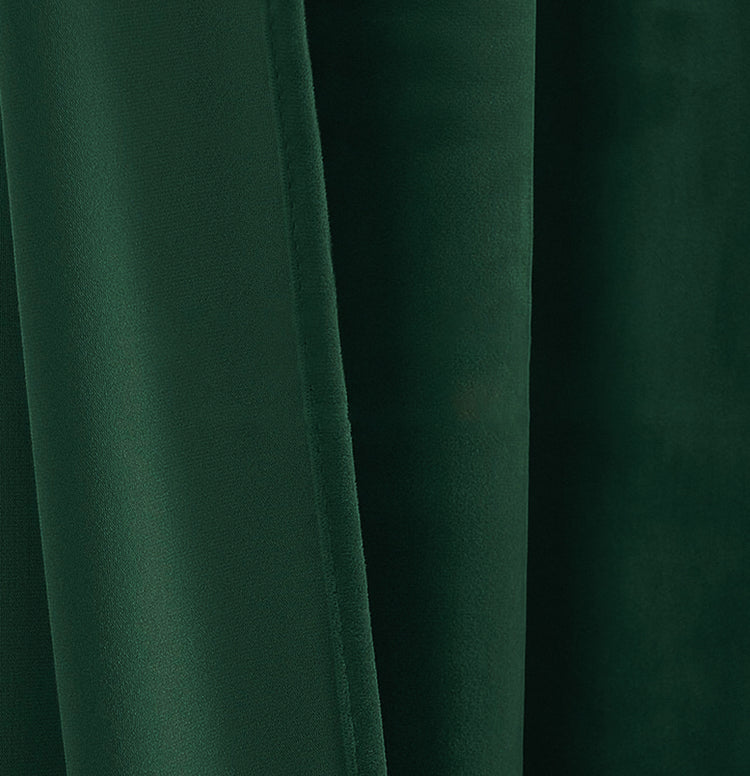
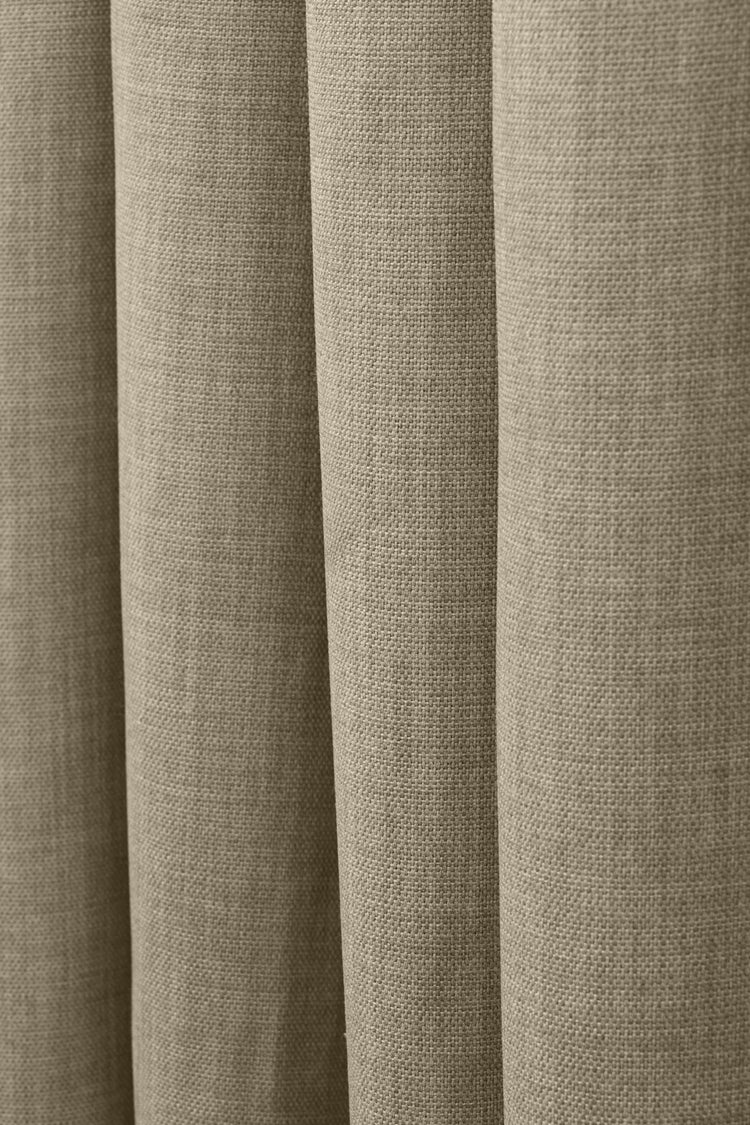
Modern thermal curtains aren't the stiff, rubbery drapes of the past. They now use triple-weave technology or specialized acrylic coatings that block light and heat while staying soft to the touch.

The checklist for maximum efficiency:
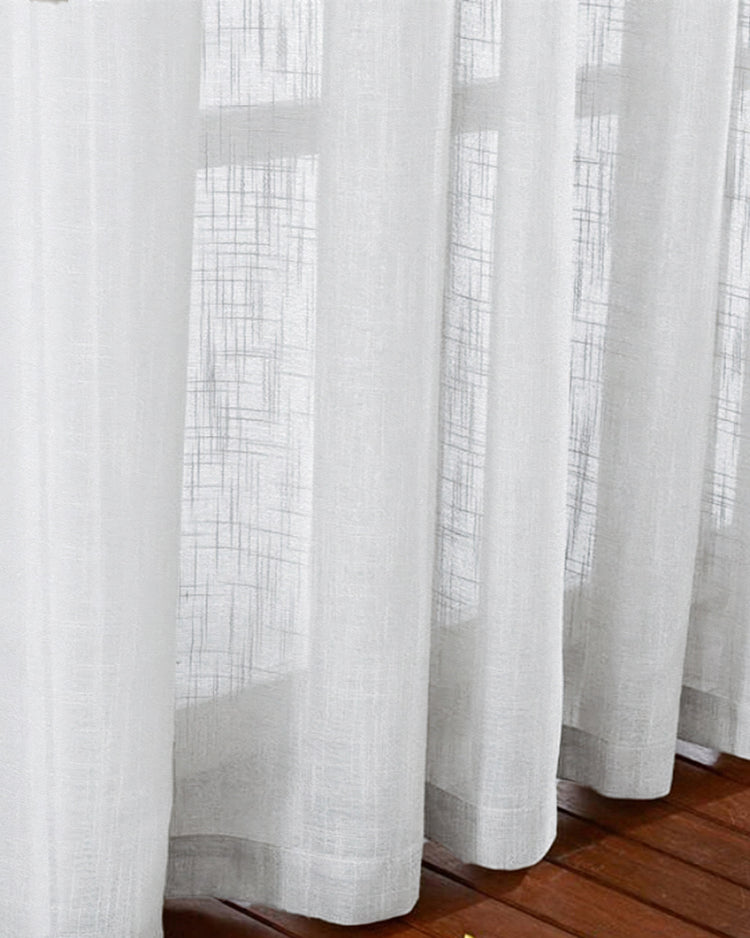
- High-Density Fabric: If you hold it up to a light and see through it, heat is getting through too.
- The Right Backing: Look for "thermal" or "blackout" linings.
- Wall-Hugging Fit: The closer the curtain sits to the wall, the better the seal against heat.
2. Linen: Aesthetics Meet Function (With a Catch)
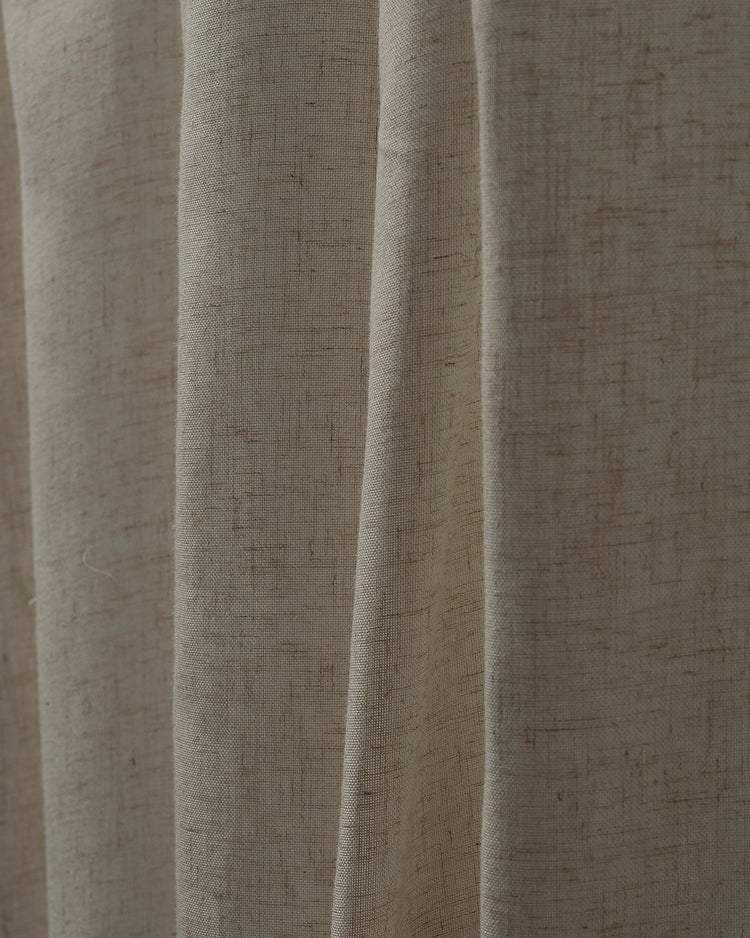
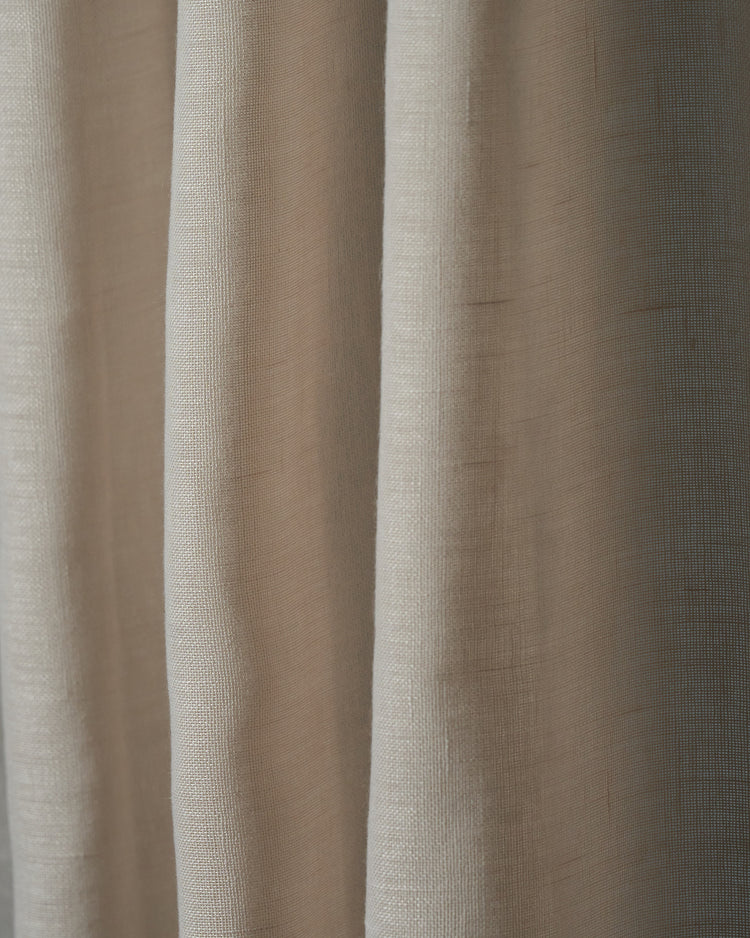
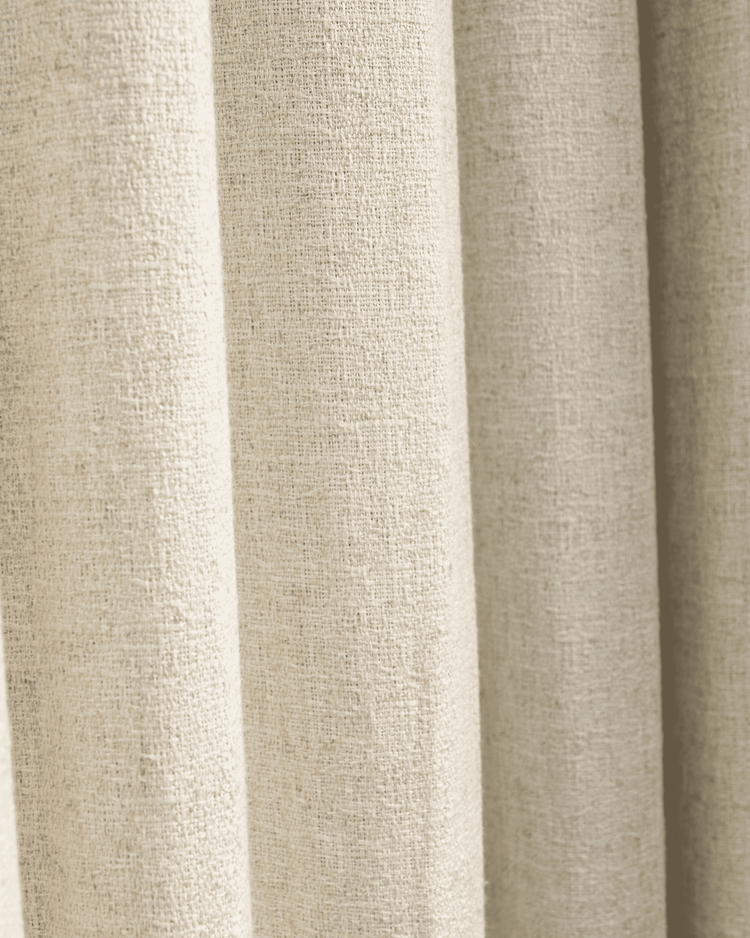
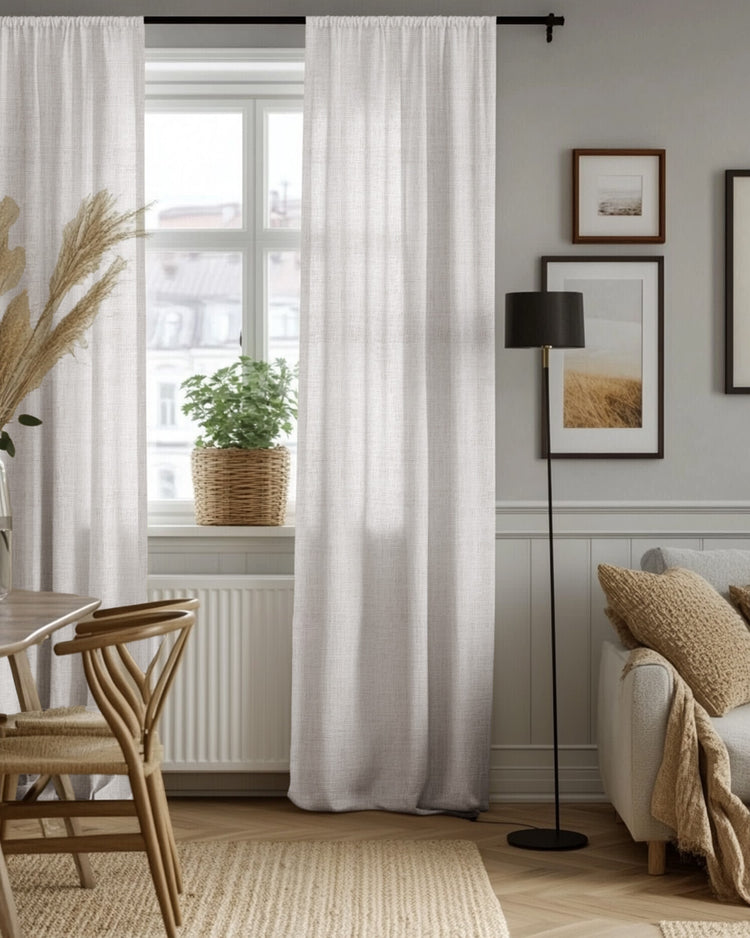
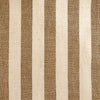
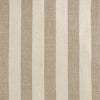
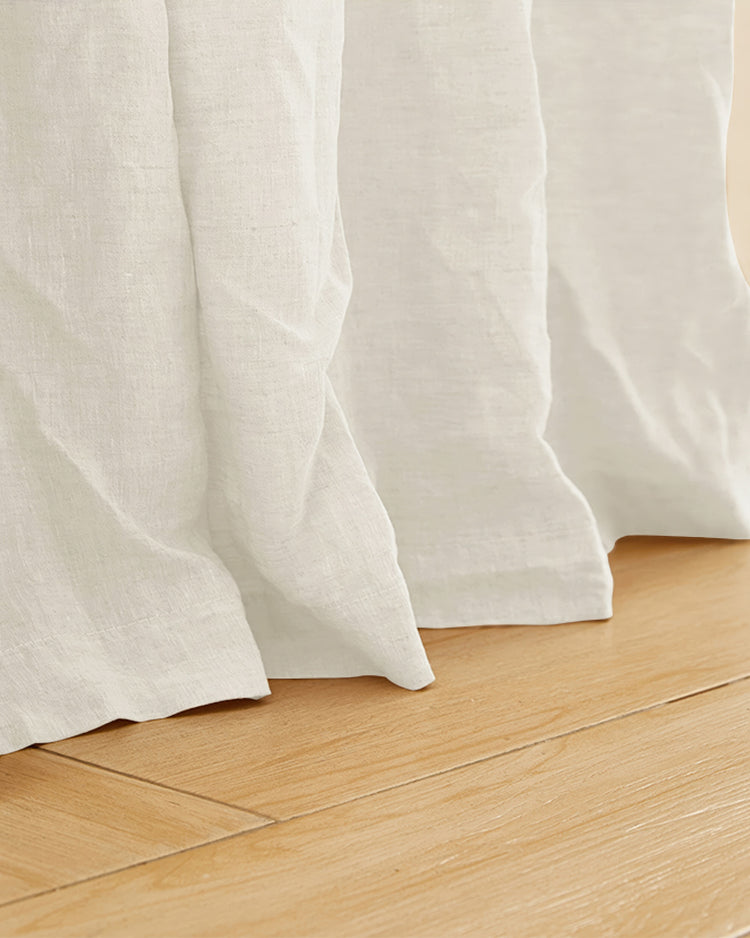
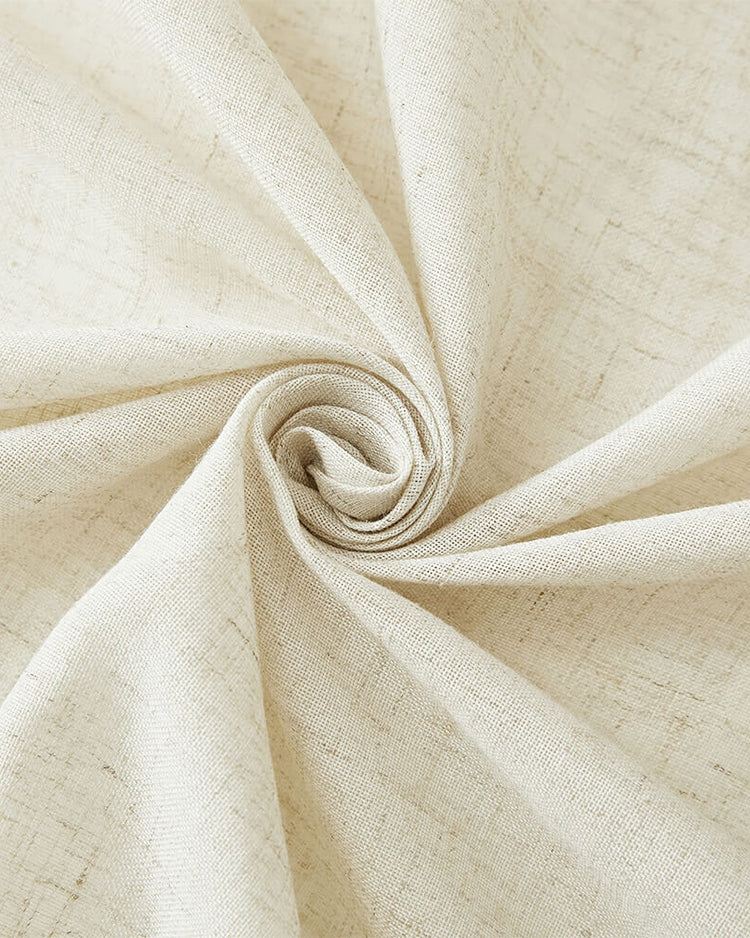
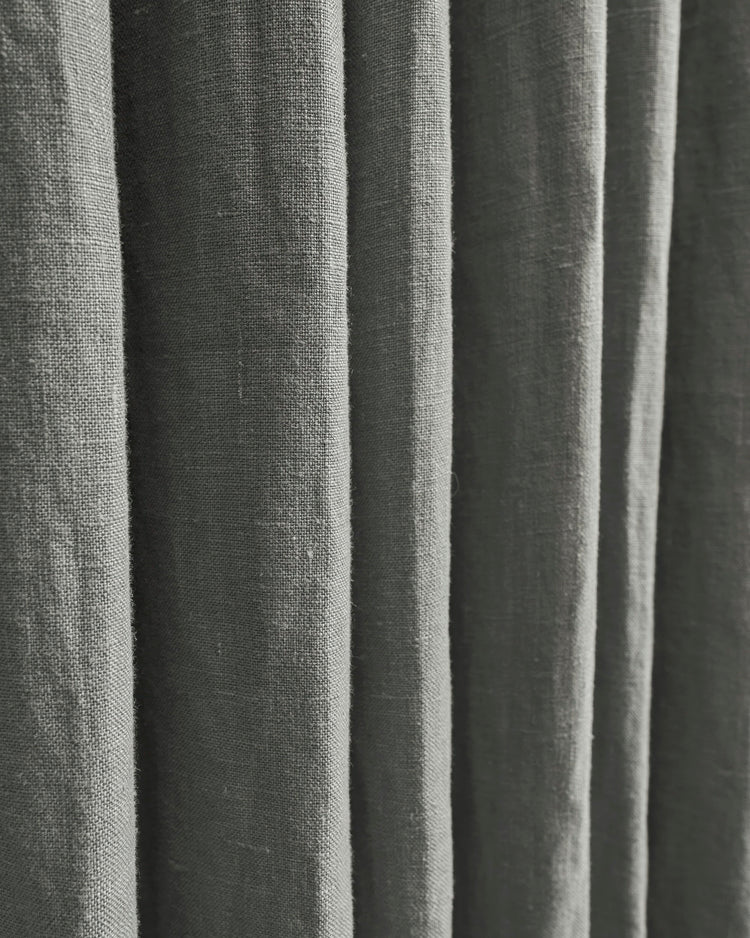
Linen is beloved for its breezy, organic aesthetic. However, standard unlined linen is terrible for heat control—its "breathability" allows hot air to pass right through into your cool room.
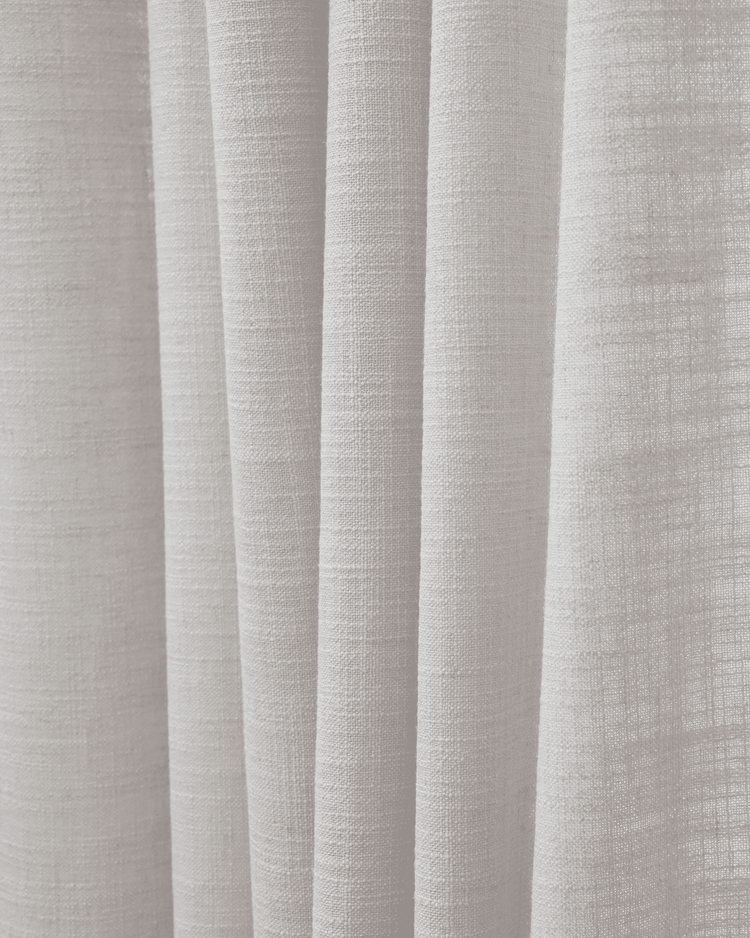
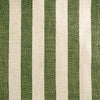
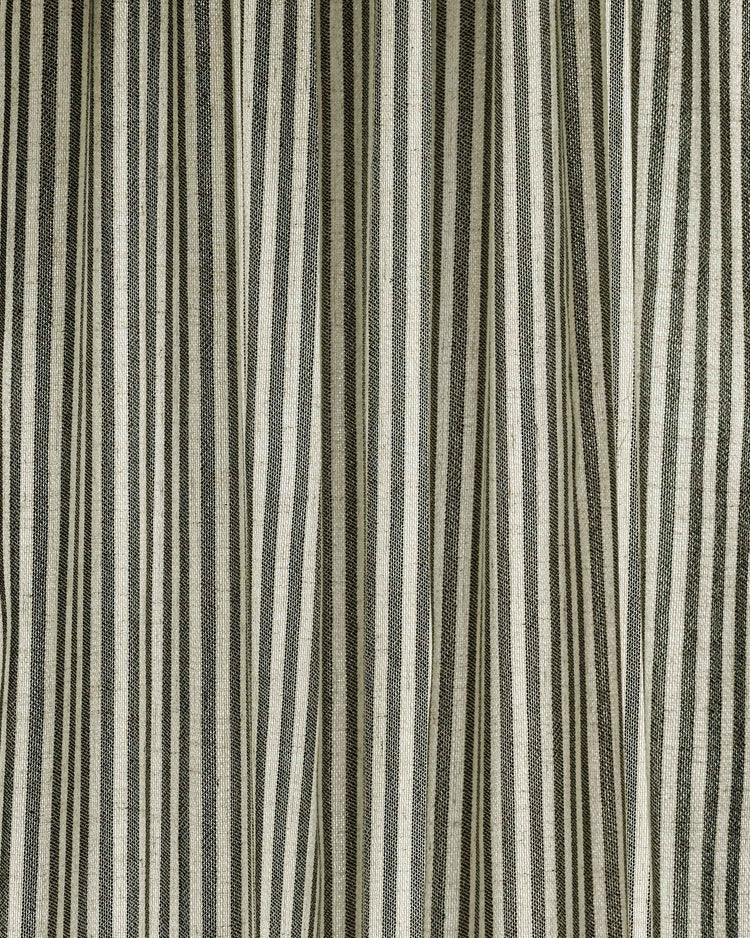
The Pro Strategy: You don't have to sacrifice the linen look for comfort. The secret is to order Linen with a Privacy or Blackout Liner. This gives you the high-end designer look of natural linen on the front, with a heavy-duty heat shield on the back.

 100% Blackout
 Better sleep
 Noise Reducing
 Energy Saving
This is the perfect compromise for living rooms and dining areas where style is paramount, but you still need to protect your furniture (and your energy bill) from the harsh afternoon sun.

3. Color Physics: The Importance of the Liner
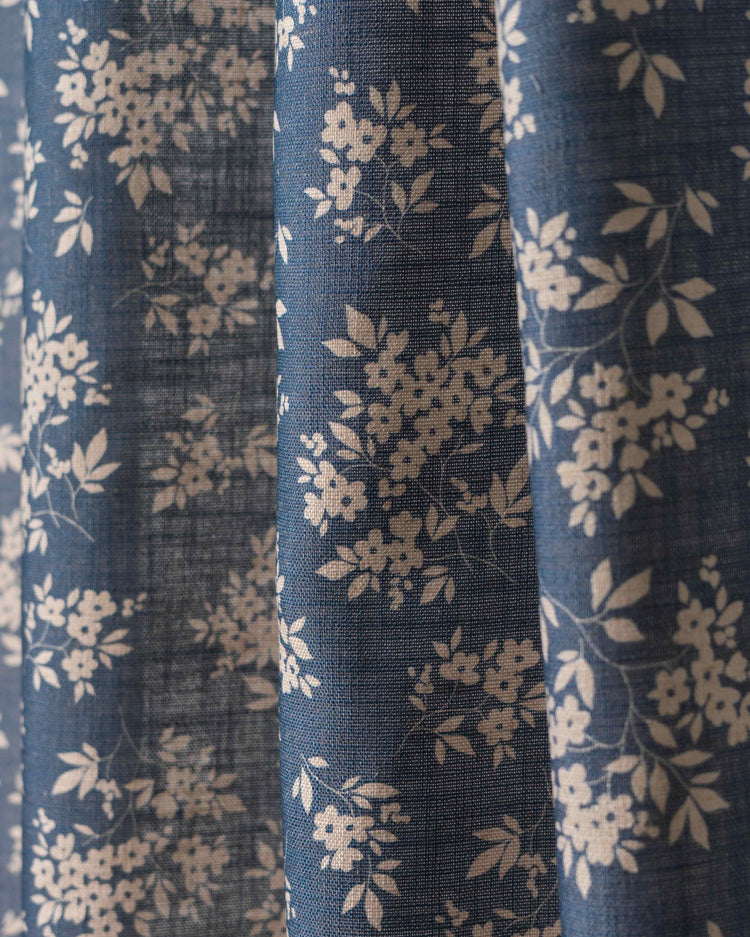
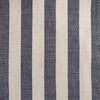
It is basic physics: Dark colors absorb heat; light colors reflect it. If you hang unlined navy blue curtains in a west-facing window, they will absorb the sun's energy and radiate it into your room like a radiator.
However, this doesn't mean you can only buy white curtains.
The solution is a neutral white liner.
By using a custom curtain with a white backing facing the street, you reflect the sunlight away before it enters the glass, while the room-facing side can be whatever deep, dramatic color matches your decor.

4. Installation: Stop the "Chimney Effect"
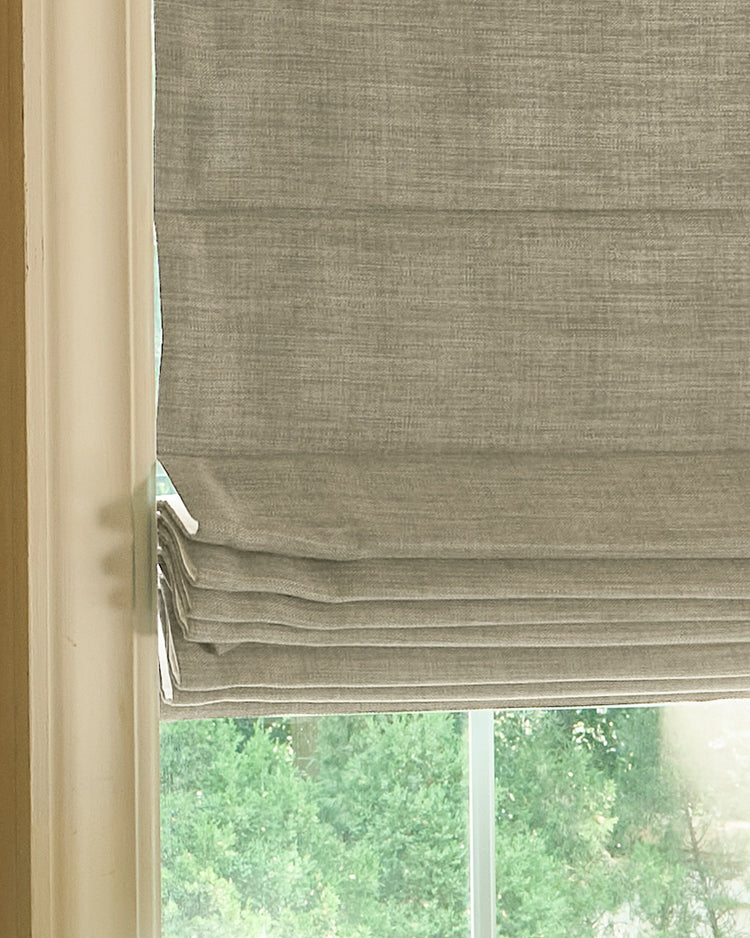
Even the best fabric fails if installed incorrectly. Heat enters through gaps. If your curtain rod is mounted right on the window frame, sunlight leaks out the top and sides.
How to hang for heat control:
- Go High: Mount the rod at least 4-6 inches above the frame (or closer to the ceiling). This traps the heat pocket above the window.
- Go Wide: Extend the rod 6-10 inches past the frame on both sides so the curtain covers the gap where light sneaks in.
- Touch the Floor: Curtains that "puddle" or kiss the floor prevent cool air from escaping underneath.
Final Tip: For the ultimate heat seal, use a "French Return" rod, which allows the curtain to wrap all the way to the wall, eliminating the side gap entirely.