How to Wash Blackout Curtains Without Ruining the Lining (Step-by-Step)


In this article 15 sections
- Quick answer: how to wash blackout curtains safely
- Step 1: read the care label before you wash
- Step 2: identify what kind of blackout curtain you have
- Step 3: prepare the curtains before washing
- How to machine wash blackout curtains
- How to hand wash blackout curtains
- How to spot clean blackout curtains
- When to dry clean blackout curtains
- Drying blackout curtains: the step that causes the most damage
- How to remove wrinkles after washing blackout curtains
- How often should you clean blackout curtains?
- Troubleshooting common blackout curtain problems
- Blackout curtain care mistakes to avoid
- FAQ: washing blackout curtains
- Final takeaway
Blackout curtains are practical, but they are also easier to damage than many people expect. The face fabric may feel strong, while the blackout layer, coating, or separate liner can crack, peel, shrink, bubble, or turn stiff if it is washed like a normal curtain.
If you are trying to figure out how to wash blackout curtains safely, start with the lowest-risk cleaning method first. Then move to machine washing, hand washing, or professional cleaning only when the care label and curtain construction make that safe.
This guide explains how to clean blackout curtains without damaging the backing, what to check before washing, how to dry them, and when it is better to stop and call a cleaner.
Quick answer: how to wash blackout curtains safely

If you cannot find the care label, or you are not sure what kind of blackout backing your curtains have, do not start with a full wash. Start with the safest routine that solves most everyday dust, pet hair, and light odor problems.
- Vacuum while the curtains are still hanging. Use a brush attachment and work from top to bottom.
- Spot clean small marks. Use cool water, a soft cloth, and a very small amount of mild detergent.
- Avoid scrubbing the backing. Dab and lift stains instead of grinding them into the fabric.
- Air dry only when unsure. Fans and open windows are safer than heat or tumbling.
This approach avoids the two biggest risks for blackout curtains: high heat and hard agitation. If that is not enough, use the care label and the curtain construction to choose the next step.
Step 1: read the care label before you wash

The care label is the final instruction for your exact curtain. Blackout products vary widely. Some are woven from thick fabric. Some use a coated backing. Some have a separate liner. They may all block light, but they do not all tolerate washing the same way.
Here is how to translate common label instructions:
- Machine wash cold, gentle, or delicate: Use cold water, mild detergent, and low agitation.
- Do not tumble dry: Air dry the curtain even if it feels sturdy.
- Dry clean only: Do not soak or machine wash it. Water and agitation can distort linings or shrink layers unevenly.
- Spot clean only: Treat the curtain as a structured product and avoid soaking, scrubbing, and spin cycles.
If the tag is missing, assume the safest path: vacuum, spot clean, and air dry. If the curtain is heavily lined, pleated, coated, or expensive, professional cleaning is usually safer than guessing.
Step 2: identify what kind of blackout curtain you have

“Blackout” describes performance, not one single material. Two curtains can both darken a room and still need very different cleaning methods.
Fabric-only or triple-weave blackout curtains
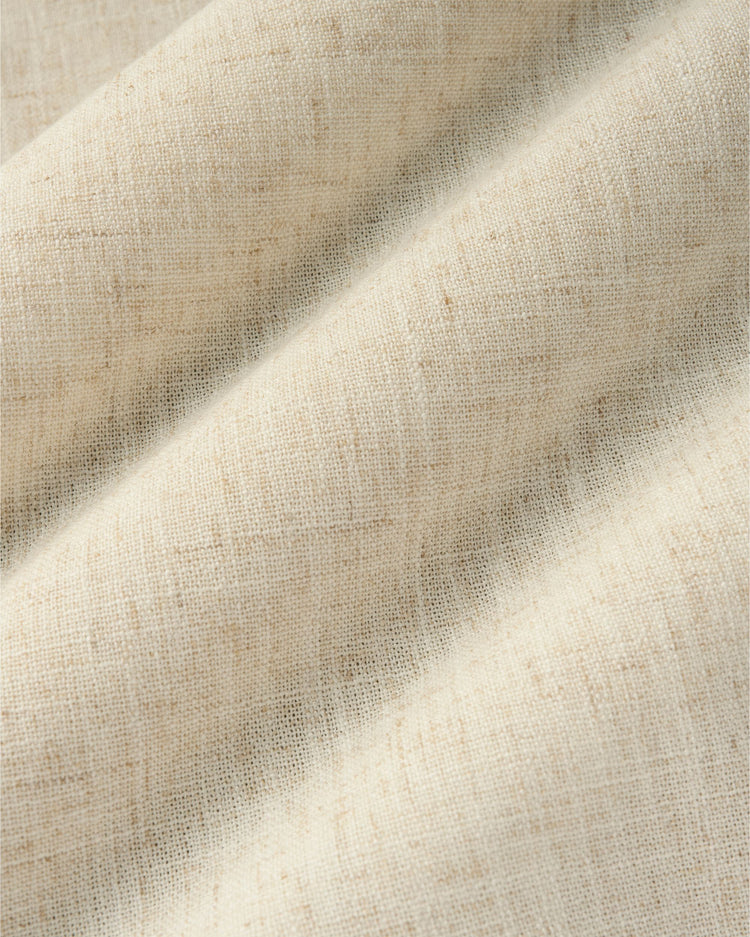
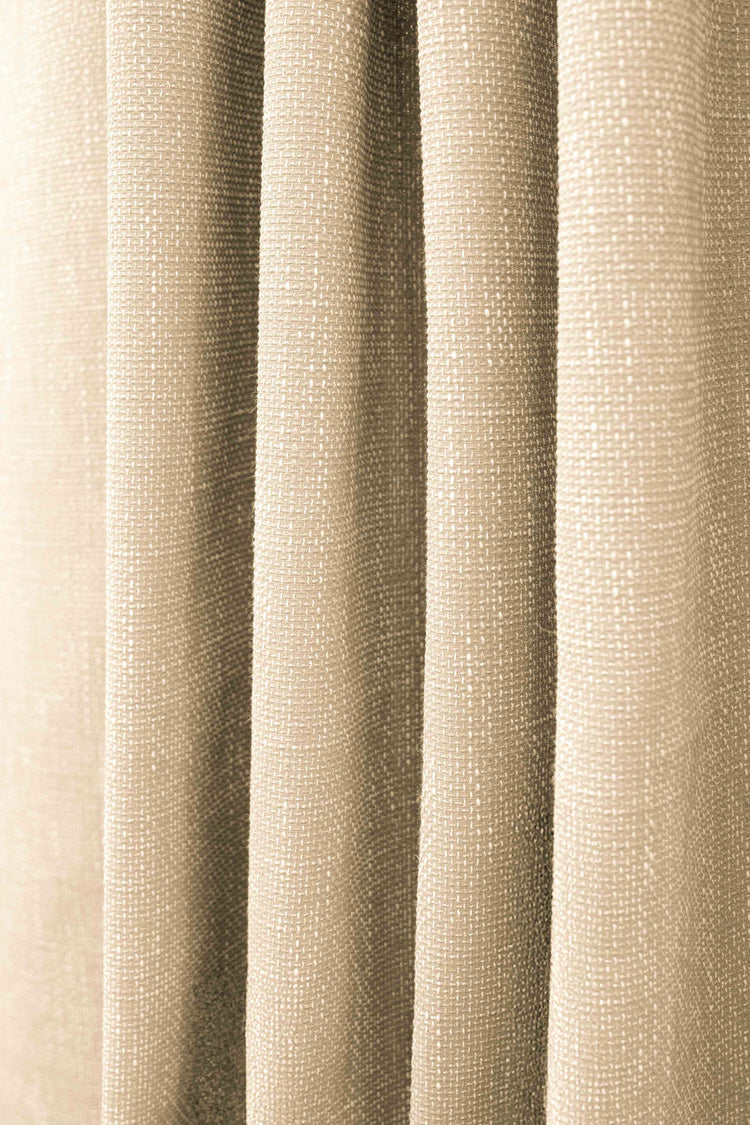
These curtains usually feel like thick fabric on both sides, without a rubbery coating. They are often more forgiving than coated curtains, especially if the label says they are washable.
Even then, use cool water, gentle agitation, and air drying when possible. Strong heat can still shrink fabric, weaken stitching, or change the way the panel hangs.
Coated or foam-backed blackout curtains
These have a smooth backing that may feel slightly rubbery, plasticky, or foam-like. This construction can block light well, but it is often more sensitive to heat, rubbing, and folding while damp.
Coated blackout curtains are the type most likely to stick to themselves, peel, crack, or flake if washed too aggressively. If the label is unclear, avoid machine washing and start with spot cleaning.
Blackout curtains with a sewn-in liner
These curtains have a separate lining attached behind the face fabric. They can look more finished and hang beautifully, but washing can create another issue: uneven shrinkage between the face fabric and liner.
If the curtain is tailored, pleated, or designed to kiss the floor, even a small amount of shrinkage can affect the final look. Read the care label carefully before using water.

 100% Blackout
 Better sleep
 Noise Reducing
 Energy Saving
Step 3: prepare the curtains before washing
Preparation matters because most damage happens from friction, hardware, dirt, or rough handling.
Remove all hardware
Take off rings, hooks, pins, clips, tiebacks, and removable weights before washing. Hardware can snag the fabric, scrape the backing, or stress the header during the wash cycle.
Remove dust before adding water
Curtains collect dust, pet hair, pollen, and lint. If you wash without removing that buildup first, it can turn into residue and settle deeper into the fabric.
Vacuum both sides gently before washing. Use a brush attachment and avoid pressing hard on coated backing.

Use a mesh laundry bag if machine washing is allowed
If the label clearly allows machine washing, a mesh laundry bag can reduce twisting and friction. For large panels, wash one panel at a time if your machine has enough room. Crowding heavy curtains can crease the backing and prevent proper rinsing.
How to machine wash blackout curtains
Only machine wash blackout curtains if the care label allows it. If the label says dry clean only, spot clean only, or do not wash, skip this section.
1. Use cold water and the gentlest cycle
Cold water helps reduce shrinkage and stress on the lining. Choose the gentlest cycle available. Avoid heavy-duty, hot water, sanitize, or high-spin settings.
2. Use mild detergent and less than usual
Heavy detergent can leave residue in thick curtains and liners. Use a small amount of mild detergent. Avoid bleach unless the label specifically allows it, and avoid strong fragrance if the curtains are going into a bedroom or nursery.
3. Wash curtains alone
Do not wash blackout curtains with towels, jeans, bedding, zippers, or anything abrasive. The goal is to minimize friction against the blackout layer.
4. Reduce spin when possible
High spin can crease coated backing and stress seams. If your washer lets you choose a lower spin speed, use it.
5. Add an extra rinse if needed
Thick curtains can hold detergent. If the fabric feels stiff or soapy after washing, run an extra gentle rinse without more detergent.
How to hand wash blackout curtains
Hand washing is often safer than machine washing when the curtain is washable but delicate. It gives you more control and reduces twisting.
1. Fill a tub with cool water and mild detergent
Use cool water and a small amount of mild detergent. You are lifting everyday dust and grime, not stripping heavy grease.
2. Swish gently, do not scrub
Move the curtain through the water slowly. Avoid rubbing coated backing against itself. Scrubbing can damage coatings and distort stitched linings.
3. Rinse thoroughly
Drain the tub and refill with clean cool water until the detergent is gone. Detergent residue can make blackout curtains feel stiff after drying.
4. Press out water without wringing
Do not twist the curtain. Press water out gently, then support the weight of the wet panel as you move it. Wet curtains can be heavy, and that weight can stretch seams if handled roughly.
How to spot clean blackout curtains
Spot cleaning is often the safest choice for coated blackout curtains, tailored curtains, and curtains with unclear care labels.
- Use a soft cloth or sponge.
- Use cool water and a tiny amount of mild detergent.
- Dab from the outside of the stain toward the center.
- Use as little water as possible on coated backing.
- Rinse the area with a clean damp cloth.
- Let the area air dry fully before closing or folding the curtains.
Do not use harsh stain removers, abrasive brushes, steam cleaners, or strong solvents unless the product care instructions specifically allow them.
When to dry clean blackout curtains
Choose professional cleaning when the label says dry clean only, when the curtain is heavily structured, or when you cannot confirm that the backing is washable.
Dry cleaning is also the safer route when:
- the backing feels foam-like or coated
- the curtains are pleated, interlined, or custom tailored
- the panels are floor-length and shrinkage would be obvious
- the fabric is velvet, silk-like, delicate, or very heavy
- you are cleaning a full-room custom curtain set and need the panels to remain consistent
Drying blackout curtains: the step that causes the most damage

Drying is where many blackout curtains get ruined. Heat can damage coatings, shrink fabric, or make backing stick to itself while damp.
Air dry as the safest default
When in doubt, air dry. Hang the curtains fully open, with the backing not folded onto itself. Use fans, open windows, or a well-ventilated laundry area to speed drying without heat.
Do not place wet blackout curtains directly against a radiator, heater, fireplace, or hot vent.
Use the dryer only if the label allows it
If the care label allows tumble drying, use low heat or air-only drying and remove the curtains while slightly damp. Then hang them to finish drying.
Do not over-dry blackout curtains. High heat and long dry cycles can create permanent damage to the backing and seams.
How to remove wrinkles after washing blackout curtains
Rehanging curtains while slightly damp can help gravity smooth light wrinkles. For deeper wrinkles, check the care label before using heat.
- Iron the fabric side only if the label allows ironing.
- Do not press directly on coated blackout backing unless the label says it is safe.
- Use a pressing cloth when needed.
- Avoid high heat and long contact time.
If the curtains are custom, pleated, or lined, steaming should also be handled carefully. Too much heat or moisture can affect the liner and header shape.
How often should you clean blackout curtains?
Most blackout curtains do not need frequent full washing. Regular light maintenance is usually better than waiting too long and then trying to deep clean aggressively.
- Vacuum monthly: more often if you have pets, allergies, dusty windows, or heavy pollen.
- Spot clean as needed: handle small marks before they become set-in stains.
- Deep clean only when necessary: follow the label and choose the safest method for the construction.
- Clean kitchen curtains more often: grease and cooking odors can cling to fabric faster than bedroom dust.
If your curtains still smell stale after vacuuming and airing out, check whether the issue is the curtain itself, the window area, or moisture behind the panel. Musty odors can point to dampness, not just fabric dust.
Troubleshooting common blackout curtain problems
The backing is peeling, cracking, or flaking
Stop machine washing and skip the dryer. This usually means the backing is failing, and more agitation will likely make it worse. Switch to gentle surface cleaning or consider replacing the curtain if the damage affects performance.
The backing looks bubbled or separated
Heat, aggressive spin, or soaking can cause layers to separate. Let the curtain air dry fully open and avoid adding more heat to flatten it.
The curtains shrank and no longer reach the floor
Some fabrics shrink even when washed carefully. This is why floor-length, custom, or tailored blackout curtains should be cleaned exactly according to the label. If the finished length matters, professional cleaning is often safer.
The curtains feel stiff after washing
Stiffness can come from detergent residue. Rinse again gently without detergent and air dry fully open. If the stiffness is from damaged backing, it may not fully recover.
Blackout curtain care mistakes to avoid
- Do not use hot water to make curtains “extra clean.”
- Do not scrub coated backing like a hard surface.
- Do not fold coated sides together while damp.
- Do not tumble dry unless the label clearly allows it.
- Do not assume all blackout curtains are washable.
- Do not ignore musty smells near the window or bottom hem.
FAQ: washing blackout curtains
Can blackout curtains be machine washed?
Some can, but only if the care label says machine washing is allowed. Use cold water, a gentle cycle, mild detergent, and low agitation. If the backing is coated or the label is missing, spot cleaning or dry cleaning is safer.
Can blackout curtains go in the dryer?
Only if the care label allows tumble drying. Many blackout curtains should be air dried because heat can damage coatings, shrink fabric, or make backing stick to itself.
How do I clean blackout curtains without taking them down?
Vacuum them gently with a brush attachment, then spot clean marks with a soft cloth and cool water. This is a good routine for regular maintenance between deeper cleanings.
Why did my blackout curtain backing crack after washing?
Cracking usually happens when coated backing is exposed to heat, hard agitation, strong spin, or rough handling while wet. Once a coating cracks, it may not be repairable.
Should I dry clean custom blackout curtains?
Often, yes. If the curtains are custom-sized, lined, pleated, coated, or tailored to a precise floor length, professional cleaning can reduce the risk of shrinkage, puckering, or backing damage.
Final takeaway
The safest way to clean blackout curtains is to let the product instructions lead. Start with vacuuming and spot cleaning, then machine wash or hand wash only when the care label and curtain construction allow it.
For most blackout curtains, the golden rules are simple: use cool water, stay gentle, avoid heat, and air dry when unsure. If the curtain is custom, coated, heavily lined, or expensive, professional cleaning may be the smarter choice.
If you are choosing new curtains and easy care matters, compare fabric, lining, and care instructions before ordering. Start with blackout curtains, review the curtain liner guide, and use the free design service if you want help choosing a setup that fits both your room and your maintenance routine.