Why Your Bay Window is Costing You a Fortune (And How to Fix It Without Ruining the View)


In this article 9 sections
- Start with Draft Control Before Adding Thermal Curtains
- Bay Windows: Use Layers Without Trapping Moisture
- Open Hallways and Stairways: Use Doorway Curtains to Keep Warmth Where You Need It
- Basements: Create a Smaller Comfort Zone
- Deep Window Recesses: Choose a Treatment That Fits Close to the Glass
- Winter Window Treatment Checklist
- Common Mistakes to Avoid
- Frequently Asked Questions
- Final Takeaway
Drafty windows, bay windows, open stairways, and finished basements can make a home feel colder than the thermostat says. Curtains and shades can help, but they work best when you start with the real problem: air movement.
Before choosing heavier window treatments for winter, check for gaps around the window, trim, sill, and frame. Once drafts are managed, thermal curtains, Roman shades, and layered treatments can do a better job of keeping rooms comfortable.
This guide explains how to use winter window treatments in tricky areas of the home, including bay windows, deep window recesses, open hallways, and basements.
Start with Draft Control Before Adding Thermal Curtains
Insulating window treatments work best when cold air is not already moving around them. If a window leaks air, even a thick curtain may feel less effective because the draft can slip through gaps at the side, sill, or trim.
A simple way to think about it: curtains help slow heat transfer, but sealing helps reduce unwanted airflow. For better winter comfort, handle the air leaks first, then choose the right fabric, lining, or shade.
Check These Areas First
- gaps where the trim meets the wall
- loose or aging caulk around the window frame
- spaces near the sill or sash
- drafts around old single-pane windows
- cold air coming from unfinished basement edges or stairways
For a temporary, renter-friendly fix, rope caulk or removable weatherstrip caulk can be pressed into small gaps during colder months. The U.S. Department of Energy also recommends caulking and weatherstripping as practical steps for reducing air leaks around windows and doors.

After sealing visible drafts, review the window treatment itself. If the room still feels cold, a heavier liner, a closer wall overlap, or a better-fitting shade may help.
Bay Windows: Use Layers Without Trapping Moisture
Bay windows bring in beautiful light, but they also expose more glass to outdoor temperatures. In winter, that extra glass area can make the room feel cooler, especially if the windows are older or not well sealed.
For bay windows, you usually have two main options: follow each window angle with individual shades, or hang curtains straight across the bay opening. Each approach has a different look and a different comfort benefit.
Option 1: Use Individual Shades for Daily Flexibility
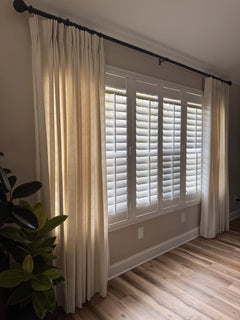
For a clean look that keeps the shape of the bay visible, individual inside-mount shades can work well. A tailored shade, such as a Roman shade, lets you control light on each section of the bay while keeping the architectural shape open.
This is a good choice when you want the bay window to stay bright during the day and only need moderate insulation or privacy.
Option 2: Hang Thermal Curtains Straight Across the Opening
For stronger evening warmth, you can hang a curtain rod straight across the inside wall opening of the bay. This creates a buffer zone between the room and the cooler glass area.

 100% Blackout
 Better sleep
 Noise Reducing
 Energy Saving
This setup can help the living area feel more comfortable at night, but it also requires moisture awareness. When warm indoor air reaches cold glass behind a closed curtain, condensation can form. If moisture sits for too long, it may contribute to mold or damage on certain window frames.
To reduce that risk, open the curtains during the day when possible, wipe away visible condensation, and consider seasonal window insulation film if your bay window regularly fogs in winter. For more guidance on liner choices, review the curtain liner guide before ordering.
Open Hallways and Stairways: Use Doorway Curtains to Keep Warmth Where You Need It
Open stairways and archways can make a home feel spacious, but they can also let warm air move away from the room you use most. In winter, that often means the living room feels cooler while heat collects upstairs.
A doorway curtain, sometimes called a portiere, can help create a softer division between spaces. It does not replace insulation or HVAC work, but it can make a frequently used area feel cozier in the evening.
Where a Doorway Curtain Works Best
- between a living room and an open hallway
- at the base of an open staircase
- between a drafty mudroom and the main living area
- around a basement lounge or media area
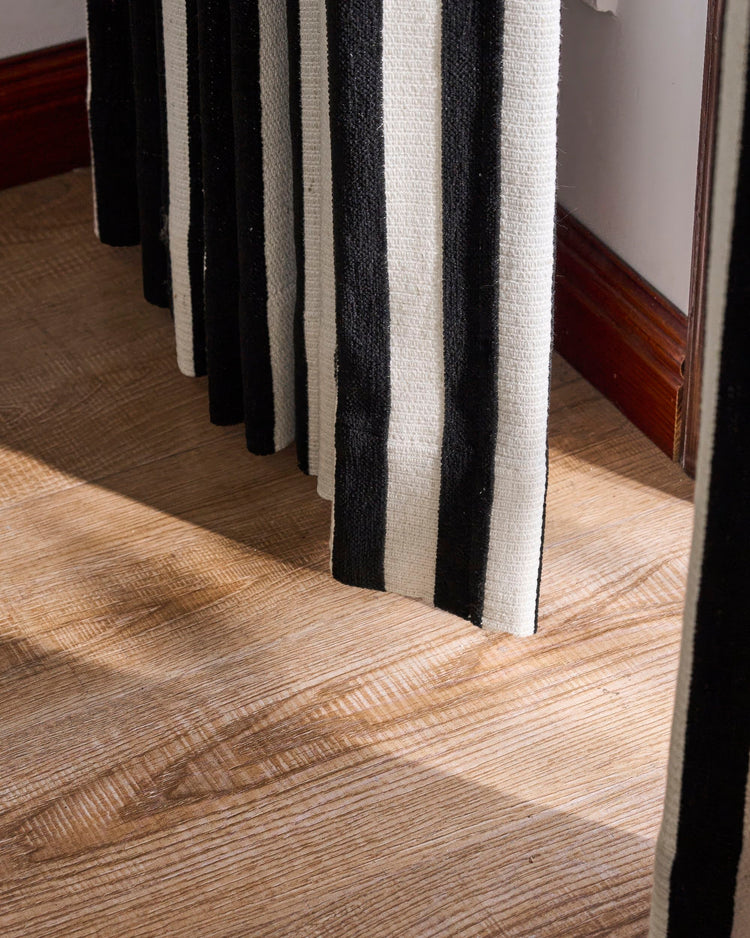
Choose a substantial fabric with enough weight to hang smoothly. The curtain should reach close to the floor so it reduces air movement under the panel. If you prefer a more polished look, use custom sizing instead of trying to force a standard panel into an unusual opening.

For best results, measure the opening carefully and plan enough width for a soft drape. The curtain measurement guide can help you confirm the right width and length before ordering.
Basements: Create a Smaller Comfort Zone
Basements are often cooler because they sit against the ground and may have unfinished edges, exposed utilities, or uneven ceiling conditions. Instead of trying to make the entire basement feel equally warm, it may be more practical to create a smaller comfort zone.
For example, you can separate a TV area, desk area, play area, or reading corner with curtains. This helps visually define the space and may make it easier to keep the area comfortable.
Use Freestanding or Tension-Based Hardware When Drilling Is Difficult
Basement ceilings can include drop tiles, ductwork, concrete, pipes, or uneven joists. In those situations, standard ceiling-mounted hardware may not be the easiest option.
Freestanding room-divider systems or vertical tension poles can give you more flexibility. They allow you to place a curtain where you need it without relying on a perfectly flat ceiling or permanent drilling.

If you use a space heater in any curtained area, follow the heater manufacturer's safety instructions. Keep heaters well away from curtains, cords, furniture, and other soft materials, and never leave a heater running unattended.
Deep Window Recesses: Choose a Treatment That Fits Close to the Glass
Deep window recesses are common in older homes, lofts, and certain brick or stone buildings. They add character, but they can be harder to dress with a standard curtain rod.
For this type of window, the best solution often depends on whether you want insulation, softness, or both.
Use Inside-Mount Shades for a Clean Fit
An inside-mount shade can sit closer to the glass and work well within a deep recess. This can be especially helpful when there is not enough wall space for a wide curtain rod.
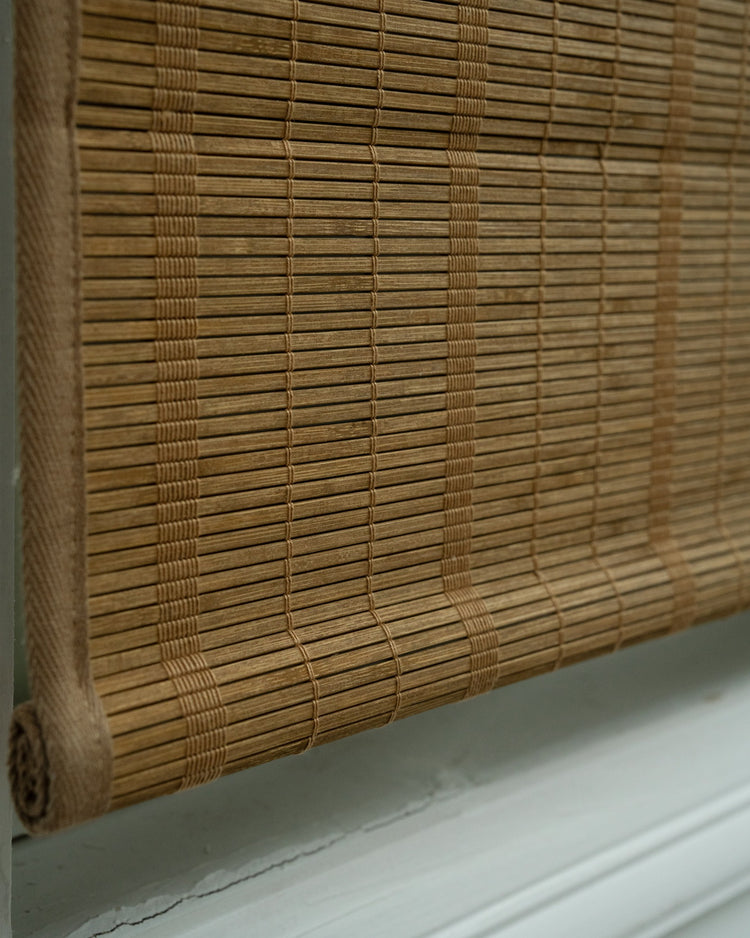
Roman shades are a good option when you want a tailored look with soft fabric texture. They can also pair nicely with outer drapery if the room needs more insulation or a more finished design.
Layer Shades with Curtains for Extra Warmth
For colder rooms, use a layered setup: a shade inside the recess for everyday light control, plus custom curtains mounted outside the recess for softness and added coverage.
This approach works well when the window is drafty but you do not want every room to feel visually heavy. The shade handles the close fit, while the curtain adds warmth and style.
Winter Window Treatment Checklist
| Problem Area | Start With | Best Window Treatment Direction | Why It Helps |
|---|---|---|---|
| Drafty windows | Seal small gaps around trim, sill, and frame | Thermal curtains or lined custom curtains | Sealing reduces airflow; fabric helps slow heat transfer |
| Bay windows | Check for condensation and air leaks | Individual shades or straight-across thermal curtains | Shades preserve the bay shape; curtains create a warmer evening buffer |
| Open stairways | Identify where warm air leaves the room | Doorway curtain or heavy fabric divider | Helps keep the main living area more comfortable |
| Basements | Create a smaller comfort zone | Room divider curtains with freestanding hardware | Defines the space and can make the most-used area feel cozier |
| Deep recess windows | Measure the inside depth and wall space | Inside-mount shade plus optional outer curtains | Combines close-fit function with a softer finished look |
Common Mistakes to Avoid
- Buying heavier curtains before checking drafts. Fabric helps more when air leaks are handled first.
- Closing thermal curtains all winter without checking moisture. Open them regularly and watch for condensation behind the panels.
- Using short curtains for winter comfort. Longer panels with better wall overlap usually perform better than short panels.
- Ignoring hardware strength. Heavy thermal curtains need hardware that can support the fabric safely.
- Placing curtains too close to heaters. Always keep fabric away from heat sources and follow appliance safety instructions.
Frequently Asked Questions
Do thermal curtains really help with drafty windows?
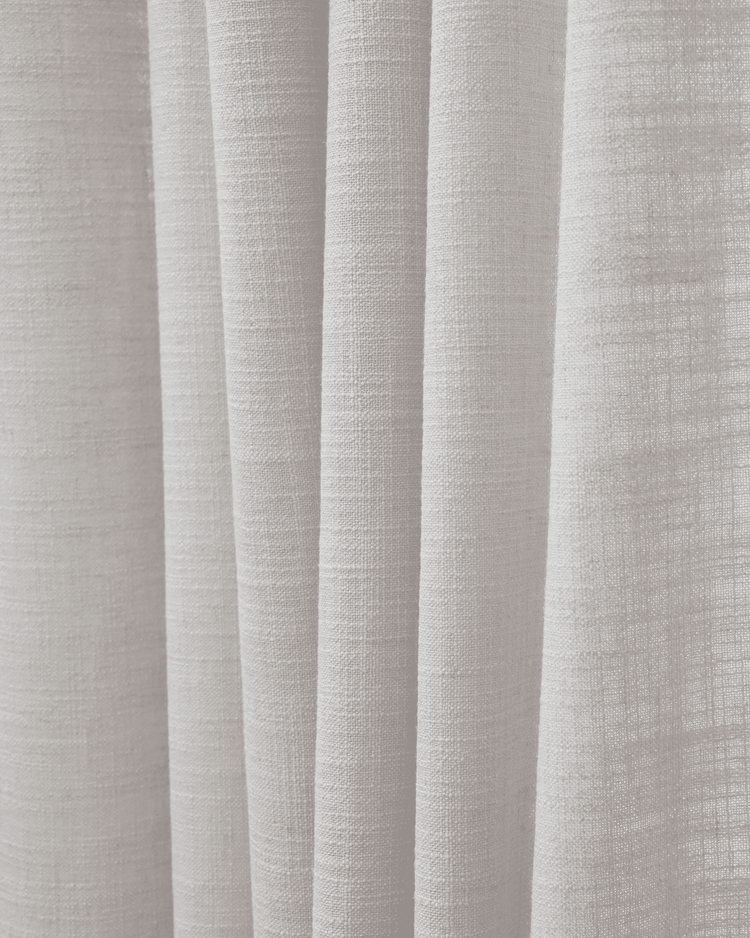
Thermal curtains can help a room feel more comfortable, especially when they are wide enough, long enough, and lined appropriately. However, they work best after obvious air leaks are sealed. If cold air is entering around the window frame, start with weatherstripping, caulk, or other draft-control steps first.
Are thermal curtains good for bay windows?
Yes, but the layout matters. Individual shades keep the bay window shape visible and flexible during the day. A straight-across thermal curtain can create a warmer buffer at night, but you should monitor condensation behind the curtain during cold weather.
Can curtains help keep heat from escaping up a stairway?
A doorway curtain can help reduce air movement between spaces and make a main room feel cozier. It is not a replacement for insulation or heating system improvements, but it can be a practical seasonal layer.
What is better for deep window recesses: curtains or shades?
Inside-mount shades often fit deep recesses more cleanly because they sit close to the glass. Curtains can still work well as an outer layer if you have enough wall space for the rod and want extra softness or insulation.
Should I choose blackout or thermal curtains for winter?
Choose based on the room's main problem. If the room feels cold, start with thermal curtains or a suitable liner. If the room also needs darkness, such as a bedroom or media room, blackout curtains may be a better fit. The right liner and installation often matter as much as the fabric color.
Final Takeaway
Winter comfort starts with the basics: seal drafts first, then choose the window treatment that fits the room. Bay windows, deep recesses, stairways, and basements all need slightly different solutions, so it helps to match the treatment to the problem instead of using the same curtain everywhere.
If you are planning a custom setup, start with accurate measurements, compare liner options, and think about how the room is used during the day and at night. You can review custom curtains, test ideas with the visualization tool, or ask the free design service for help before placing an order.