How to Choose Thermal Curtains for a Warmer Home This Winter


In this article 5 sections
As temperatures drop and the heating comes on more often, keeping your home warm can become an expensive challenge. You might notice a chilly living room, cold air near the windows, or a bedroom that never quite feels comfortable, even when the thermostat is turned up.
Before increasing the heat again, take a closer look at your windows.
Windows can be a significant source of heat loss, particularly in older homes or rooms with large expanses of glass. While curtains cannot replace proper insulation or energy-efficient windows, the right window treatments can help reduce heat transfer, improve comfort, and make your home feel warmer throughout the colder months.
So, how do thermal curtains work, what should you look for when choosing them, and can they really help lower your energy bills?
Let's break it down.

1. How Do Thermal Curtains Help Keep Your Home Warm?
Thermal curtains are designed to help reduce heat transfer through windows. Depending on their construction, they may feature heavier fabrics, insulating linings, or multiple layers that create an additional barrier between the room and the cold window surface.
Here's how they can help.
They Add an Extra Insulating Layer
When closed, curtains create an additional layer between the indoor space and the window. The fabric and the air trapped between the curtain and glass can help reduce heat exchange.
Thermal-lined curtains are particularly useful because their construction is designed to improve insulation compared with many lightweight, unlined alternatives.
They Help Reduce the Impact of Drafts
Curtains can help limit the movement of cold air near windows, particularly when they fit well and cover the window area effectively.
However, curtains won't fix significant air leaks around frames. If you can feel air coming through gaps, sealing those gaps is an important complementary step.
They Make Living Spaces Feel More Comfortable
Thermal curtains aren't only about energy efficiency. By reducing the discomfort associated with cold windows, they can help make living rooms, bedrooms, and other frequently used spaces feel more inviting.
This is especially valuable during the winter months, when you want your home to feel like a warm retreat from the cold outside.

2. What Should You Look for When Choosing Thermal Curtains?
Not all curtains provide the same level of insulation. If your goal is to improve winter comfort, pay attention to more than color and appearance.
1. Fabric Weight and Construction
Heavier fabrics can provide a more substantial barrier than lightweight, sheer materials. Velvet and other heavyweight fabrics are popular options for winter interiors because of their dense construction and ability to create a fuller drape.
However, fabric weight alone doesn't determine thermal performance. The lining, overall construction, and installation all matter.
2. Thermal or Insulating Lining
A dedicated thermal lining can help improve a curtain's insulating performance.
When comparing products, check whether thermal insulation is an explicitly stated feature rather than assuming that every thick curtain will perform equally well.
For particularly cold rooms, consider curtains with multiple layers or a suitable insulating liner.
3. Proper Coverage and Fit
Even a well-constructed curtain may be less effective if large gaps allow air to circulate freely around its edges.
For better coverage:
-
Choose a width that allows the curtains to close with sufficient fullness.
-
Consider floor-length curtains where the room layout allows.
-
Extend the curtain coverage beyond the window frame when practical.
-
Minimize gaps at the sides and between panels.
The goal is to create a more effective barrier without compromising the way the curtains look or function.
4. A Style That Works for Your Home
Thermal performance matters, but so does everyday usability.
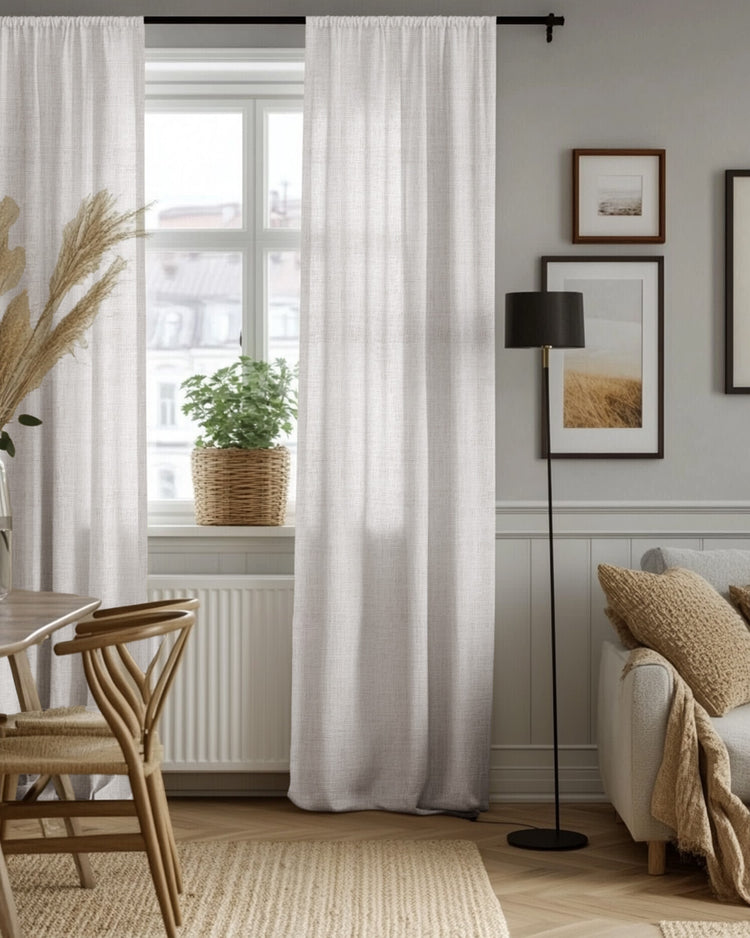
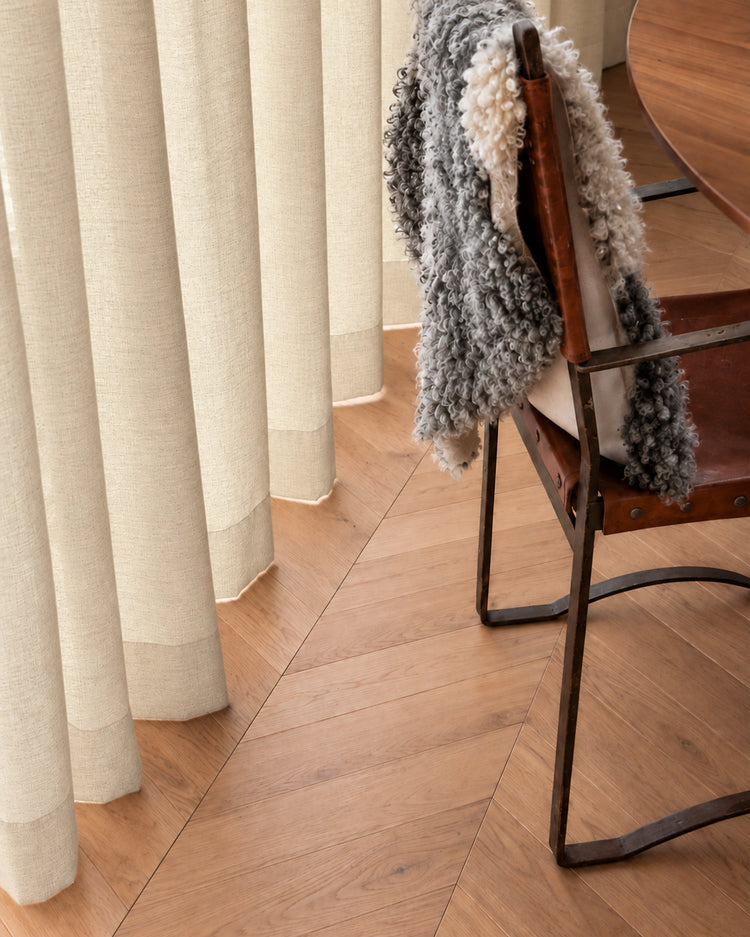
Think about the room's existing colors, furniture, and natural light. A heavyweight velvet curtain can create a rich, cozy atmosphere in a living room, while a linen-look design may suit a more understated interior.
The best choice is one that balances your insulation needs with your preferred style.
Matthew (@home.in.a.hanbury) is a stay-at-home dad who is renovating a Victorian-era home with his wife. With older walls and limited insulation, keeping the house warm has been an ongoing challenge. To make their bedroom more comfortable, Matthew chose TheHues Hussein 4-Layer Thermal Blackout Custom Curtains. After installation, the bedroom felt noticeably warmer, making their historic home a little cozier during the colder months.(@home.in.a.hanbury)
3. How to Get More From Your Curtains This Winter
Choosing the right curtains is only part of the process. A few simple habits can help you make better use of them throughout the colder months.
Open your curtains during sunny hours.
When direct sunlight reaches your windows, opening the curtains can allow useful solar warmth into the room. This is particularly beneficial for windows that receive substantial winter sunshine.
Close them as temperatures drop.
As daylight fades and outdoor temperatures fall, close your curtains to create an additional barrier between the room and the window.
Check for gaps around the windows.
If cold air is coming through damaged seals or poorly fitted frames, address the underlying issue where possible. Curtains can complement draft-proofing, but they cannot replace it.
Choose the right curtain length and width.
Curtains should provide adequate coverage when closed. Avoid leaving large uncovered sections of glass simply because the panels are too narrow.
Consider the room as a whole.
Window treatments work best as part of a broader approach to home comfort. Insulating windows, sealing drafts, maintaining your heating system, and improving insulation where needed can all contribute to a warmer home.
These small adjustments can help you make more effective use of your existing heating while creating a more comfortable winter environment.
4. Which TheHues Thermal Curtains Are Right for Your Home?
If you're looking for window treatments that combine winter comfort with considered design, explore the TheHues Thermal Curtains Collection.
The collection includes options featuring heavyweight fabrics, thermal insulation, and different decorative styles, making it easier to find a solution that suits your space.
Here are a few options to consider.
For a Cozy, Luxurious Living Room
Heavyweight velvet curtains can bring visual warmth and a fuller, more substantial appearance to a room.
The Classic 4-Layer Velvet Heavyweight Soundproof Thermal Blackout Custom Curtain combines a heavyweight velvet construction with thermal and blackout features. It's worth considering for spaces where insulation, light control, and a rich fabric appearance are all priorities.
For a Refined, Understated Interior
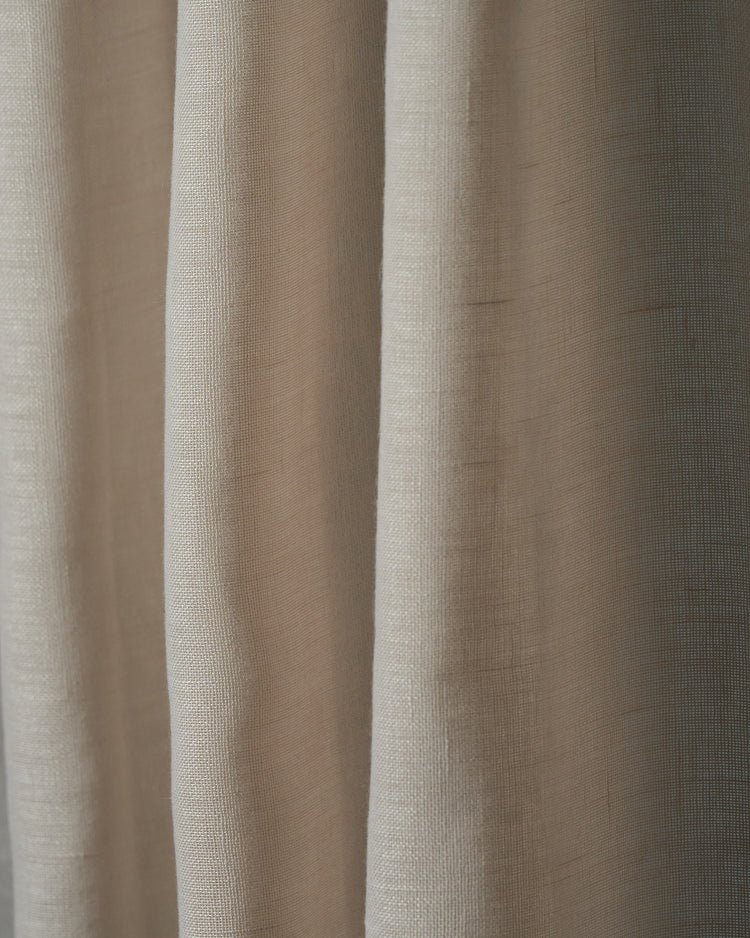
If you prefer a more subtle aesthetic, linen-look thermal curtains can offer a softer visual texture while providing practical functionality.
Options such as the Kensington 4-Layer Linen-Look Thermal Blackout Custom Curtain may suit bedrooms and living spaces where you want a tailored appearance without the look of traditional heavy velvet.
For a More Personalized Fit
Every window is different. Large windows, patio doors, and unusually shaped openings may require different dimensions and curtain configurations.
Custom curtains allow you to choose suitable measurements and styling details for your space. When ordering, review the available lining options, construction details, and installation requirements to make sure the product matches your needs.
Tanaka (@nakatmydoor) wanted to refresh her daughter's bedroom, where the bed sits directly beneath a window. Finding curtains that could block unwanted light, help reduce noise, and improve thermal comfort without compromising the room's aesthetic was essential. She chose TheHues Florence 4-Layer Thermal Blackout Custom Curtains in Oatmeal, a warm, versatile shade that complements the bedroom beautifully. The result? A cozy, stylish space that meets her family's practical needs.
(@nakatmydoor)
Browse the TheHues Thermal Curtains Collection to compare styles and explore options for your home.
A Warmer Home Starts at the Window
When winter arrives, keeping your home comfortable doesn't always mean turning up the heat.
The key is knowing what to look for: suitable fabric construction, effective thermal lining, adequate window coverage, and a design that works for your everyday life.
While thermal curtains alone cannot guarantee lower energy bills, they can be a useful part of a broader home energy-efficiency strategy, especially when paired with effective draft-proofing and proper insulation.
Ready to make your home feel cozier this winter?
Explore the TheHues Thermal Curtains Collection and find a window treatment that brings together warmth, comfort, and style.