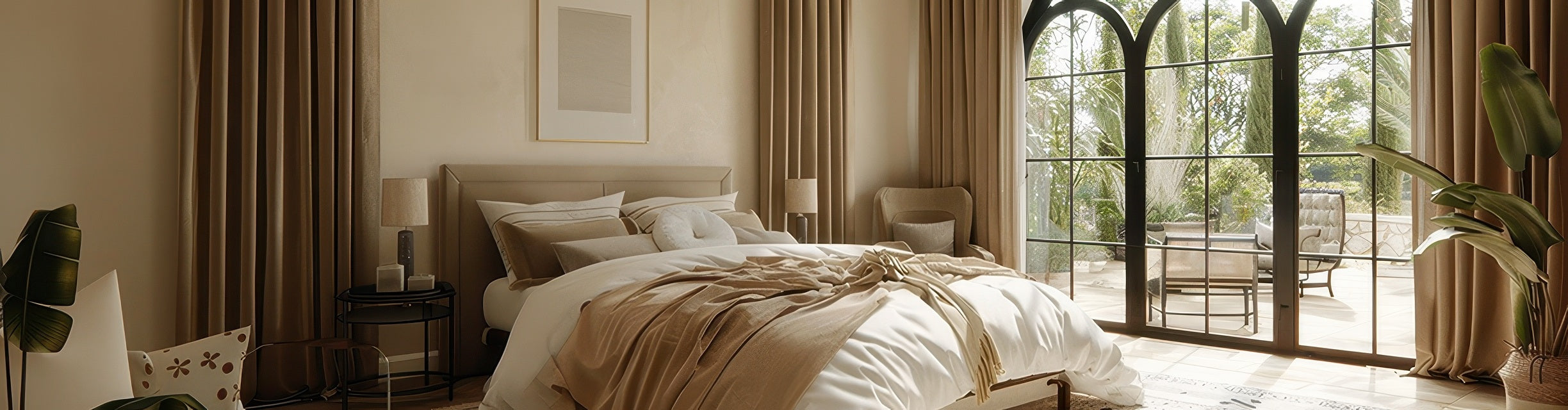
Soundproof Curtains vs. Other Soundproofing Options: Which is Right for You?


In this article 6 sections
Unwanted noise is more than just a nuisance; it’s a major stressor. Whether it’s the constant hum of traffic, loud neighbors, or construction work, you have the right to a peaceful environment. However, not all soundproofing methods are created equal. In fact, most people confuse sound isolation (blocking noise from entering) with sound absorption (reducing echo inside). Knowing the difference will save you time and money.
Whether you are trying to quiet a bedroom for better sleep or treat a home office for clearer calls, this guide cuts through the noise to help you choose the right solution for your space.
1. Soundproof Curtains
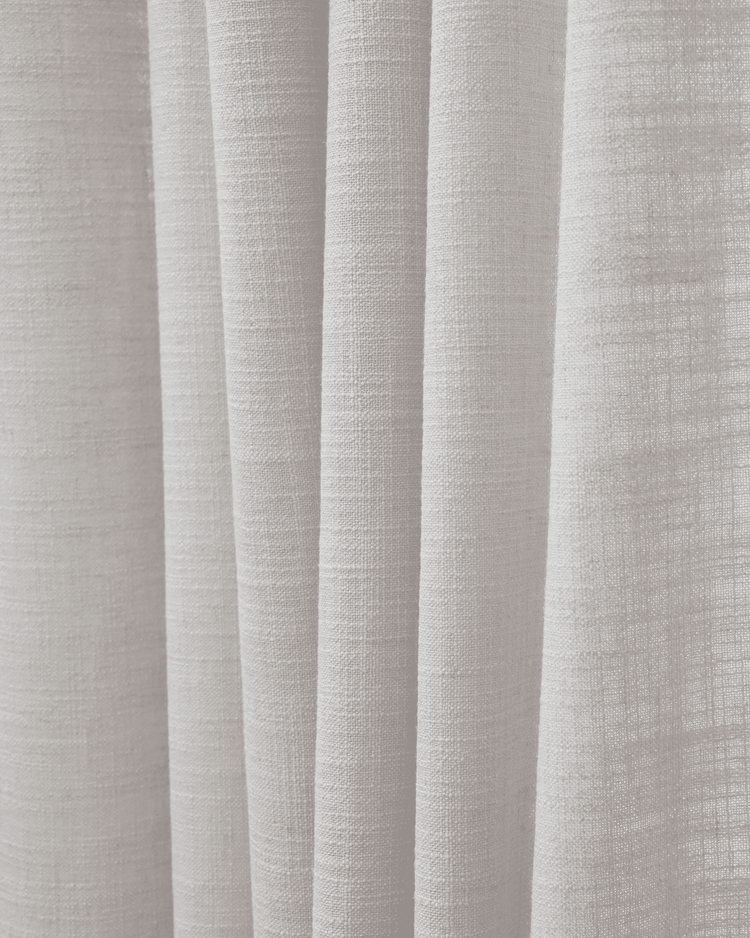
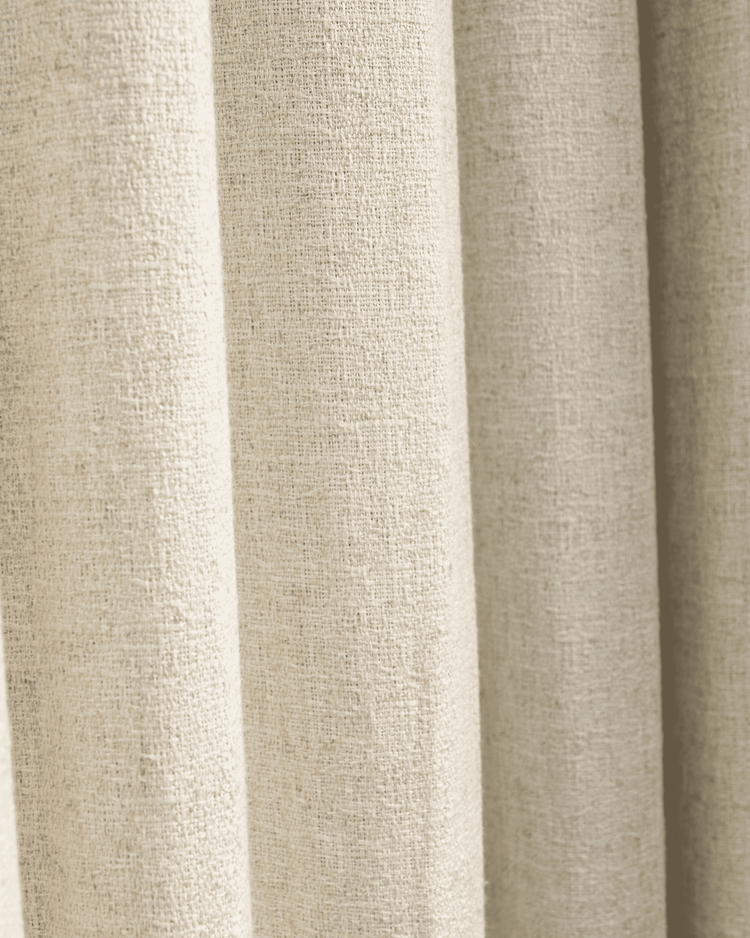
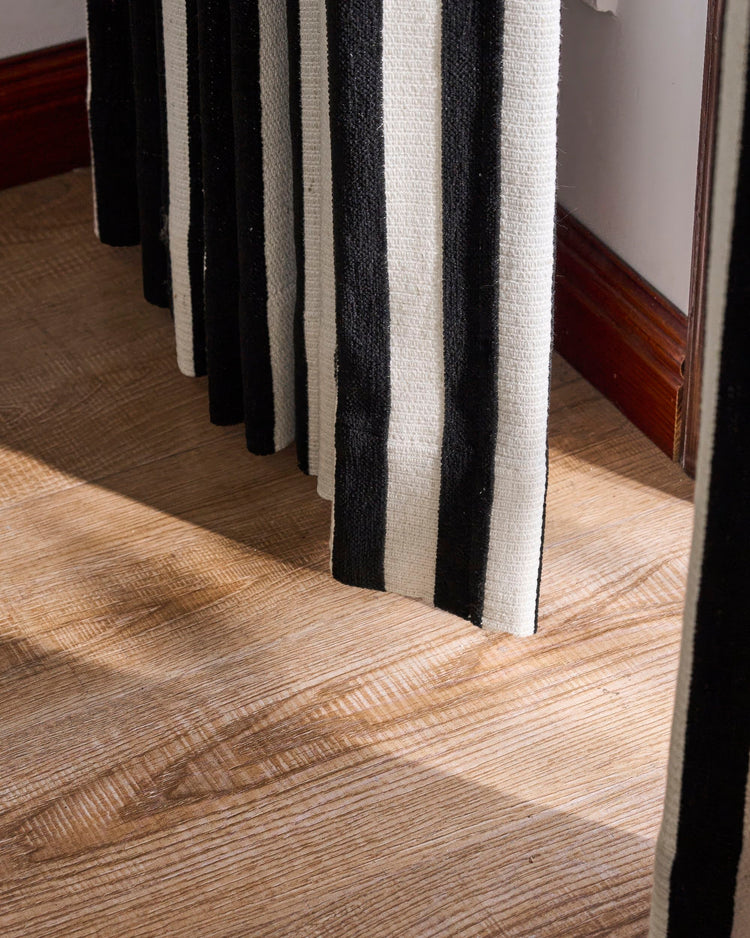
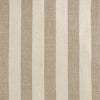
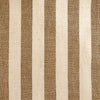
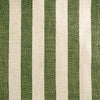
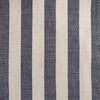
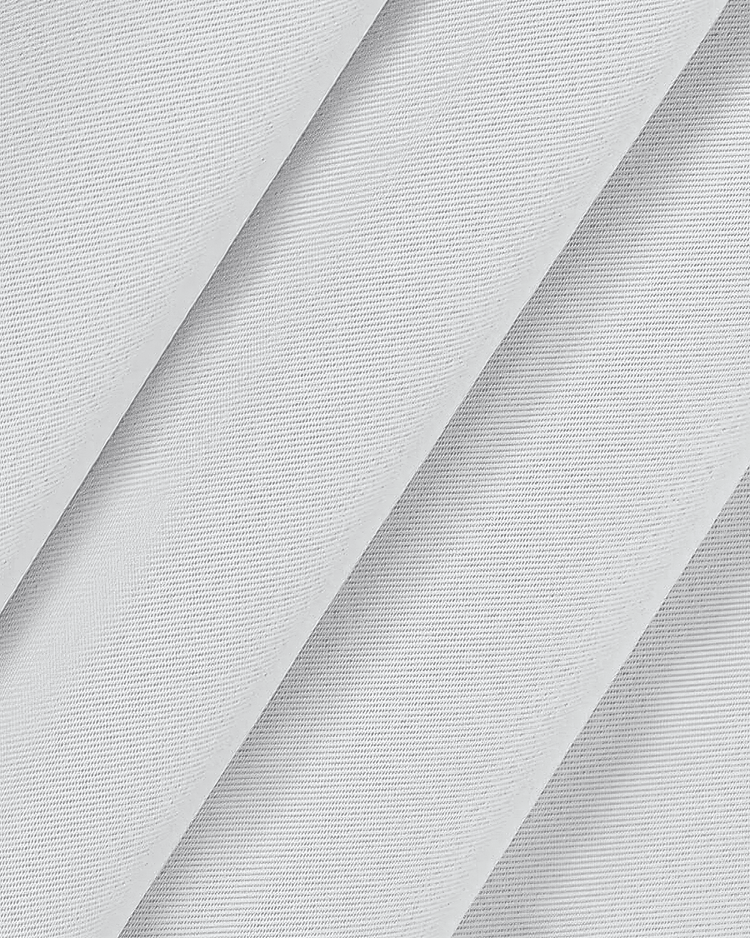
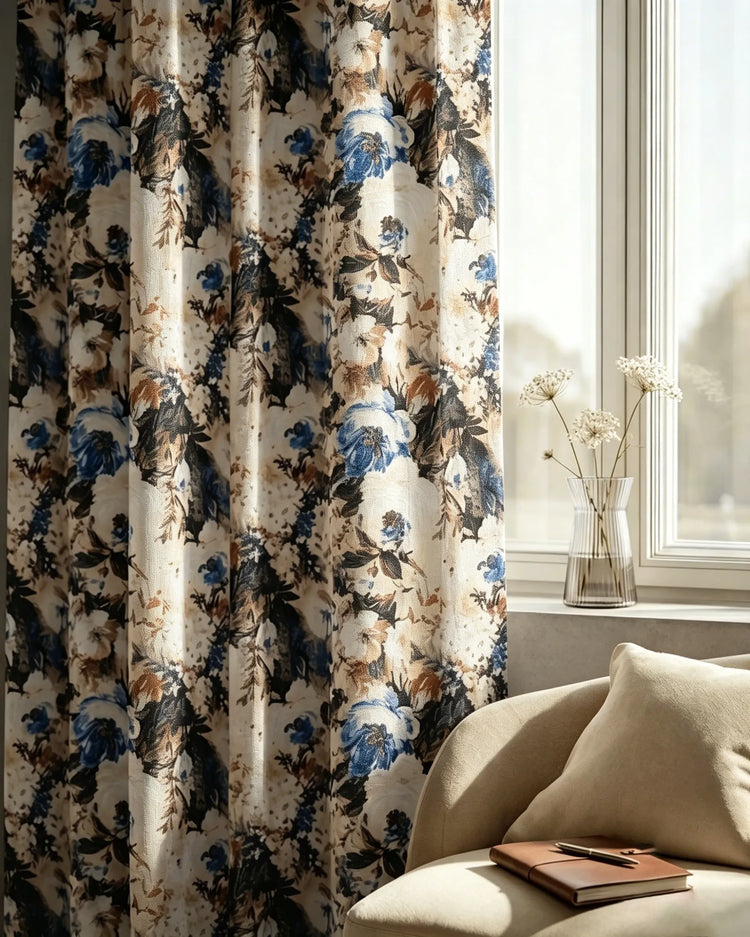
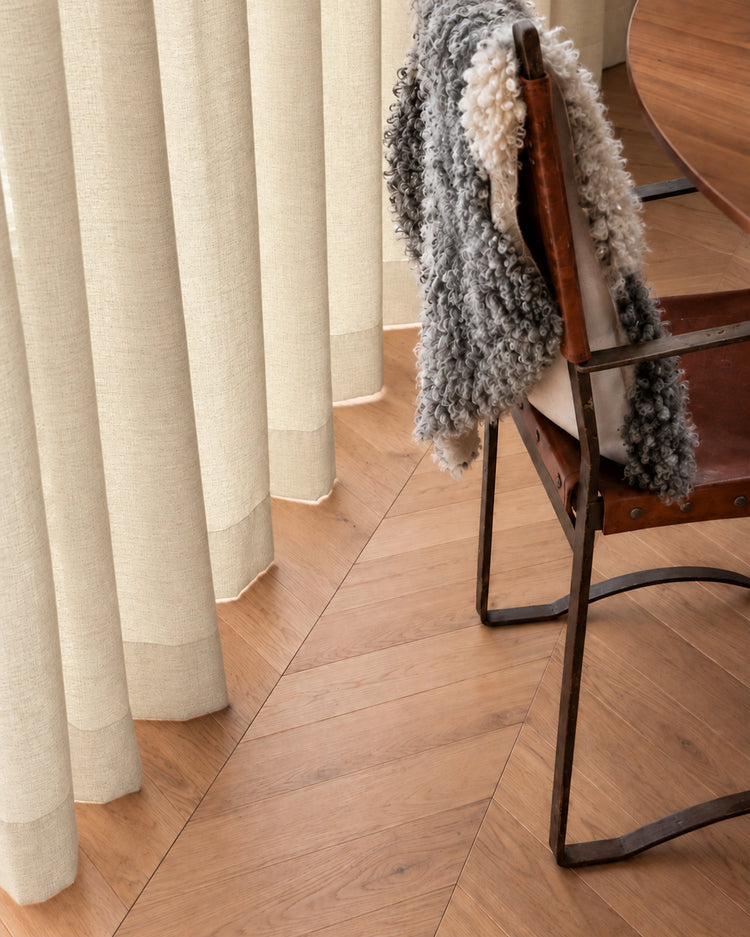
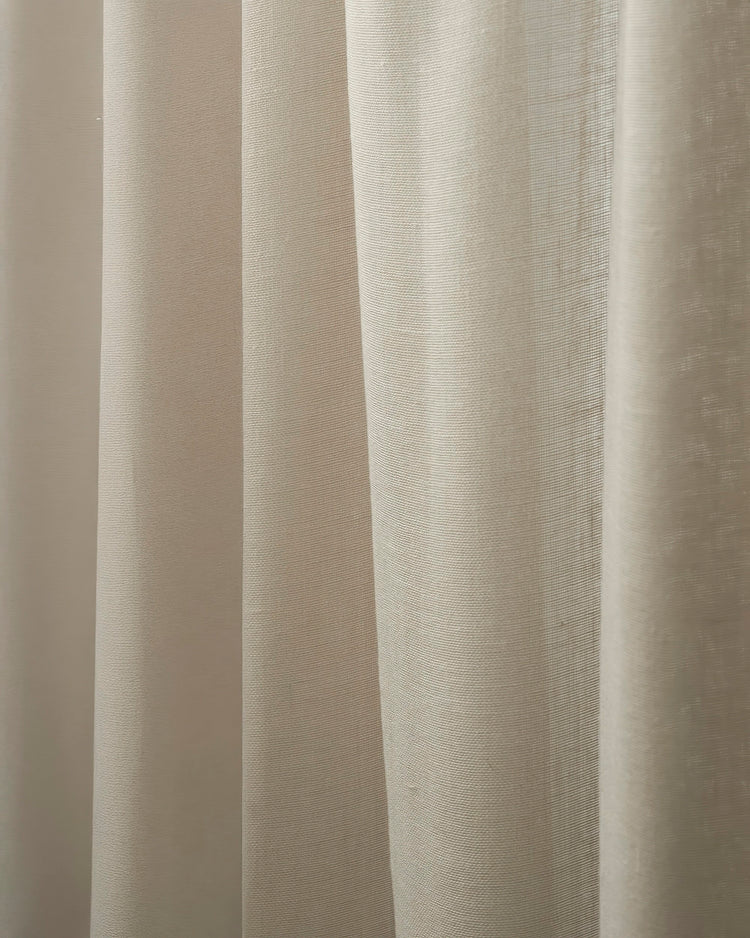
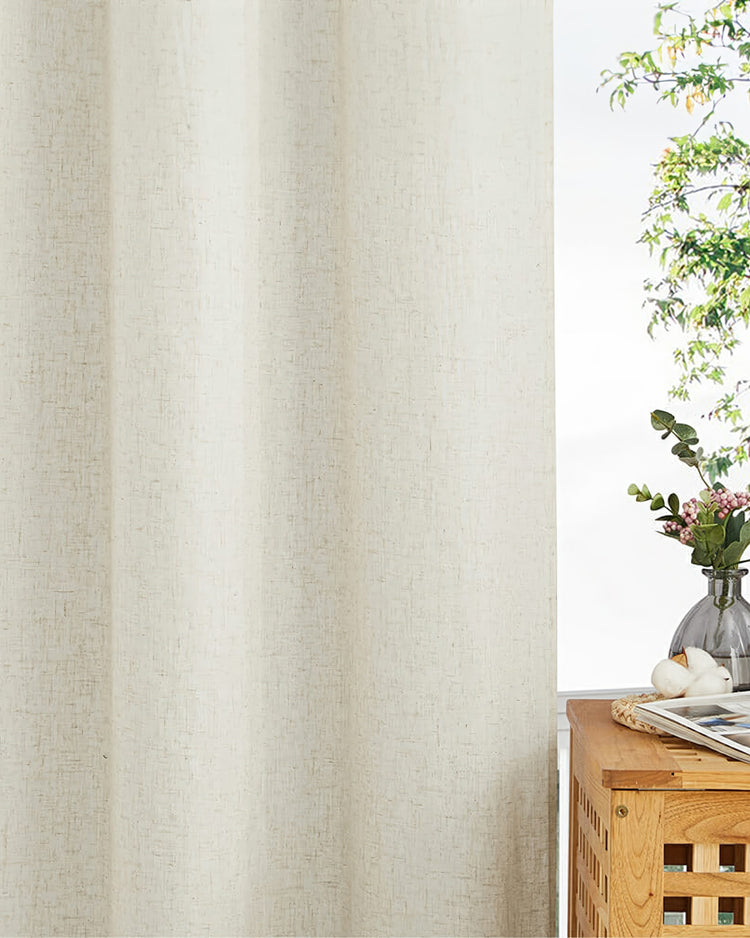
If you need a solution that actually reduces the amount of noise entering your room without requiring construction, soundproof curtains are your first line of defense. Unlike standard window treatments, soundproof curtains work using the principle of mass. They are heavy, dense, and often feature multiple layers designed to dampen sound waves and seal off the "weakest link" in your room: the windows.
Beyond noise reduction, they provide thermal insulation and total blackout capabilities, making them the most versatile option for renters and homeowners alike.

 100% Blackout
 Better sleep
 Noise Reducing
 Energy Saving
Pros:
- Blocks External Noise: The high density helps reduce traffic and neighborhood sounds.
- Triple Function: Provides sound dampening, blackout, and thermal insulation in one product.
- Easy Installation: No tools or contractors required; hang them like standard curtains.
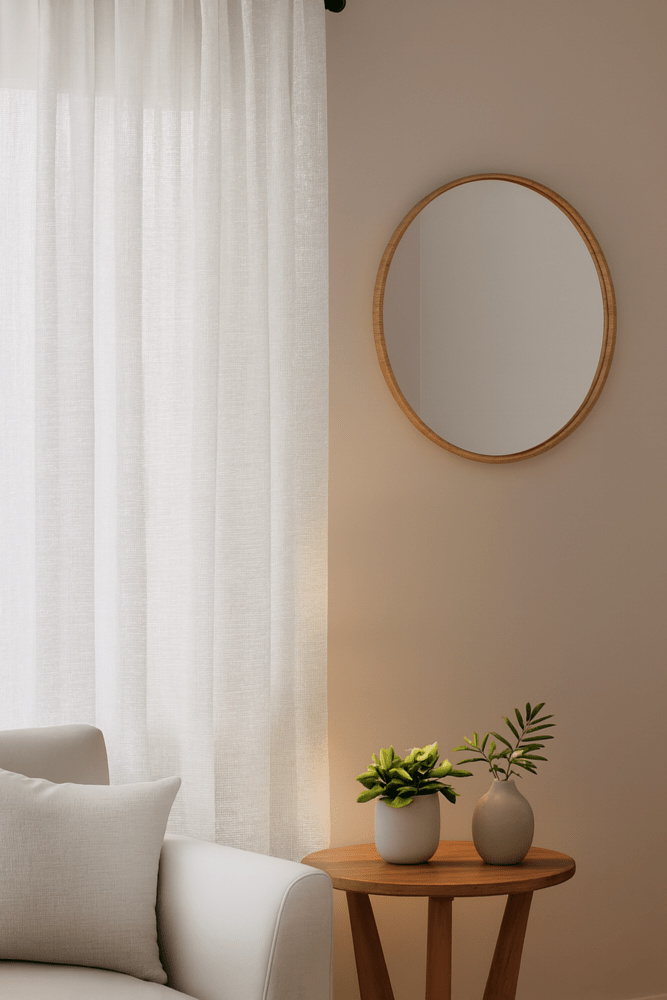
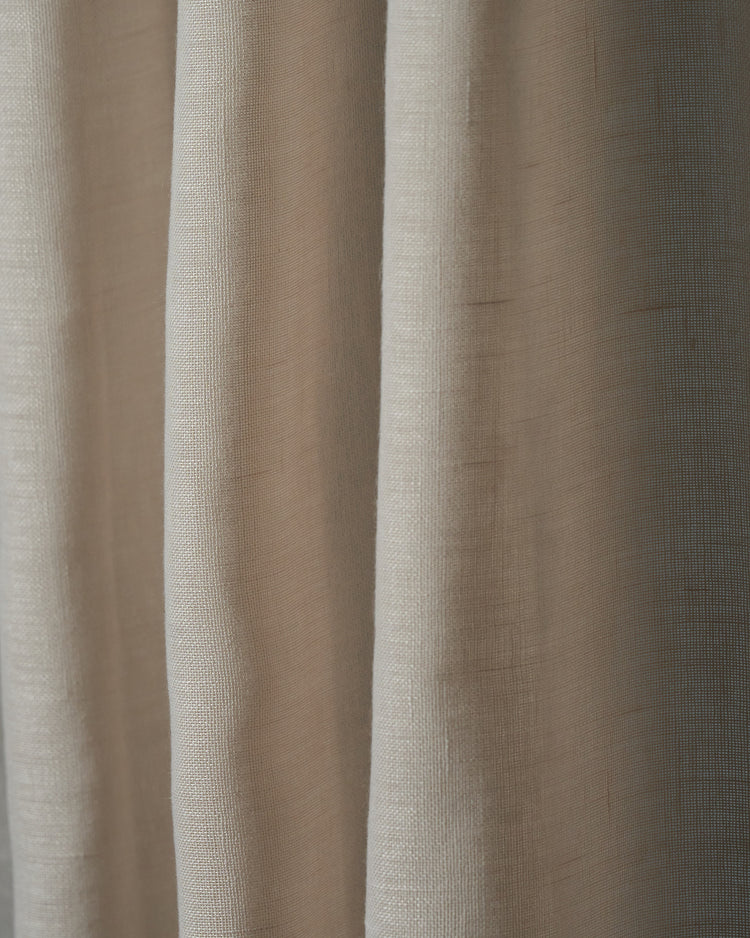
- Aesthetic Upgrade: Available in luxury fabrics like velvet and faux linen to elevate your decor.
Cons:
- Weight: Requires a sturdy curtain rod due to the heavy fabric density.
- Gap Management: For maximum effect, they must cover the window completely (floor to ceiling is best).
2. Soundproof Blinds (Cellular Shades)
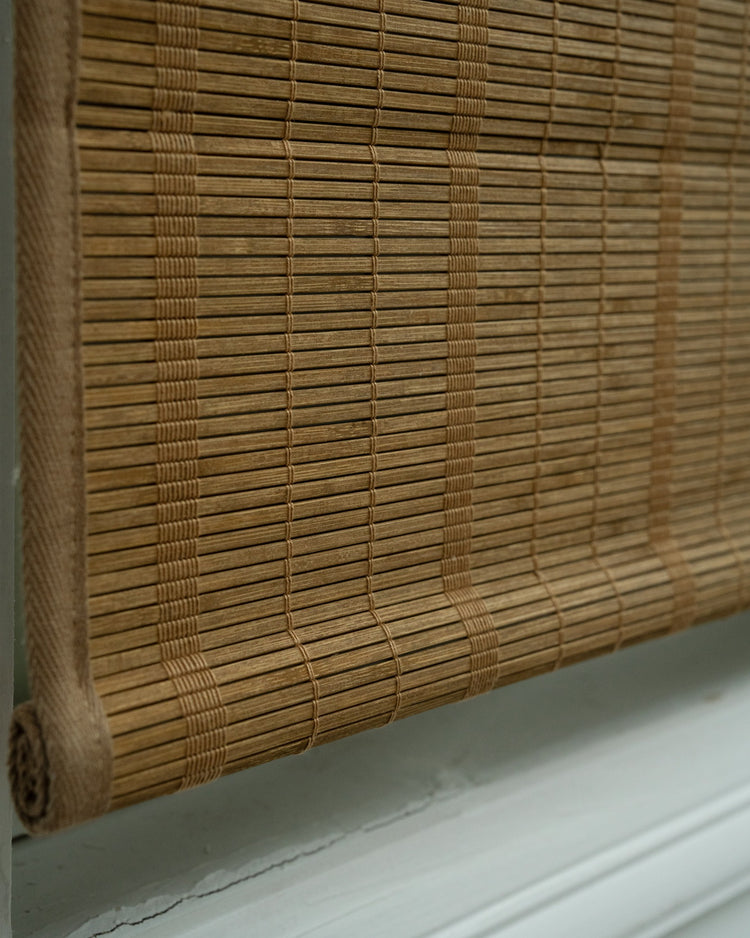
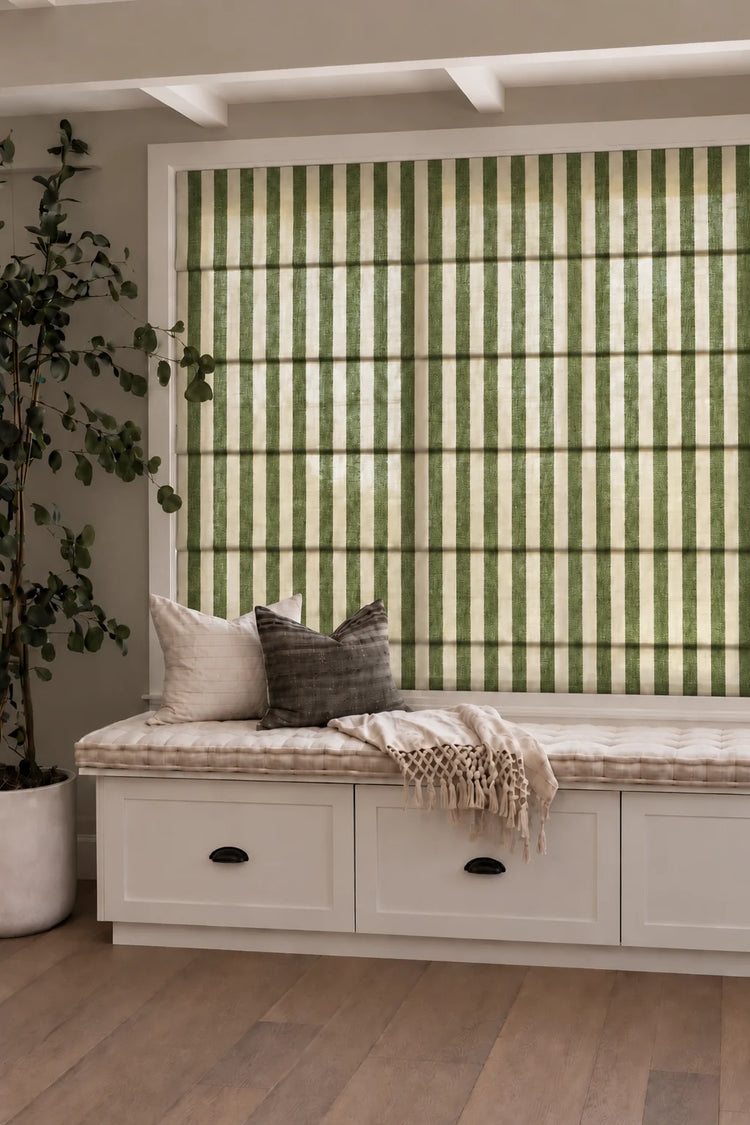
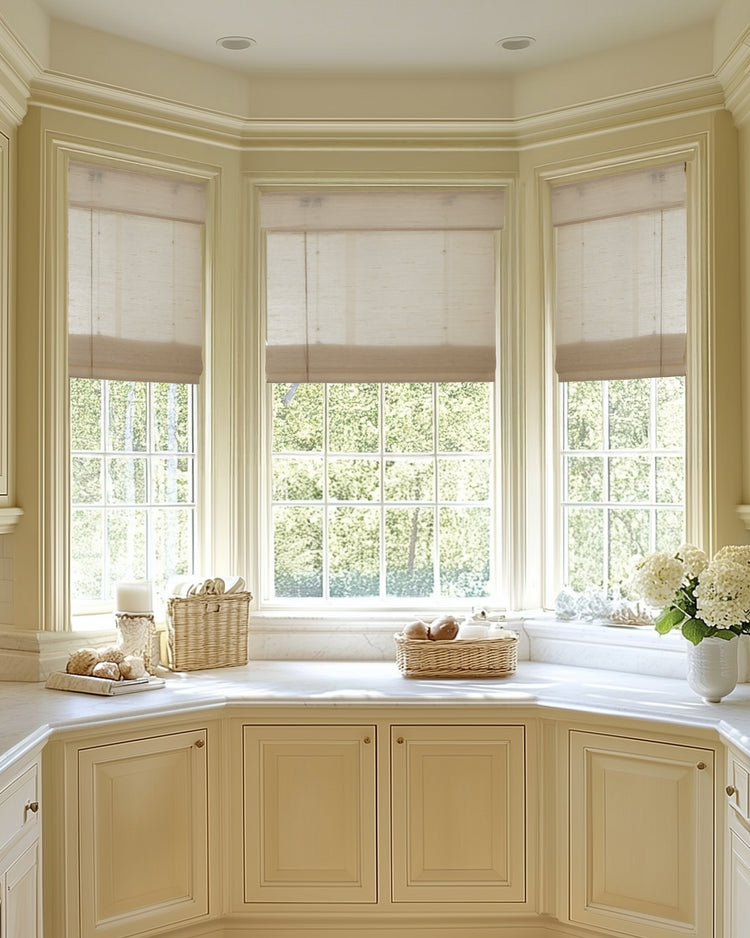
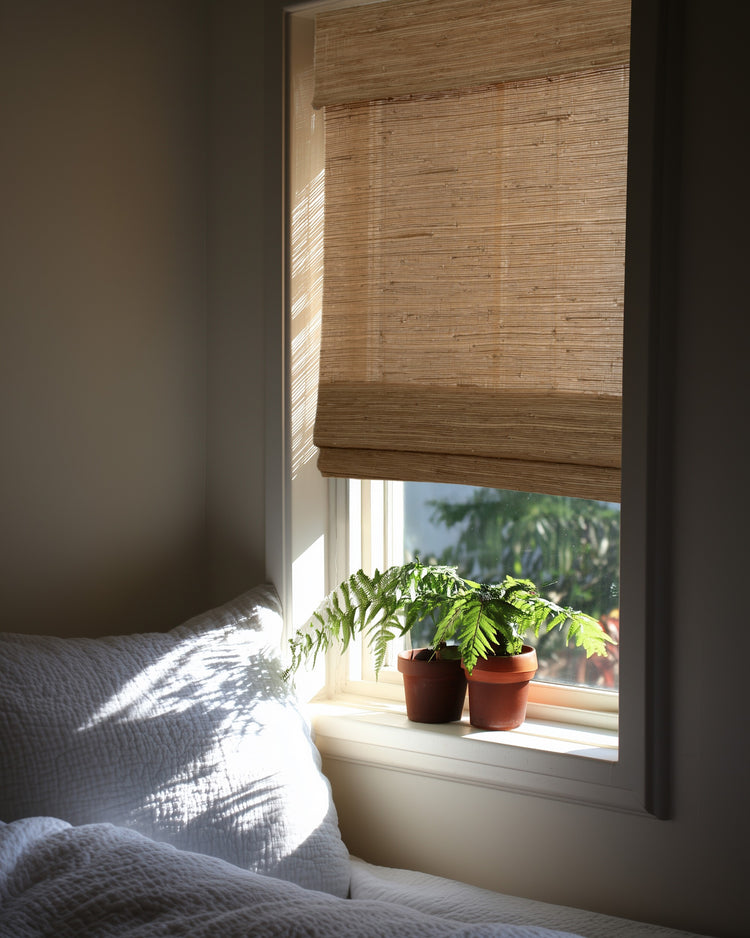
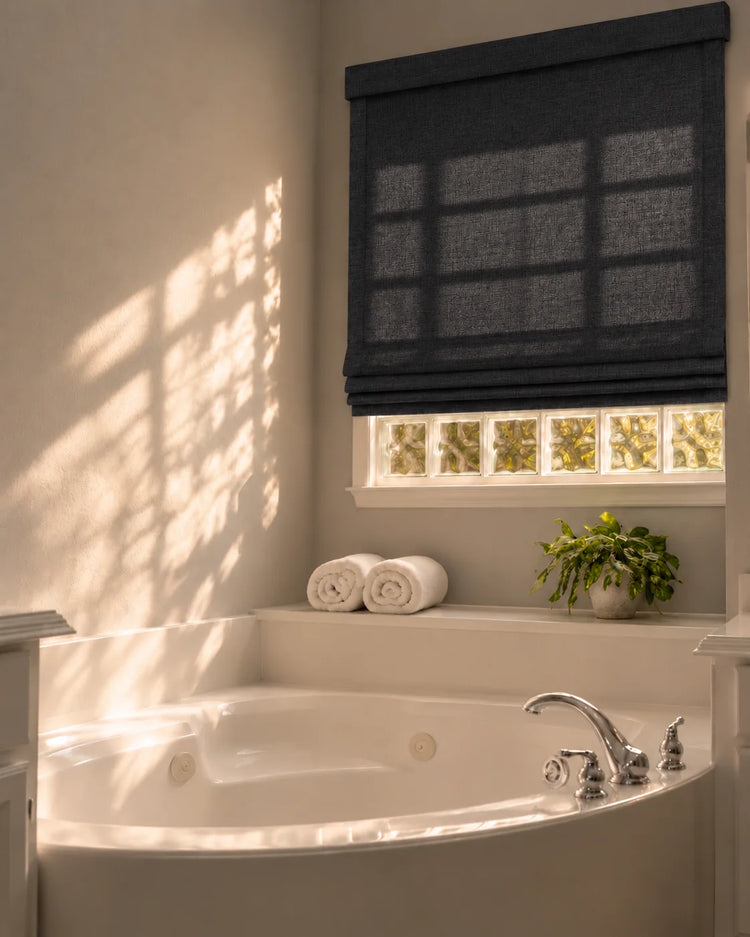
When people speak of "soundproof blinds," they are almost exclusively referring to honeycomb or cellular shades. These blinds feature a unique cell structure that traps air, creating a buffer zone between the window and the room. While they are less effective at blocking heavy noise than thick soundproof curtains, they offer a clean, modern look and moderate acoustic dampening.

Pros:
- Air Buffer: The honeycomb structure traps air, reducing mild noise transfer.
- Low Profile: Excellent for modern, minimalist aesthetics.
Cons:
- Less Mass: Significantly less effective at blocking loud noises compared to heavy soundproof curtains.
- Gaps: Sound often leaks through the sides of the blinds.
3. Acoustic Panels
It is important to clarify a common misconception: Acoustic panels do not "soundproof" a room from the outside world. Instead, they "treat" the room. Acoustic panels are made of porous materials (foam, fiberglass, or wool) designed to stop sound from bouncing off hard walls. If your goal is to make your voice sound better on a Zoom call or to stop your living room from sounding like a gymnasium, this is your solution.
Pros:
- Eliminates Echo: drastically improves audio clarity inside the room.
- Visual Flair: Available in various geometric shapes and colors.
Cons:
- Does Not Block Noise: Will not stop a neighbor's dog barking or sirens from outside.
- Installation: Often requires adhesive or mounting hardware that can damage walls.
4. Bass Traps
Bass traps are heavy-duty acoustic treatments designed specifically for the low-end frequencies that regular panels can't handle. Low frequencies (like the thump of a subwoofer or heavy truck traffic) tend to build up in the corners of a room. Bass traps absorb this energy to clean up the sound. Like acoustic panels, these are for sound quality, not for stopping noise transmission.
Pros:
- Critical for Media Rooms: Essential for home theaters or music studios to prevent "boomy" audio.
- Absorbs Low Energy: Handles frequencies that standard curtains or panels miss.
Cons:
- Bulky: They occupy significant space in the corners of the room.
- Cost: High-quality bass traps are an investment.
5. Soundproof Paint
If you are looking for a miracle in a can, you may be disappointed. "Soundproof paint" is a thick, heavy-bodied paint designed to add a microscopic layer of mass to your walls. While it is technically better than standard latex paint, the real-world difference is often negligible for the price. It is best used as a "finishing touch" in a fully soundproofed room rather than a standalone solution.
Pros:
- Invisible: Doesn't change the look of the room (other than color).
- Easy Application: Applies just like regular paint.
Cons:
- Low Efficiency: Offers the least sound reduction of any method on this list.
- Volume Required: You need to apply many thick coats to see any result, making it surprisingly expensive.
Which Solution is Right For You?
The choice comes down to your primary goal: blocking noise or fixing echo.
- To block outside noise (Traffic, Neighbors): Your best non-construction options are Soundproof Curtains. They add the necessary mass to your windows to dampen incoming sound waves effectively.
- To improve internal sound (Home Office, Theater): Use Acoustic Panels or Bass Traps to stop reverb.
For most homeowners and renters dealing with city noise, upgrading your window treatments to high-density curtains is the most effective, immediate step you can take.