Inside Guilford Cottage: Allie's Stay & Shop Story


In this article 8 sections
Guilford Cottage turns The Nottinghome's online design world into a place people can enter and stay in. Created as more than a polished rental, the cottage lets guests notice details that social media cannot fully show: how a room feels at night, how daylight changes a pattern, and how window treatments work during ordinary routines.
This is the third story in the TheHues x TheNottingHome series. The first article introduced the partnership, while the second covered Allie's approach to proportion, fullness, texture, and color. Here, the focus moves from design advice to the real setting behind those ideas.
For Allie's curtain principles, read Designer Custom Curtains: 3 Styling Rules from Allie.
From a Chicago Condo to The Nottinghome
Allie's path into home design began with a small Chicago condo. She and her husband later moved to Michigan, where they worked on homes and commercial spaces. An 1890s farmhouse became an important turning point. The scale of that renovation pushed her beyond familiar choices and helped her define a style centered on livability rather than display.
Today, Allie lives in Bluffton, South Carolina. On The Nottinghome's official About page, she describes her style as “rustic yet elegant—minimal and clean-lined, but always layered with warmth.” Muted neutrals, natural textures, historic details, and family life all shape that point of view.
That history matters because Guilford Cottage is not a showroom assembled around a single photograph. It is part of a longer effort to make thoughtful rooms usable, welcoming, and connected to daily life.
What Is Guilford Cottage?
Guilford Cottage is a design-led stay created by The Nottinghome. It gives guests a chance to spend time inside a fully considered home instead of viewing individual rooms only through posts and short videos. The project connects hospitality with shoppable home design, while keeping the stay itself at the center.
The distinction is useful. A traditional vacation rental is usually presented around location, amenities, and availability. Guilford Cottage also asks visitors to pay attention to the home itself: the way rooms connect, the scale of the furniture, the character of the finishes, and the changing light around the windows.
See the official Guilford Cottage stay page for current project and booking information.
How the Stay & Shop Idea Works
Social media is good at introducing an idea. It is less useful for judging whether that idea works in a real room. A stay gives people time to observe materials at different hours, sit with the color palette, use the furniture, and notice which details continue to feel practical after the first impression.
The Nottinghome describes its hospitality partnerships as “Stay & Shop” experiences. The concept narrows the distance between inspiration and decision-making. Guests are not limited to a styled image. They can consider how a space supports conversation, rest, movement, privacy, and light throughout the day.
Specific purchasing methods and the number of shoppable pieces may change over time, so those details should come from the cottage's current official information. The lasting idea is simpler: a real stay gives design choices context.
Why Real Rooms Tell You More Than Instagram
A camera can make a window look larger, flatten the distance between objects, and shift how colors appear. Editing and screen settings add another layer of variation. Those limits do not make social media unhelpful, but they explain why a room can feel different in person.
|
Design detail |
A photo can show |
A real stay can reveal |
|
Color |
The intended palette |
How color changes from morning to evening |
|
Scale |
The arrangement of a room |
Clearances, sightlines, and how the room feels in motion |
|
Window treatments |
Pattern and general silhouette |
Privacy, movement, light filtering, and daily operation |
|
Materials |
Surface detail at one distance |
Texture, weight, comfort, and maintenance in use |

Window Treatments Inside the Cottage
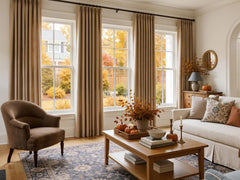
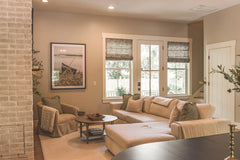
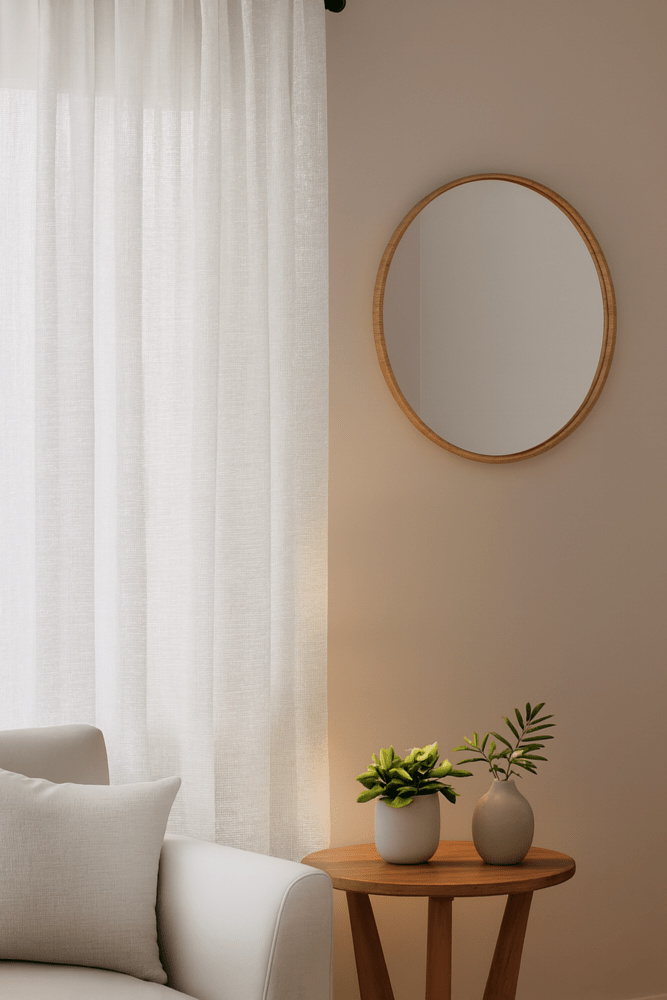
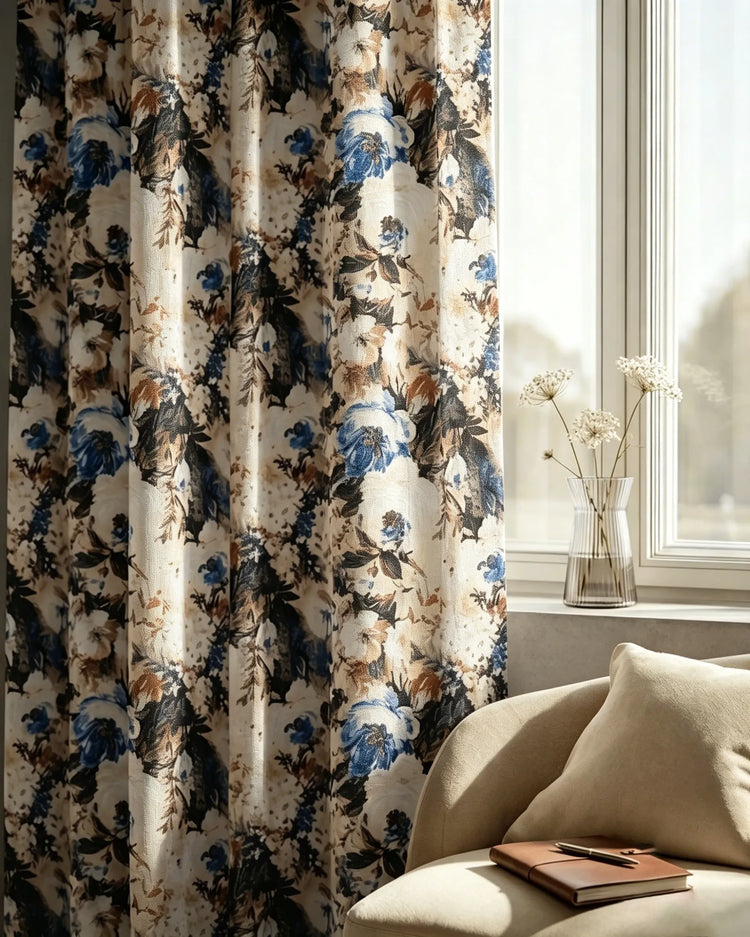
The cottage provides a useful setting for seeing window treatments as part of a complete room. Their effect depends on the architecture, nearby furniture, natural light, and the way each space is used. That context is more useful than judging a curtain or shade against a blank background.
Proportion and floor length
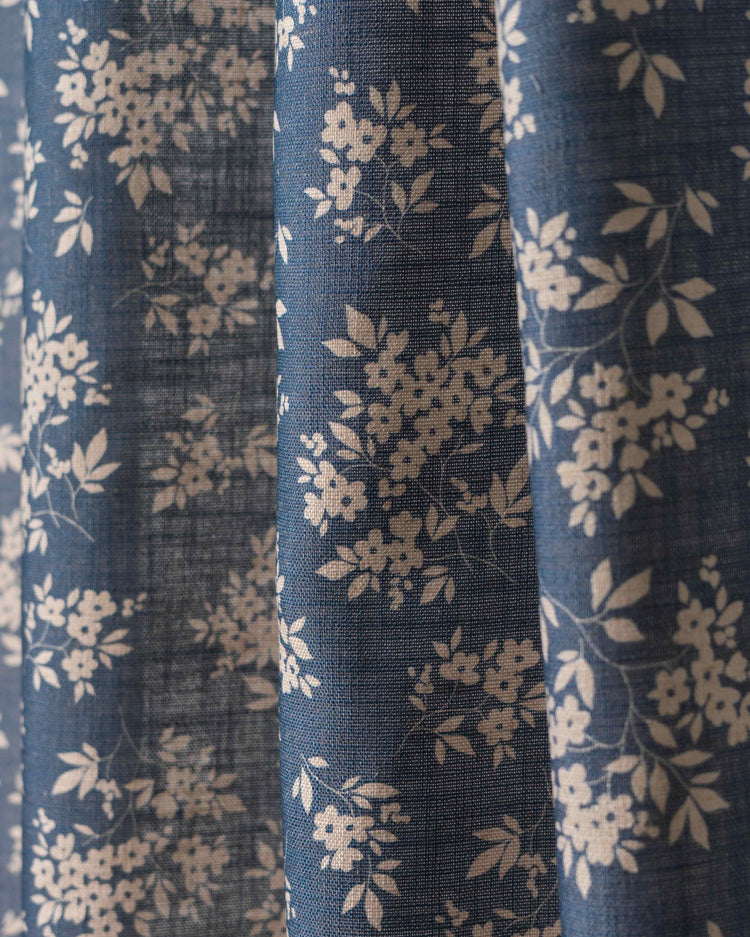
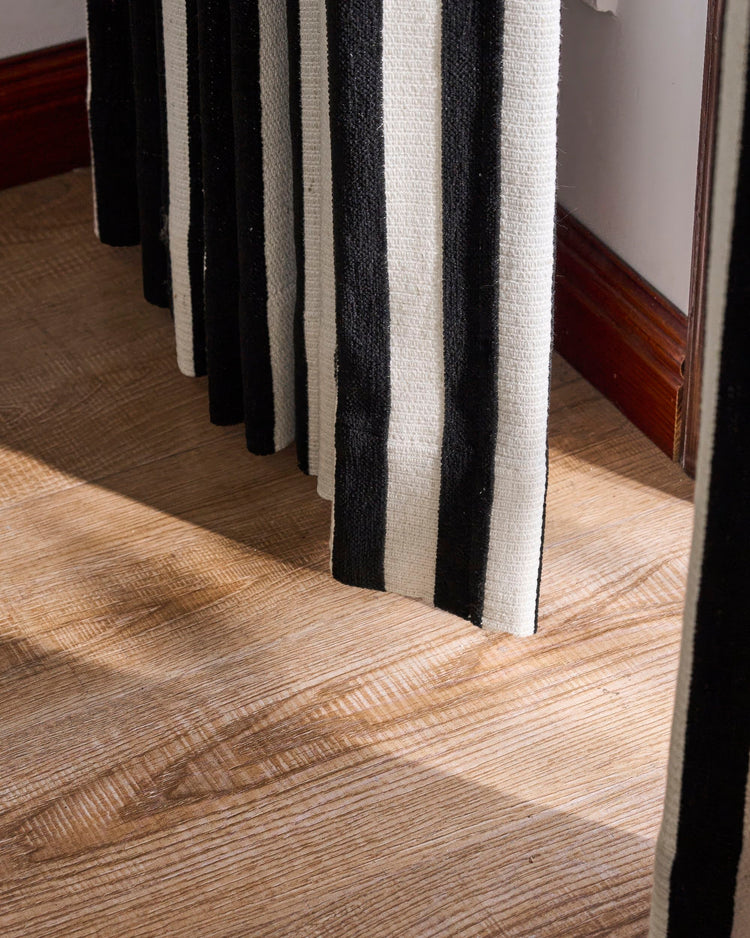
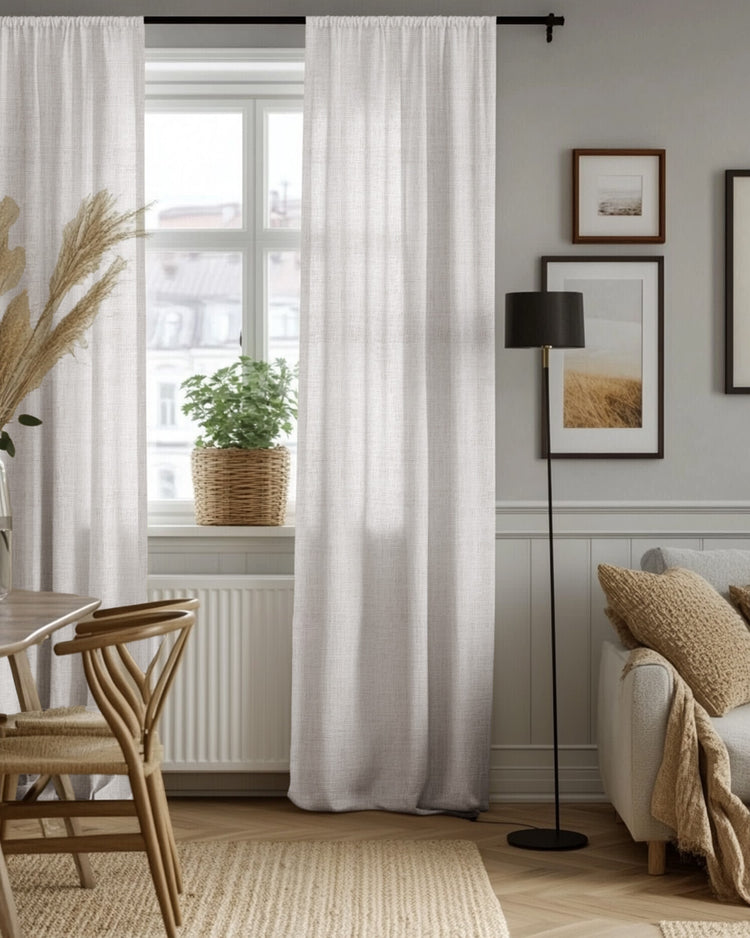
In the bedroom, long patterned panels frame the windows and reinforce the room's vertical lines. Their value is not based on one universal mounting height or fullness ratio. The important point is that the finished length, hardware position, and amount of material were considered together for this room.
For the practical principles behind that look, use Allie's three custom-curtain styling rules rather than copying the cottage's measurements.

Texture and natural light
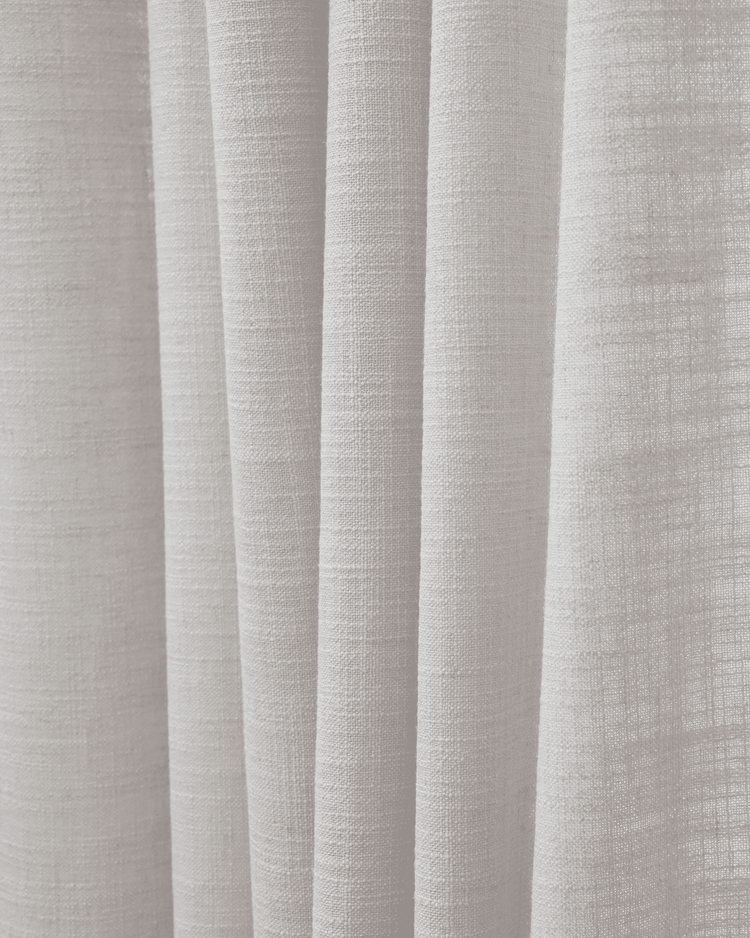
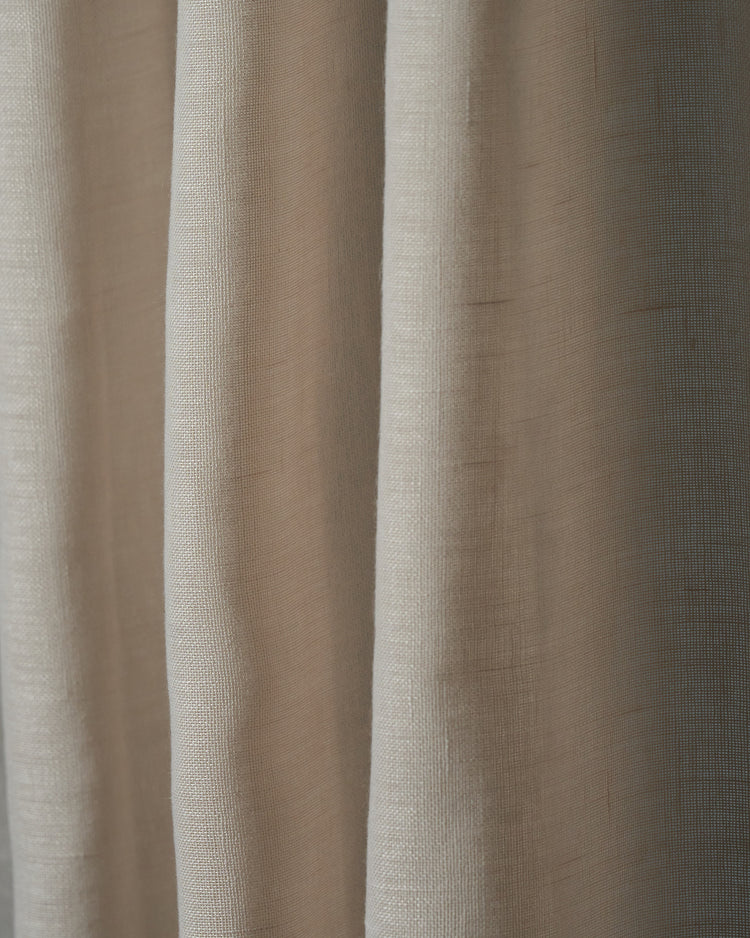
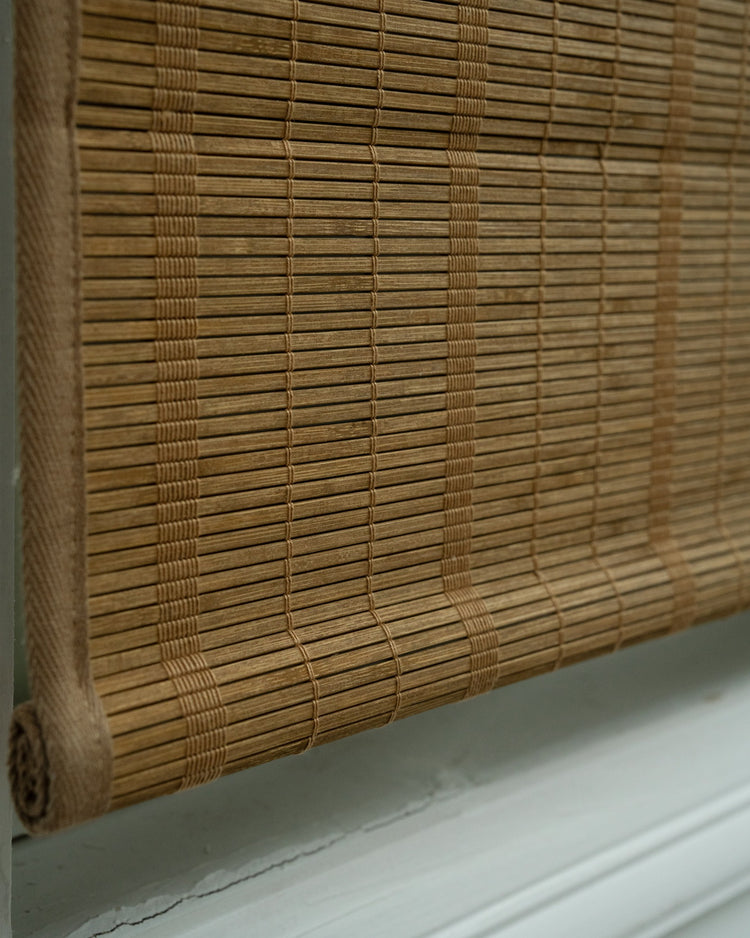
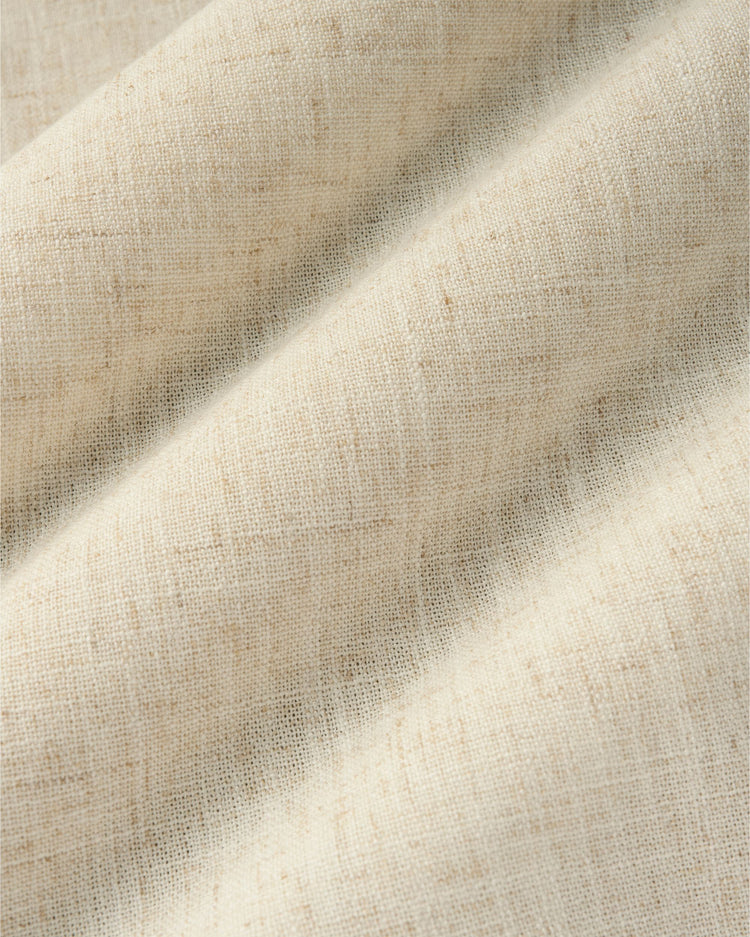
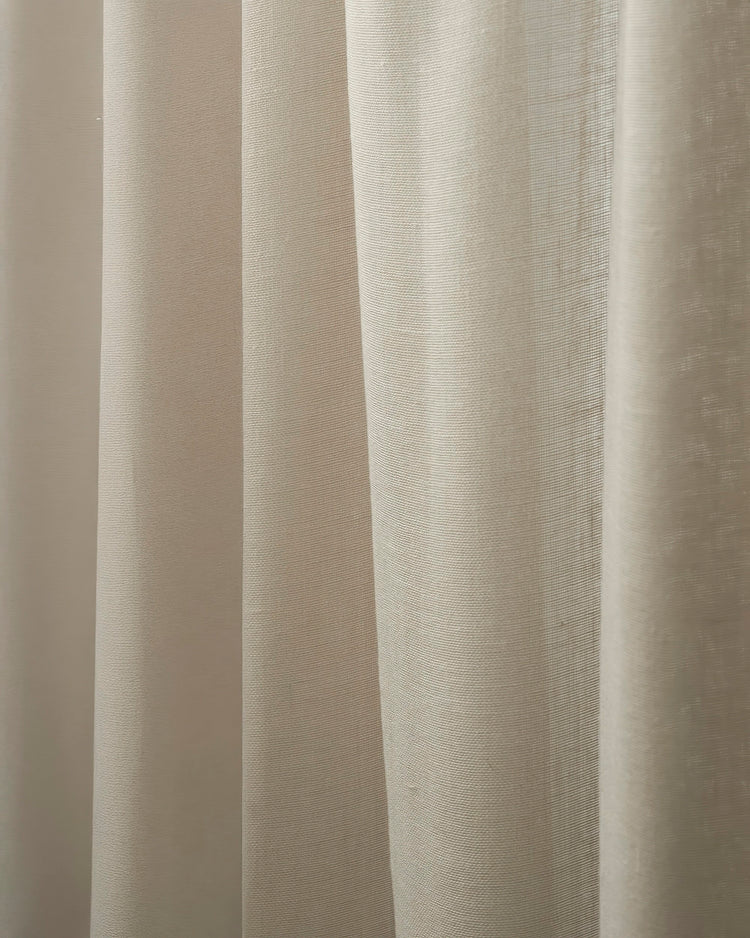
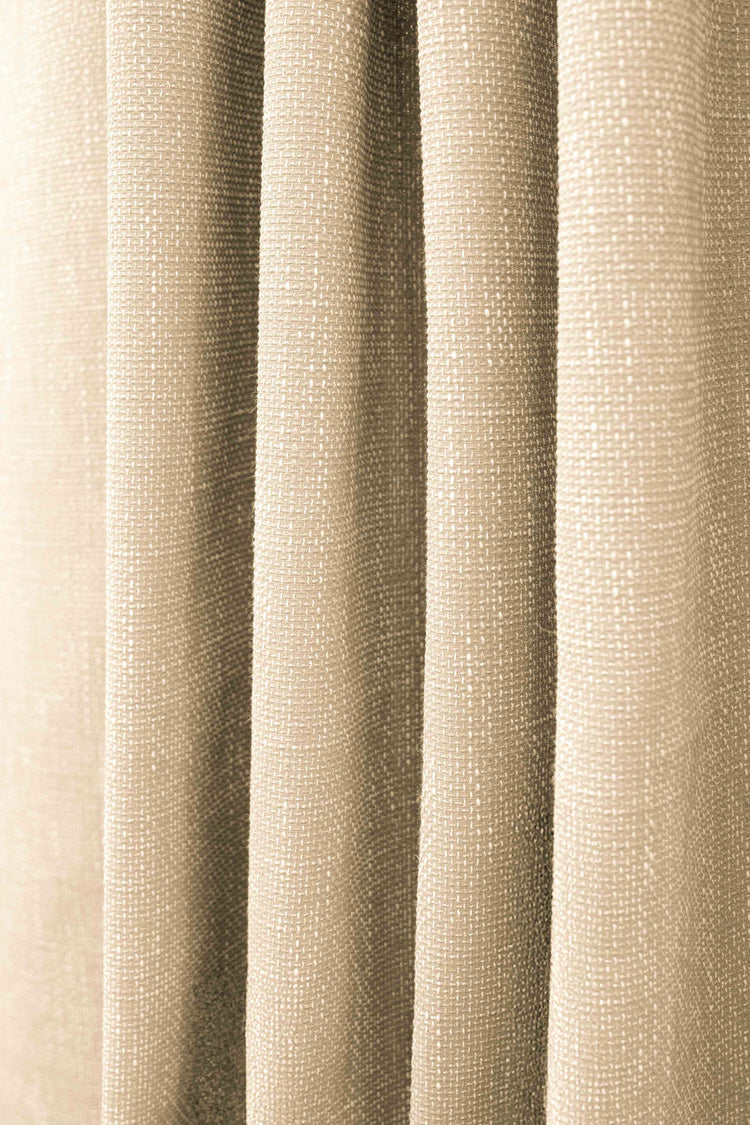
Weight, weave, lining, and surface finish all affect how a window treatment responds to daylight. Fiber content alone does not determine whether a curtain looks refined. Well-made synthetic and blended textiles can offer useful durability, while natural fibers may require more careful maintenance.
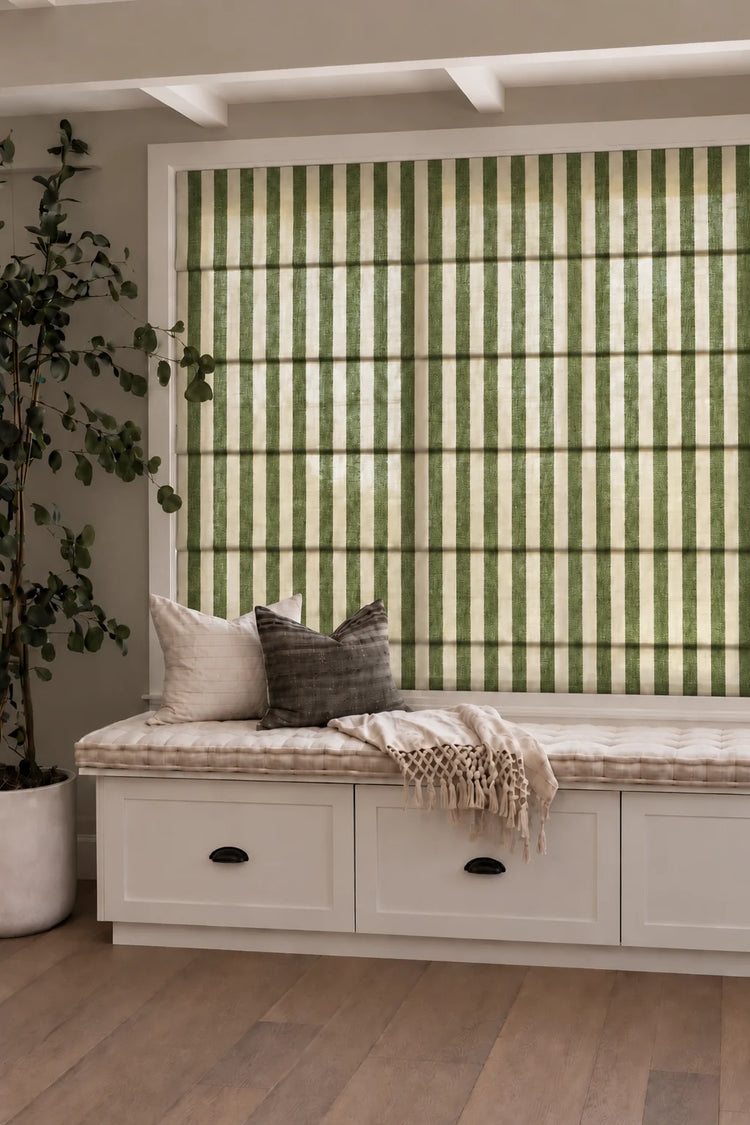
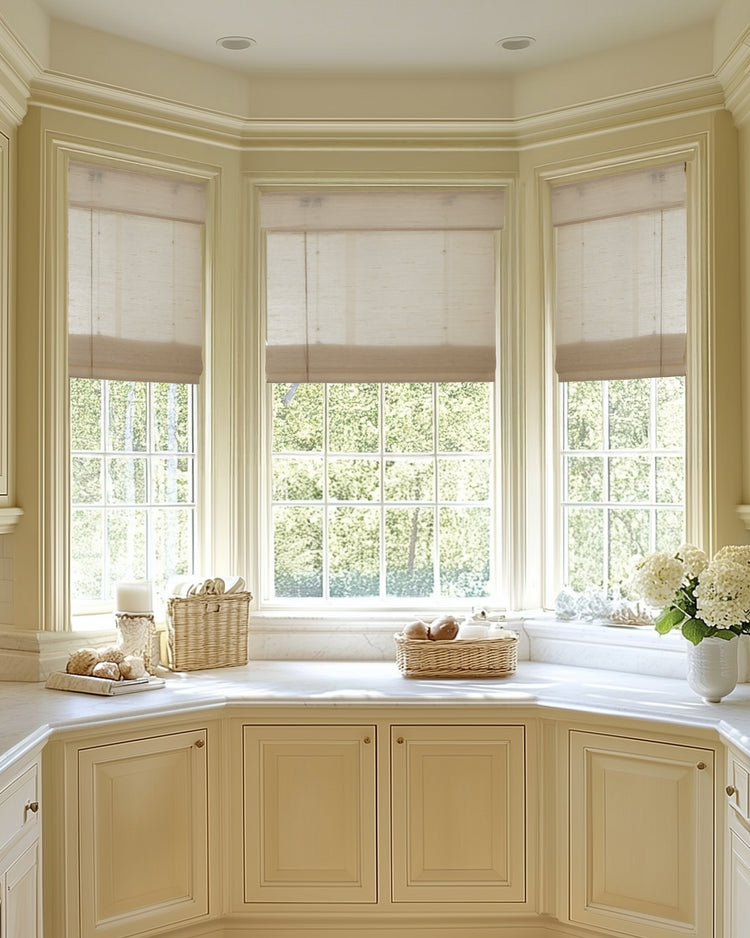
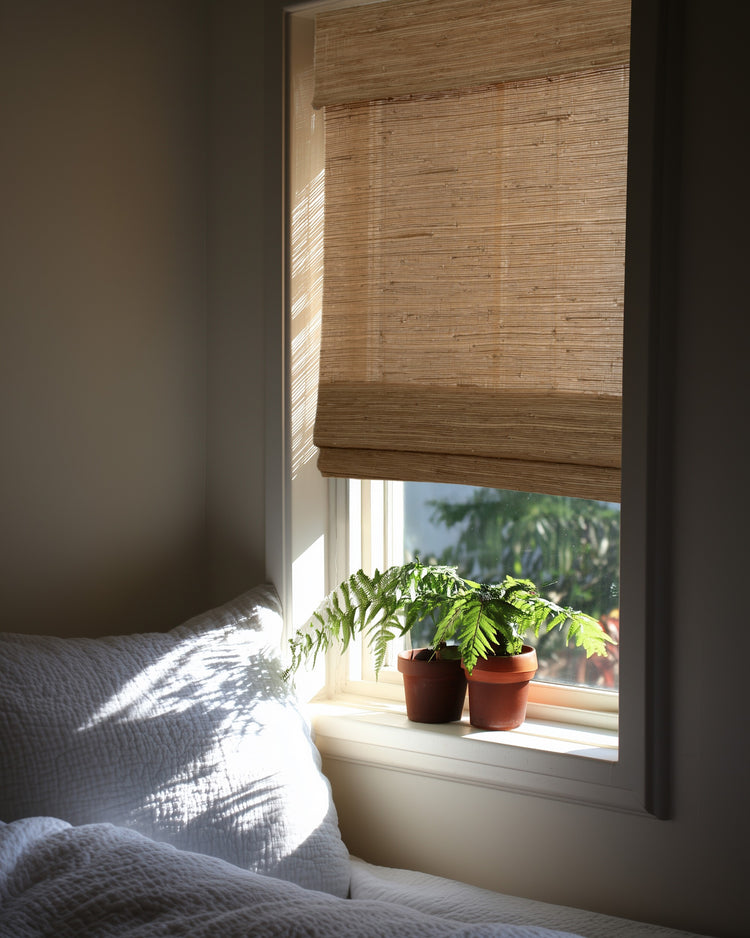
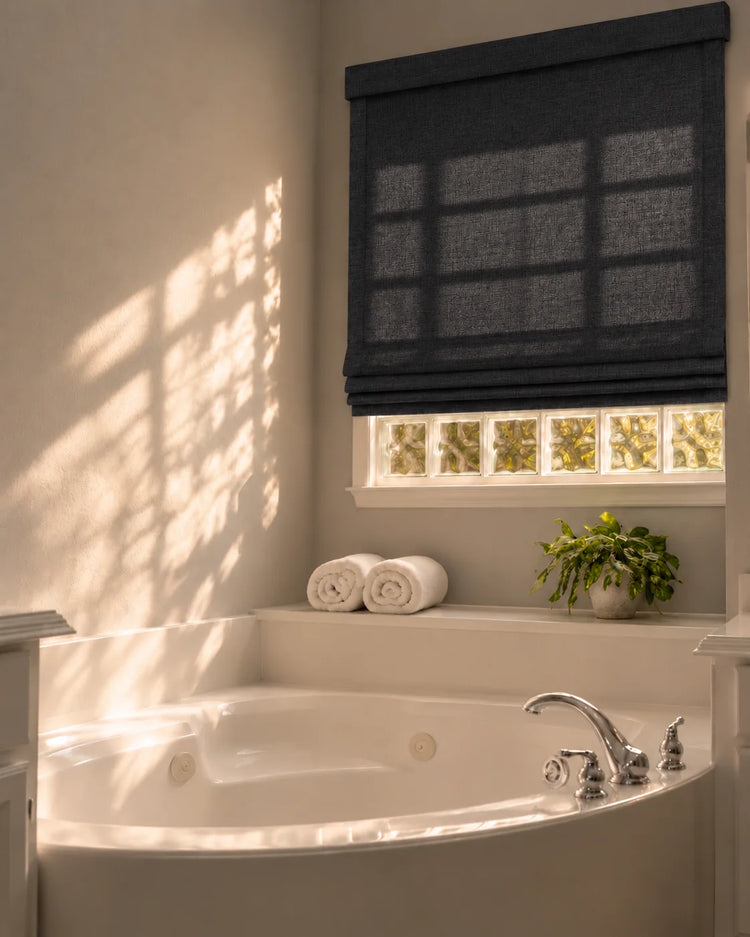
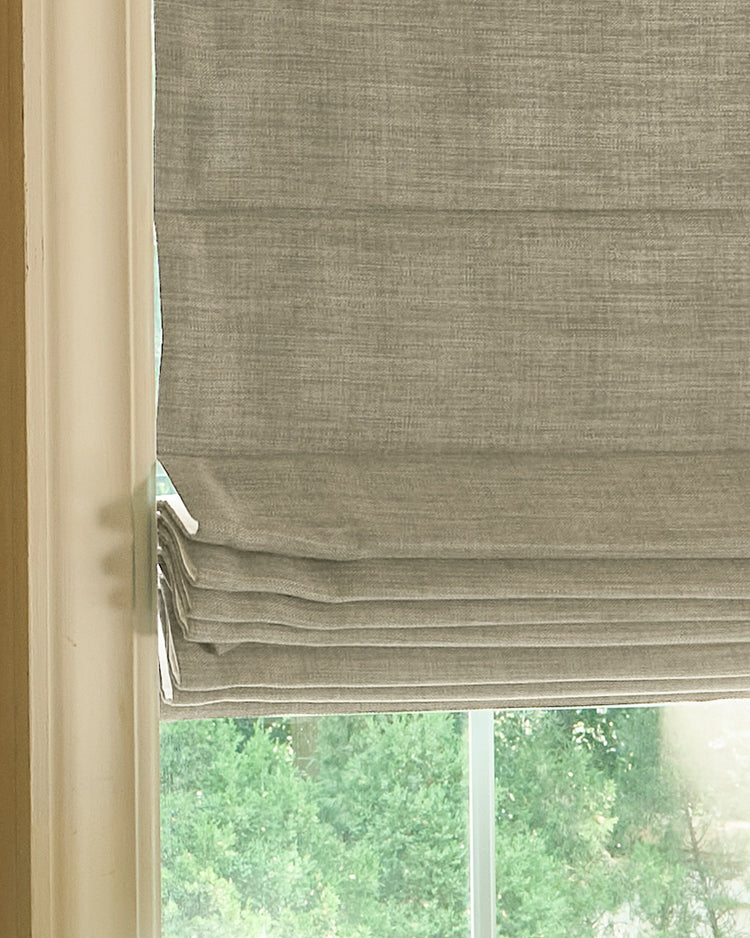
The Roman shades shown in the cottage demonstrate another part of the decision. When raised or lowered, the pattern changes scale and the folds create depth. Visitors can also see how much daylight remains and whether the room still provides the privacy they expect.

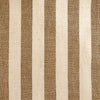
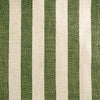
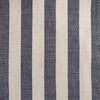
Oat and green in different rooms
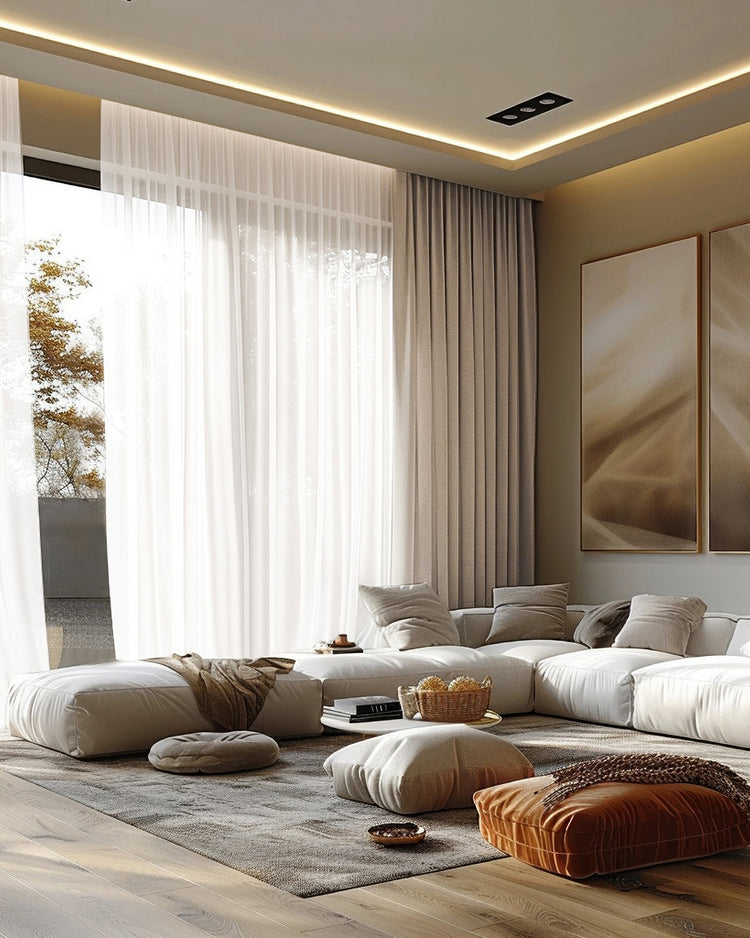
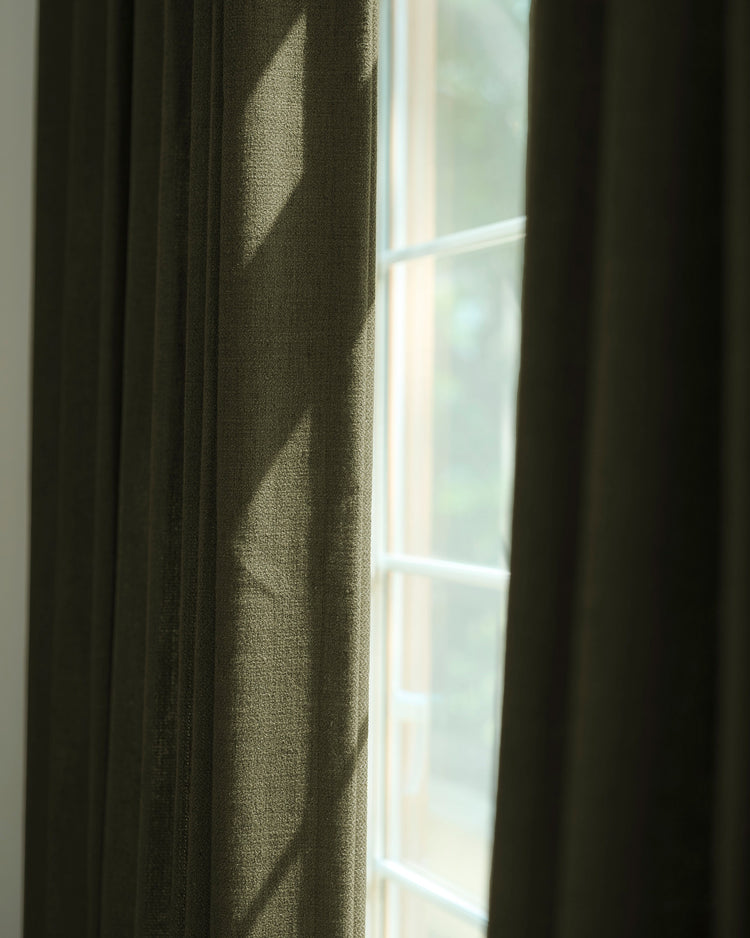
Light neutrals suit gathering spaces where the goal is to preserve an open feeling and work with changing daylight. Deeper greens can make bedrooms, dens, and quieter corners feel more grounded. These are not fixed room rules. Wall color, window direction, flooring, and nearby finishes can change the result.
What Guests Can Take from the Cottage
The most useful lesson is not to reproduce every room exactly. It is to observe design under real conditions before adapting it to another home. Visitors and online readers can use the cottage as a prompt to ask better questions.
- Check a color in morning, afternoon, and evening light.
- Look at texture from across the room and at close range.
- Notice how easily curtains and shades open, close, and maintain privacy.
- Consider cleaning, traffic, children, and other parts of daily use.
- Measure the actual window and hardware instead of copying another room's dimensions.
When planning your own window treatment, refer to the TheHues Curtain Measurement Guide for product-specific measurement instructions.
Experience the TheHues × TheNottingHome Collection
Guilford Cottage gives the collaboration a real setting. It shows how proportion, pattern, color, and light behave together when a home is being lived in rather than photographed for a single moment.
Bring the quiet elegance of Guilford Cottage into your own home.
Frequently Asked Questions
What is Guilford Cottage?
Guilford Cottage is a design-led stay by The Nottinghome. It allows guests to spend time in a fully styled home and observe how its rooms, materials, furniture, and window treatments work under real daily conditions.
What does Stay & Shop mean?
Stay & Shop connects hospitality with home design. Instead of seeing products only in photographs, guests can use and observe selected design elements in a real space before deciding which ideas may suit their own homes. Current shopping details should be checked on the official cottage page.
Who is Allie from The Nottinghome?
Allie is the creator behind The Nottinghome, a lifestyle and home design brand centered on family, creativity, and rooms that feel timeless yet lived-in. Her project history includes renovations in Chicago, Michigan, and the American South.
Can I recreate the cottage's window look at home?
You can use the cottage as inspiration for color, pattern, proportion, and layering. However, curtain length, width, header style, and lining should be selected for your own windows, hardware, privacy needs, and daily routine.